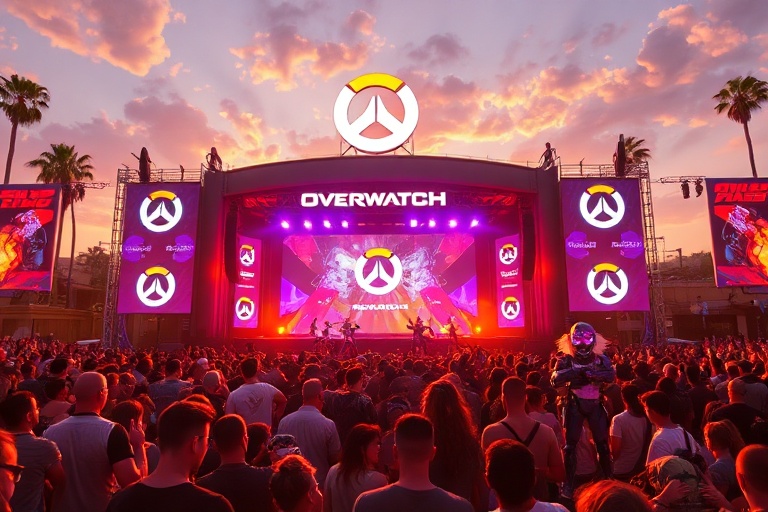
Ten years ago, Blizzard Entertainment redefined the competitive shooter genre with Overwatch. The game’s launch wasn’t just another entry in the crowded field of first-person shooters—it introduced a cast of vibrant heroes, a dynamic world, and a philosophy that prioritized teamwork and creativity over pure mechanical skill. As the franchise celebrates its anniversary, it’s worth examining how Overwatch has shaped gaming culture, influenced esports, and adapted to an ever-changing industry.
The game’s success wasn’t instantaneous. Early skepticism about its cartoonish art style and team-based mechanics gave way to widespread acclaim. Critics praised its accessibility, its emphasis on character-driven gameplay, and its ability to appeal to both casual players and hard-core competitors. Today, Overwatch stands as a testament to Blizzard’s knack for blending polished execution with bold creativity.
The Heroes Who Defined a Generation
Overwatch’s roster of heroes is more than just a collection of characters with unique abilities—it’s a carefully crafted ensemble that reflects diverse playstyles, personalities, and narratives. From the high-flying antics of Tracer to the tactical precision of Reinhardt, each hero offers something distinct. The game’s emphasis on asymmetry meant that no two matches played the same way, fostering a sense of unpredictability that kept players engaged.
But the heroes’ appeal extended beyond gameplay. Blizzard invested in deep lore, cinematic storytelling, and even animated shorts that expanded the universe. Characters like Mercy, Genji, and Widowmaker transcended the game itself, becoming icons in gaming meme culture and esports narratives. The franchise’s ability to humanize its cast—through humor, tragedy, and triumph—helped players form emotional connections that few competitive games have matched.
A Look Back at Iconic Moments
Over the years, Overwatch has delivered countless unforgettable moments, both on and off the battlefield. Here are a few highlights:
- Eichenwalde’s Payload Race (2016): The map’s chaotic final objective became a staple of competitive play, showcasing the game’s blend of strategy and frantic action.
- Numbani’s Grand Finale (2017): The introduction of Sombra in the Numbani update was a cultural moment, revitalizing interest in hacker-themed gameplay.
- GOATS Meta (2018): A dominant strategy involving three tanks and three supports redefined competitive play, sparking debates about balance and innovation.
- Overwatch League’s Inaugural Season (2018): The launch of the OWL marked a bold step toward legitimizing esports as a mainstream spectacle.
- Junker Queen’s Arrival (2022): The first new hero in over a year brought fresh energy to the roster, emphasizing melee combat and aggressive playstyles.
The Evolution of a Competitive Juggernaut
Overwatch didn’t just succeed as a game—it helped redefine what competitive gaming could look like. The Overwatch League (OWL) debuted in 2018 with a $30 million prize pool, a massive budget for production, and a city-based team structure that mirrored traditional sports leagues. While early seasons faced criticism for format inconsistencies, the league’s commitment to innovation kept it relevant.
The game’s esports ecosystem also fostered a thriving amateur and semi-pro scene. Tournaments like the Overwatch Contenders series provided a pathway for aspiring players, while collegiate leagues and grassroots competitions kept the community vibrant. Even as the OWL faced challenges—such as shifting viewership and the COVID-19 pandemic—the game’s competitive spirit endured.
Blizzard’s approach to balance patches and hero updates further cemented Overwatch’s reputation as a dynamic title. Unlike many shooters that stagnate after launch, Overwatch embraced change, regularly introducing new heroes, maps, and mechanics to keep the meta fresh. This willingness to evolve has been a key factor in its longevity.
Cultural Impact Beyond the Game
Overwatch’s influence extends far beyond gameplay. The game’s characters have appeared in collaborations with major brands, from Nike’s limited-edition sneakers to Funko Pop! figurines. Its meme culture—spanning everything from “Enough about me” to “Brigitte rollouts”—has seeped into internet humor, proving that gaming communities can shape broader cultural trends.
The franchise has also been a pioneer in representation. With a diverse cast of heroes hailing from different backgrounds, genders, and identities, Overwatch has been celebrated for its inclusive storytelling. Characters like Tracer (a bisexual woman) and Soldier: 76 (later revealed to be gay) broke new ground in gaming, offering players characters they could see themselves in.
Yet, Overwatch hasn’t been without controversy. Debates over balance, monetization, and the game’s shift to Overwatch 2 have sparked passionate discussions among fans. The sequel’s controversial launch—marked by a controversial monetization model and a divisive narrative direction—highlighted the challenges of evolving a beloved franchise. Despite these hurdles, the community’s passion remains undiminished, proving that Overwatch’s legacy is far from over.
The Road Ahead: What’s Next for Overwatch?
As Overwatch enters its second decade, its future is as uncertain as it is exciting. The transition to Overwatch 2 has been rocky, with mixed reception to its changes. However, the core appeal of the game—its heroes, its humor, and its emphasis on teamwork—remains intact.
Looking ahead, several key developments could shape the franchise’s next chapter:
- Fresh Content: New heroes, maps, and story updates could reignite player interest, especially if they introduce bold mechanics or narrative twists.
- Esports Revival: The OWL’s ongoing evolution—whether through format changes, regional expansions, or new partnerships—will be crucial in maintaining the game’s competitive edge.
- Community Engagement: Blizzard’s ability to listen to player feedback and foster a collaborative relationship with its audience will determine whether Overwatch can regain its former glory.
- Cross-Media Expansion: With rumors of an Overwatch animated series or film in development, the franchise could explore new storytelling avenues beyond the game.
The anniversary serves as a reminder of Overwatch’s impact—not just as a game, but as a cultural force. It challenged conventions, inspired a generation of players, and proved that gaming could be both a competitive sport and a storytelling medium. Whether through Overwatch 2 or future iterations, the heroes of Overwatch are far from retired.
For longtime fans and newcomers alike, the legacy of Overwatch is a celebration of what gaming can achieve when creativity, community, and competition intersect.
For more on the evolution of competitive shooters and esports, visit our News and Analysis sections.