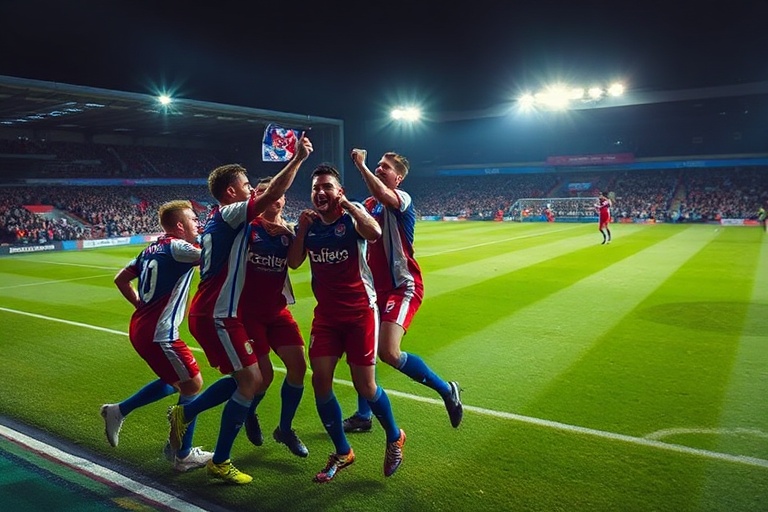
Few football clubs command the same reverence as Rangers Football Club. Established in 1872, the Glasgow-based institution is more than a team—it represents a cultural pillar in Scottish sports, with a history steeped in both glory and adversity. From domestic dominance to European nights, Rangers’ influence extends far beyond the pitch, shaping identities and communities.
The Foundations of Greatness: History and Origins
Founded in 1872 by four brothers from the McNeil family, Rangers began as a modest club with a clear purpose: to uphold excellence on the field. The club’s early years were defined by rapid growth and ambition. By the late 19th century, Rangers had already secured their first Scottish Cup in 1894, signaling the beginning of a dynasty that would span generations. The Ibrox Stadium, their iconic home since 1899, became the fortress where legends were made and history was written.
Rangers’ identity was forged long before modern football’s commercialization. The club’s philosophy centered on discipline, loyalty, and community—a model that resonated deeply with working-class supporters in Glasgow. This connection evolved into a unique bond, one that survives to this day despite financial crises and administrative challenges.
Triumphs and Trophies: A Record of Unmatched Success
Rangers’ trophy cabinet tells a story of unparalleled dominance in Scottish football. With over 55 league titles, more than any other club in the world, Rangers have consistently set the standard for excellence. Their domestic record includes 33 Scottish Cups and 27 Scottish League Cups, forming a triad of domestic honors that few clubs can rival.
European campaigns have also defined Rangers’ legacy. The 1971-72 season remains a crowning achievement: Rangers became the first British club to win a major European competition, lifting the European Cup Winners’ Cup with a 3-2 victory over Dynamo Moscow in Barcelona. This triumph cemented their place among Europe’s elite and introduced a generation of fans to the magic of Ibrox nights.
Despite recent challenges, including the financial and sporting setbacks of the early 2010s, Rangers have demonstrated resilience. Their return to the top flight in 2016 marked not just a sporting recovery but a cultural rebirth—one that reaffirmed their role as Scotland’s premier football institution.
Key Moments in Rangers FC History
- 1872: Club founded by the McNeil brothers in Glasgow.
- 1894: First Scottish Cup victory, setting the tone for future success.
- 1972: European Cup Winners’ Cup win in Barcelona, a historic first for British football.
- 2008: Fifth consecutive league title under Walter Smith, capping a golden era.
- 2021: Return to the Scottish Premiership after overcoming administration; first title in a decade.
The Ibrox Identity: Culture, Community, and Controversy
Rangers’ influence extends beyond trophies. The club’s identity is deeply intertwined with the Protestant working-class communities of Glasgow’s west end. This cultural alignment has shaped traditions, chants, and even political perceptions. Songs like “Follow Follow” and “The Billy Boys” are as much a part of Ibrox as the blue jerseys—though they have also drawn criticism for their sectarian associations.
The club has faced long-standing scrutiny over its historical links to loyalism and its fanbase’s political leanings. While Rangers have taken steps to distance themselves from sectarianism—including educational programs and supporter initiatives—the shadow of the past remains a contentious topic in Scottish football discourse.
Yet, the club’s broader social impact is undeniable. Rangers have consistently supported local charities, youth academies, and community projects. The Rangers Charity Foundation, established in 2011, has raised millions for causes across Scotland, reinforcing the club’s role as a force for positive change.
Modern Era Challenges and the Path Forward
The 2010s brought unprecedented turmoil. Financial mismanagement led to the club entering administration in 2012, resulting in a points deduction and relegation to the fourth tier. The crisis forced a reckoning with governance, ownership, and long-term sustainability. Under the leadership of current chairman John Rothwell and CEO James Bisgrove, Rangers transitioned into a more transparent, commercially focused organization.
Sporting revival followed. After securing promotion in 2016, Rangers re-established themselves in the Premiership, culminating in a league title in 2021 under manager Steven Gerrard. This success signaled a new chapter—one defined by ambition, modern management, and a commitment to rebuilding the club’s global reputation.
Today, Rangers compete not only domestically but in European competitions, aiming to return to the elite stages of the Champions League. Their focus on youth development, through the Rangers Academy, reflects a forward-thinking strategy that balances tradition with innovation.
Rangers FC’s Broader Impact on Scottish Football
Rangers’ dominance has shaped the entire Scottish football landscape. Their rivalry with Celtic—known as the Old Firm—draws global attention and generates significant revenue for the Scottish Premiership. However, it also amplifies debates about the concentration of power in Scottish football and the financial disparities between top clubs and the rest.
The Old Firm derby is more than a match; it’s a cultural event that influences everything from broadcasting rights to sponsorship deals. Yet, it also highlights issues of inequality, with Rangers and Celtic often outpacing other clubs in resources and fan engagement.
Rangers’ global fanbase, estimated in the millions, spans continents. This diaspora is driven by historical migration patterns, particularly to North America and Australia. The club’s international tours and digital presence—including a highly active social media strategy—have strengthened these connections, turning Rangers into a truly global brand with deep local roots.
Conclusion: A Club That Transcends Sport
Rangers Football Club is more than a football team. It is a living institution, a symbol of resilience, and a testament to the enduring power of community. From its founding in 1872 to its modern revival, Rangers have navigated triumph and adversity with a sense of purpose that few clubs can match.
As they rebuild under new leadership and aim for European prominence, Rangers continue to shape not only Scottish football but the cultural fabric of Glasgow and beyond. Their legacy is one of pride, passion, and perseverance—a story that resonates far beyond the final whistle.
For more sports coverage, visit Dave’s Locker Sports or explore deeper analysis at Dave’s Locker Analysis.