Understanding World Cup Groups: Structure and Significance
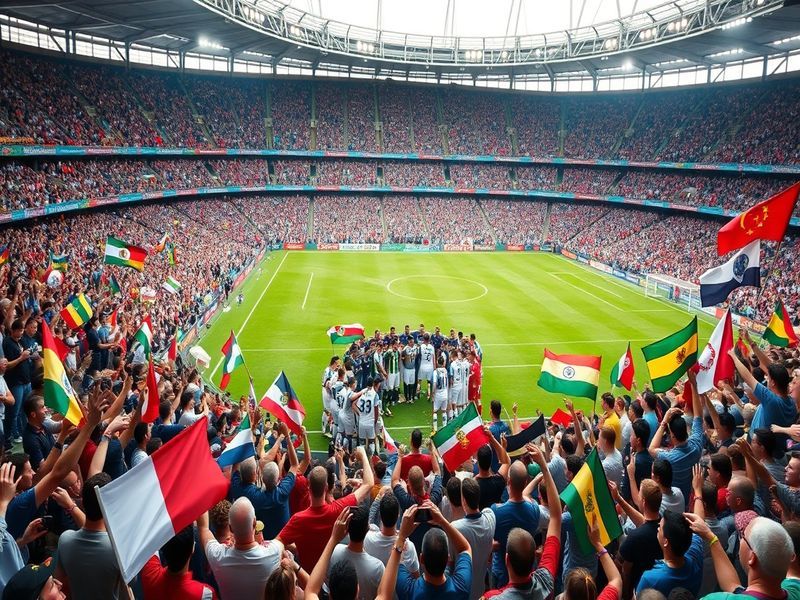
The World Cup is one of the most celebrated sporting events globally, uniting nations through the love of football. Every four years, teams from around the world compete for the prestigious title. The format of the tournament, particularly the grouping stage, plays a crucial role in determining which teams advance. This article delves into the structure of World Cup groups, their implications, and the broader context surrounding them.
The Structure of World Cup Groups
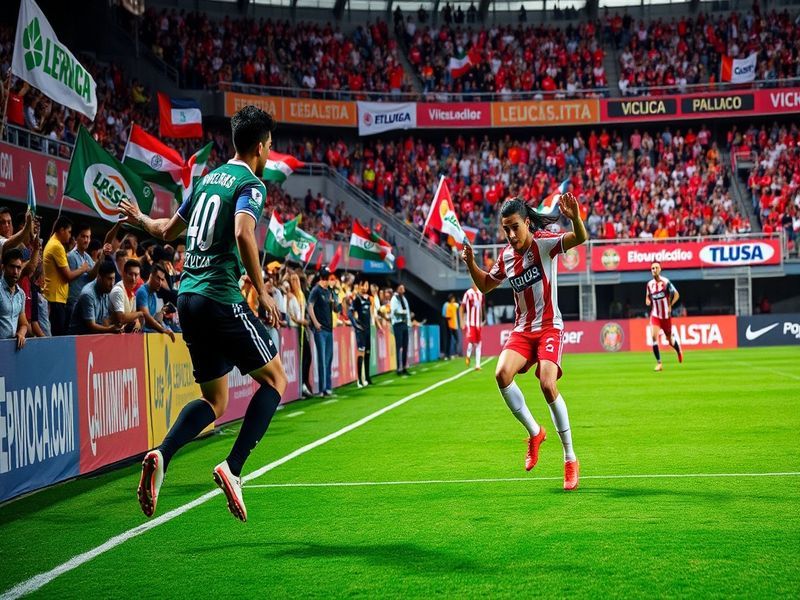
In the FIFA World Cup, teams are divided into groups during the initial stage of the tournament. Typically, there are eight groups, labeled A through H, with each group containing four teams. This structure is designed to create a balance between competitive integrity and excitement. The top two teams from each group proceed to the knockout stage, which heightens the stakes for every match.
Each team plays three matches in the group stage, facing every other team in their group once. Points are awarded based on match outcomes: three points for a win, one point for a draw, and no points for a loss. The teams are ranked within their groups based on total points, goal difference, and goals scored. This ranking system adds a layer of strategy, as teams must consider not only winning but also the scorelines of their matches.
Key Points about World Cup Groups
- Competition Format: The groups are essential in determining the flow of the tournament, setting the stage for dramatic storylines.
- Team Strategy: Coaches and players must develop tactics that consider both their performance and the dynamics of their group.
- Fan Engagement: Group matchups often create rivalries and excitement among fans, leading to increased viewership and engagement.
- Global Representation: The grouping allows for a diverse representation of footballing nations, showcasing different styles and cultures.
The Implications of Group Dynamics
The dynamics within World Cup groups can significantly influence the tournament’s outcome. For instance, a “group of death” refers to a group where multiple strong teams are placed together, making advancement challenging. This scenario not only impacts the teams involved but also shapes the narratives that unfold throughout the tournament.
Moreover, the draw for group placements is a highly anticipated event, often filled with speculation and excitement. The randomness of the draw can lead to surprising matchups, as well as historical rivalries being reignited on the world stage. For example, when teams like Germany and Brazil are placed in the same group, fans can expect thrilling matches steeped in history.
Broader Context and Future Considerations
As we look ahead to future World Cups, the group stage format may continue to evolve. With discussions around expanding the tournament to include more teams, the structure of groups could change significantly. This could lead to a more inclusive tournament, allowing smaller nations to compete on a larger scale.
Additionally, the impact of technology on scouting and analysis is becoming more pronounced. Teams now have access to advanced data analytics that can inform their strategies in group play. This analytical approach not only enhances team performance but also elevates the overall quality of the tournament.
Ultimately, the World Cup groups are more than just a means of organizing matches; they represent the intersection of competition, culture, and global unity. As nations come together to celebrate football, the stories that emerge from these groups will continue to resonate for years to come.
For more insights on sports and analysis, visit our Sports and Analysis categories.