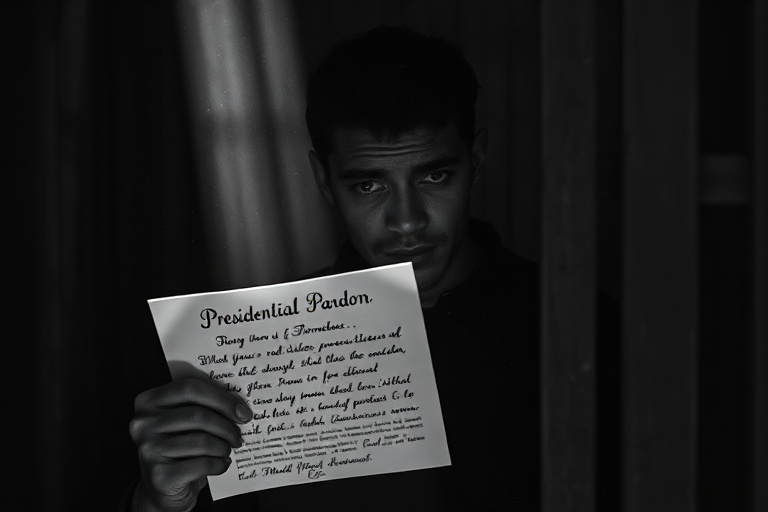
pardon
“`html
Understanding the Power and Limits of a Pardon
The concept of a pardon has long been a cornerstone of legal systems, offering a mechanism to correct perceived injustices or provide relief in extraordinary circumstances. Whether issued by a president, governor, or other high-ranking official, a pardon serves as a formal forgiveness for a crime, effectively absolving the recipient of both the punishment and many of its collateral consequences. Yet, despite its significance, the process and implications of a pardon remain widely misunderstood by the public. This article explores the legal foundations of pardons, their historical role in shaping justice, and the debates surrounding their use.
At its core, a pardon is an act of mercy, distinct from other forms of clemency such as a commutation, which reduces a sentence but does not erase the conviction. Pardons can restore rights—such as voting or holding public office—that may have been forfeited due to a criminal record. The authority to grant pardons varies by jurisdiction. In the United States, for example, the president holds this power under the Constitution, while state governors typically manage pardons at the local level. This decentralized system reflects differing regional values and priorities regarding justice and rehabilitation.
The Legal Framework Behind Pardons
The legal authority to pardon stems from historical traditions rooted in monarchical systems, where rulers could override judicial decisions to demonstrate clemency. In the United States, the framers of the Constitution included the pardon power in Article II, Section 2, granting the president broad discretion. Alexander Hamilton, in The Federalist Papers, argued that this power was essential to correct potential excesses of the judicial branch and to allow for acts of mercy in cases of wrongful conviction or disproportionate punishment.
Pardons are not granted lightly. In most jurisdictions, they follow a formal application process that includes reviews by legal experts, input from prosecutors, and consideration of public safety. The criteria often include evidence of rehabilitation, the nature of the offense, and the passage of time since the conviction. Some pardons have been issued posthumously, as seen in cases where new evidence emerged decades after a conviction. Others have been used to address systemic injustices, such as pardoning individuals convicted under discriminatory laws or policies.
For instance, in 2016, former Texas Governor Greg Abbott issued a posthumous pardon to George Floyd’s great-uncle, a man wrongfully convicted of murder in 1950. The pardon highlighted the racial inequities embedded in the justice system during the Jim Crow era. Such cases underscore how pardons can serve as tools for historical reckoning, though they are often implemented long after the harm occurred.
High-Profile Pardons and Their Impact
The public visibility of pardons often hinges on the prominence of the recipient or the circumstances surrounding the crime. One of the most debated pardons in modern U.S. history was issued by President Donald Trump in 2020, when he pardoned Joe Arpaio, the former sheriff of Maricopa County, Arizona. Arpaio had been convicted of criminal contempt for defying a court order to stop racial profiling practices targeting Latino individuals. The pardon drew criticism from civil rights advocates, who argued it undermined accountability for systemic abuses.
Conversely, pardons have also been used to rectify wrongful convictions. In 2021, President Joe Biden pardoned three people convicted of minor drug offenses under federal law, a symbolic gesture aimed at addressing the disproportionate impact of the war on drugs on marginalized communities. These pardons, while limited in scope, reflected broader efforts to reform sentencing laws and reduce the collateral consequences of nonviolent offenses.
Internationally, pardons have played pivotal roles in transitional justice. After the fall of apartheid in South Africa, the Truth and Reconciliation Commission recommended pardons for those who confessed to human rights violations, prioritizing national healing over punitive measures. Similarly, in Canada, pardons—now referred to as record suspensions—have been used to address the historical mistreatment of Indigenous peoples and other marginalized groups.
These examples illustrate how pardons can serve dual purposes: correcting individual injustices while also addressing systemic failures in the justice system. However, their effectiveness often depends on the transparency of the process and the willingness of authorities to confront uncomfortable truths.
The Controversies and Ethical Dilemmas
Despite their potential for good, pardons frequently spark controversy due to perceptions of favoritism or political manipulation. The power to pardon has been criticized for being too subjective, allowing officials to bypass due process or undermine judicial outcomes. In 2018, President Trump’s pardon of conservative commentator Dinesh D’Souza—convicted of campaign finance violations—raised concerns about whether pardons were being used to reward allies rather than rectify injustices.
Ethically, pardons force a reckoning with questions of fairness and equality. Should pardons be reserved for extraordinary cases, or should they be more routinely applied to address the overcriminalization of certain behaviors? Critics argue that pardons can create a two-tiered system of justice, where the wealthy or well-connected receive preferential treatment. For example, in 2020, wealthy parents involved in the college admissions scandal avoided prison sentences, fueling accusations that their punishments were commuted or pardoned through legal maneuvering rather than genuine clemency.
Another ethical concern is the lack of uniformity in pardon processes. Unlike judicial rulings, pardons are not bound by precedent, leaving them vulnerable to inconsistency. Some states have attempted to formalize the process by establishing pardon boards or independent review panels, but gaps remain. For instance, in states without a structured application process, individuals may lack clear avenues to seek relief, perpetuating disparities in access to justice.
These controversies highlight the need for greater accountability in how pardons are granted. Advocates for reform often call for standardized criteria, public disclosure of pardon decisions, and mechanisms to ensure that the power is not wielded arbitrarily. Without such safeguards, the pardon system risks eroding public trust in institutions of justice.
Looking Ahead: The Future of Pardons
As societies evolve, so too do the conversations surrounding pardons. Modern movements for criminal justice reform have pushed for broader use of pardons to address systemic inequities, particularly in cases involving nonviolent offenses, marijuana convictions, or outdated laws. For example, several states have moved to automatically expunge or pardon low-level cannabis offenses following legalization efforts, reflecting a shift toward restorative rather than punitive justice.
Technology is also transforming how pardons are administered. Digital platforms now allow individuals to submit pardon applications online, streamlining a process that was once cumbersome and opaque. In some jurisdictions, artificial intelligence is being explored to identify candidates for clemency based on objective criteria, such as the severity of the offense or evidence of rehabilitation. While these innovations hold promise, they also raise concerns about bias in automated decision-making.
Looking to the future, the role of pardons may expand beyond individual cases to address collective harms. Climate activists, for instance, have begun advocating for pardons for individuals convicted of civil disobedience related to environmental protests. Similarly, whistleblowers who expose government misconduct often face legal repercussions, sparking debates about whether pardons could serve as a form of protection for those who challenge systemic abuses.
Ultimately, the power of the pardon lies in its ability to balance mercy with justice. It is a tool that can heal, reconcile, and correct, but only when wielded with transparency, consistency, and a commitment to fairness. As public awareness grows, so too does the demand for a system that reflects the values of equity and accountability.
For those interested in exploring further, the News and Analysis sections on Dave’s Locker offer in-depth coverage of legal reforms and high-profile cases that shape the conversation around pardons.
Conclusion
The pardon remains one of the most potent yet contentious tools in the legal arsenal. It is a mechanism that can restore dignity, rectify wrongs, and even redefine justice in the public imagination. Yet its power is matched by its potential for misuse, underscoring the need for vigilance and reform. As societies grapple with the complexities of crime, punishment, and rehabilitation, the pardon will continue to serve as both a mirror and a corrective—a reflection of our highest ideals and our most glaring flaws. By fostering transparency and equity in its application, we can ensure that pardons fulfill their promise as instruments of hope and healing.
—
METADATA
{
“title”: “What Is a Pardon? Understanding Its Role in Justice and Controversy”,
“metaDescription”: “Explore how pardons work, their historical significance, and the ethical debates surrounding their use in the justice system.”,
“categories”: [“News”, “Analysis”],
“tags”: [“presidential pardon”, “executive clemency”, “criminal justice reform”, “wrongful convictions”, “pardons in history”],
“imageDescription”: “A gavel resting on a wooden desk beside a framed presidential pardon document, symbolizing authority and legal authority. The background features an American flag with soft natural lighting, evoking a sense of solemnity and institutional power.”
}
—END METADATA—
“`