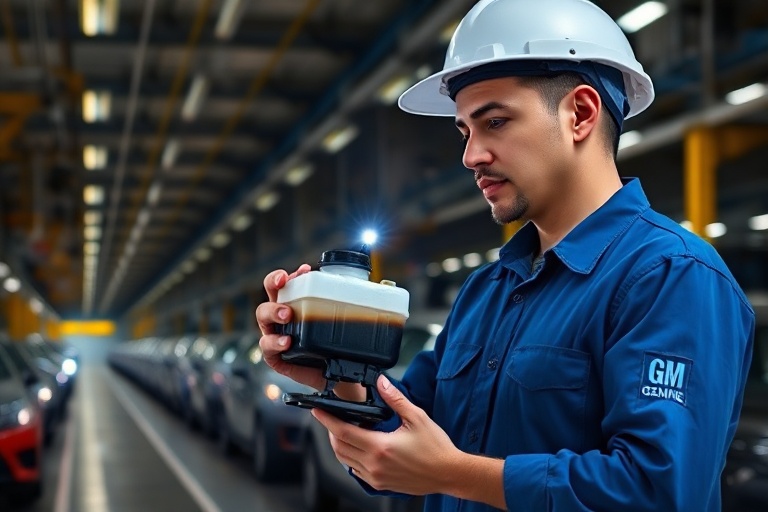
General Motors Issues Brake Fluid Recall Across Multiple Regions
General Motors has initiated a broad recall affecting more than 1.2 million vehicles globally due to concerns over brake fluid contamination. The issue, identified in models produced between 2019 and 2023, stems from a supplier defect that may lead to reduced braking performance over time. While the company has not reported any crashes or injuries directly linked to the problem, the recall underscores the importance of rigorous quality control in the automotive supply chain.
The affected vehicles include popular models such as the Chevrolet Equinox, GMC Terrain, and Cadillac XT4, among others. Owners in North America, Europe, and parts of Asia are advised to check their vehicle identification numbers (VINs) to determine if their cars are part of the recall. This proactive measure reflects GM’s commitment to safety, even as it places a temporary burden on dealerships and customers alike.
The Root Cause: A Supplier’s Misstep
At the center of the recall is a brake fluid supplier whose production facility in Mexico was found to have deviated from GM’s strict specifications. The contaminated fluid, when used over extended periods, can compromise the integrity of brake system components. GM’s engineering teams detected the anomaly during routine testing, prompting an immediate investigation that culminated in the recall announcement on March 15, 2024.
While the supplier remains unnamed in official statements, industry insiders suggest the issue may trace back to a recent shift in raw material sourcing. The global automotive supply chain has faced persistent disruptions since the pandemic, forcing manufacturers to adapt to fluctuating material costs and availability. This incident serves as a reminder of how interconnected the industry remains, even years after the initial supply chain shocks of 2020.
Global Impact and Regional Responses
The recall spans multiple continents, with varying degrees of urgency depending on local regulations. In the United States, the National Highway Traffic Safety Administration (NHTSA) has classified the issue as a “high priority,” urging owners to schedule inspections as soon as possible. Canadian authorities have mirrored this approach, while European regulators are taking a more measured stance, citing the relatively low risk of failure in most operating conditions.
In Asia, where GM has a smaller but growing market presence, the recall has been met with cautious acceptance. Local media outlets have highlighted the recall as part of a broader trend of increasing scrutiny over automotive safety standards. This aligns with a cultural shift in the region, where consumers are becoming more vocal about vehicle reliability and manufacturer accountability.
Owners in the following countries are particularly affected:
- United States (estimated 800,000 vehicles)
- Canada (approximately 150,000 vehicles)
- Mexico (around 100,000 vehicles)
- Selected European markets (Germany, France, UK – totaling 120,000 vehicles)
- South Korea (50,000 vehicles)
What Owners Need to Do Next
GM has established a dedicated portal on its official website where owners can enter their VINs to check recall status. Dealerships are equipped to perform free inspections and replace the contaminated fluid within 24 hours. The company has also dispatched direct mail notifications to registered owners, though response rates remain a concern in regions with lower vehicle registration compliance.
For those hesitant to visit dealerships, mobile service units are being deployed in high-density urban areas. This strategy aims to reduce wait times and alleviate logistical challenges, particularly in densely populated cities where access to service centers can be limited. However, rural owners may face longer delays, prompting concerns about uneven recall execution.
In a related development, GM has partnered with aftermarket parts suppliers to ensure an adequate supply of compliant brake fluid. This collaboration highlights the company’s efforts to balance immediate safety concerns with long-term supply chain resilience. For more insights on automotive safety standards, visit our Automotive section.
Industry-Wide Implications
The recall arrives at a time when automakers worldwide are under pressure to meet increasingly stringent emissions and safety regulations. GM’s proactive stance may serve as a benchmark for competitors, particularly as electric vehicle (EV) adoption accelerates. Brake systems in EVs often operate under higher thermal loads, making fluid integrity even more critical.
Analysts suggest this incident could accelerate calls for standardized global recall protocols. Currently, automakers navigate a patchwork of regional regulations, which can delay critical safety actions. A unified approach would not only streamline recalls but also enhance consumer trust—a commodity that has eroded in recent years due to high-profile automotive scandals.
The broader automotive industry is watching closely. If GM’s response proves effective, it may set a new precedent for crisis management in the sector. Conversely, any missteps could further damage public perception, particularly among younger consumers who prioritize transparency and accountability in their purchasing decisions.
Conclusion: A Call for Vigilance and Collaboration
The General Motors brake fluid recall serves as a stark reminder of the vulnerabilities in modern automotive supply chains. While the immediate risk to drivers appears manageable, the incident exposes deeper issues in quality control and regulatory oversight. For GM, the challenge now lies in restoring confidence among its customer base while reinforcing its commitment to safety.
As the automotive industry continues to evolve, collaboration between manufacturers, suppliers, and regulators will be essential. Only through shared responsibility can the sector rebuild trust and ensure that safety remains the top priority. Owners of affected vehicles are encouraged to act promptly, while industry stakeholders must take this opportunity to strengthen their own protocols.
For ongoing coverage of automotive safety and industry trends, stay tuned to Dave’s Locker.