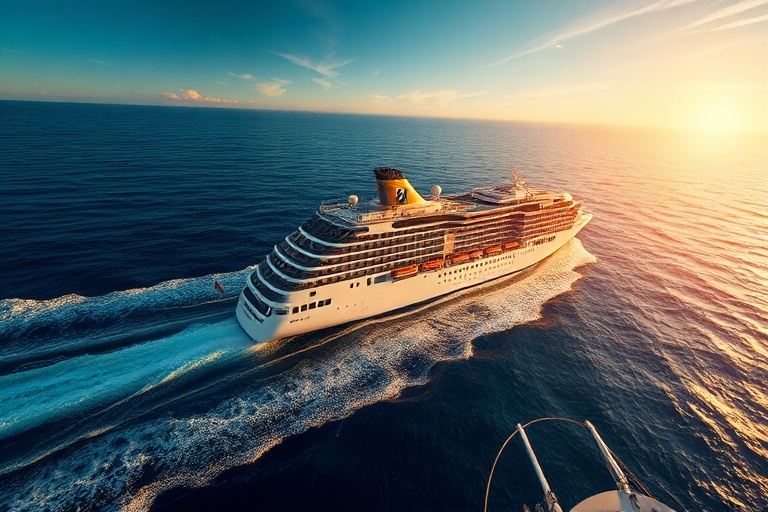
P&O Cruise Line: History, Innovation, and Future of Ocean Travel
“`html
P&O Cruise: A Legacy of Luxury and Innovation on the High Seas
For over 180 years, P&O Cruises has stood as a pillar of maritime excellence, blending tradition with cutting-edge innovation to redefine ocean travel. As one of the oldest cruise lines in the world, it has consistently evolved while maintaining a reputation for delivering unforgettable experiences. From its origins as a mail and passenger service to its current status as a leader in modern cruising, P&O has adapted to changing times without losing sight of what makes it special.
The Evolution of P&O Cruises: From Pioneers to Modern Innovators
P&O Cruises traces its roots back to 1837, when the Peninsular and Oriental Steam Navigation Company was founded to transport mail and passengers between England and the Iberian Peninsula. By the mid-19th century, the company had expanded its routes to include destinations as far as Australia, cementing its place in maritime history. The 20th century brought significant milestones, including the launch of the Canberra in 1961, a ship that became synonymous with transatlantic luxury.
The late 20th and early 21st centuries marked a turning point for P&O Cruises. The company embraced modern design and technology, introducing ships like the Oriana in 1995 and the Aurora in 2000. These vessels combined classic elegance with contemporary amenities, appealing to both seasoned travelers and new cruisers. Today, P&O operates a fleet of six ships, each offering a unique blend of British heritage and global sophistication.
The introduction of the Iona in 2020 and the Arvia in 2022 further demonstrated P&O’s commitment to sustainability and innovation. These ships feature advanced environmental technologies, such as LNG (liquefied natural gas) propulsion, reducing emissions and setting new standards for the industry. P&O’s ability to balance tradition with progress has ensured its continued relevance in an increasingly competitive cruise market.
What Sets P&O Cruises Apart? Key Features and Experiences
P&O Cruises distinguishes itself through a combination of signature experiences, world-class service, and diverse itineraries. Whether sailing to the Mediterranean, Northern Europe, or the Caribbean, the cruise line offers something for every type of traveler. Below are some of the standout features that define the P&O experience:
- British Hospitality: P&O maintains a distinctly British atmosphere, from its afternoon tea rituals to its attentive crew. This cultural touchpoint resonates with travelers seeking a familiar yet exotic experience.
- Inclusive Dining: Unlike many cruise lines, P&O includes all dining options in its fares, from casual buffets to specialty restaurants. This approach ensures guests can indulge without worrying about additional costs.
- Family-Friendly Itineraries: With dedicated children’s clubs, teen lounges, and family-friendly entertainment, P&O appeals to multigenerational travelers. Destinations like the Canary Islands and Norway are particularly popular with families.
- Live Entertainment: From West End-style shows to live music and comedy, P&O’s onboard performances are a highlight. The cruise line often features partnerships with top talent, ensuring high-quality productions.
- Exclusive Ports of Call: P&O’s itineraries often include lesser-known but stunning destinations, such as the Scottish Isles, Iceland, and the Adriatic coast. This focus on unique ports differentiates it from mass-market competitors.
The cruise line’s commitment to inclusivity extends to its accommodations, with options ranging from budget-friendly inside cabins to lavish suites with private balconies. This variety ensures that P&O can cater to both first-time cruisers and seasoned travelers seeking luxury.
“P&O Cruises has mastered the art of blending tradition with innovation, creating an experience that feels both timeless and fresh. Whether you’re sipping tea in the Conservatory or exploring a remote fjord, the journey feels uniquely yours.”
The Broader Impact of P&O Cruises on the Travel Industry
P&O Cruises has not only shaped the cruise industry but has also influenced broader trends in travel and tourism. Its emphasis on sustainability, for instance, reflects a growing consumer demand for eco-friendly vacations. The introduction of LNG-powered ships aligns with global efforts to reduce carbon footprints, setting a precedent for other cruise lines.
The company’s focus on itineraries that emphasize cultural immersion and off-the-beaten-path destinations has also impacted how travelers perceive cruise vacations. While mass-market cruises often prioritize quantity over quality, P&O’s approach encourages exploration and connection with local communities. This shift has contributed to a broader trend of “experiential cruising,” where travelers seek meaningful experiences over sheer entertainment.
Financially, P&O Cruises plays a significant role in the economies of the destinations it visits. Ports like Barcelona, Rome, and Dubai benefit from the influx of tourists, while local businesses—from restaurants to tour operators—thrive on cruise-related commerce. However, the company also faces challenges, particularly in balancing growth with environmental responsibility. Cruise tourism’s environmental impact, including carbon emissions and marine pollution, has come under scrutiny in recent years. P&O’s adoption of greener technologies is a step in the right direction, but the industry as a whole must continue innovating to address these concerns.
Another area where P&O influences the broader travel landscape is through its partnerships with tour operators and excursion providers. By curating high-quality shore excursions, the cruise line enhances the value of its itineraries, encouraging travelers to spend more time and money in destinations. This model not only benefits local economies but also strengthens P&O’s reputation as a premium cruise operator.
The Future of P&O Cruises: What’s Next for the Iconic Brand?
As P&O Cruises looks to the future, several trends and challenges will shape its trajectory. One of the most pressing is the demand for sustainability. The cruise industry is under increasing pressure to reduce its environmental impact, and P&O’s investment in LNG ships is a proactive step. However, the company may need to explore even more innovative solutions, such as hydrogen fuel or advanced waste management systems, to stay ahead of regulatory changes and consumer expectations.
Another key focus will be adapting to the evolving preferences of modern travelers. The COVID-19 pandemic accelerated shifts in consumer behavior, with a growing emphasis on health, safety, and flexibility. P&O has already implemented enhanced health protocols and flexible booking policies, but it must continue refining its offerings to meet these new expectations. For example, the rise of “bleisure” travel—combining business and leisure trips—could lead to more hybrid itineraries that cater to remote workers and digital nomads.
Technological advancements will also play a crucial role in P&O’s future. From virtual reality tours of destinations to AI-driven personalized itineraries, technology can enhance the cruising experience while streamlining operations. P&O has already embraced digital innovations, such as its user-friendly app for booking excursions and managing onboard accounts. Expanding these digital offerings could further differentiate P&O in a crowded market.
Finally, P&O must navigate the competitive landscape of the cruise industry. While it remains a leader in the British market, it faces stiff competition from global giants like Royal Caribbean and Norwegian Cruise Line. To maintain its edge, P&O should continue leveraging its unique strengths—its heritage, British identity, and commitment to quality—while staying agile in response to market trends.