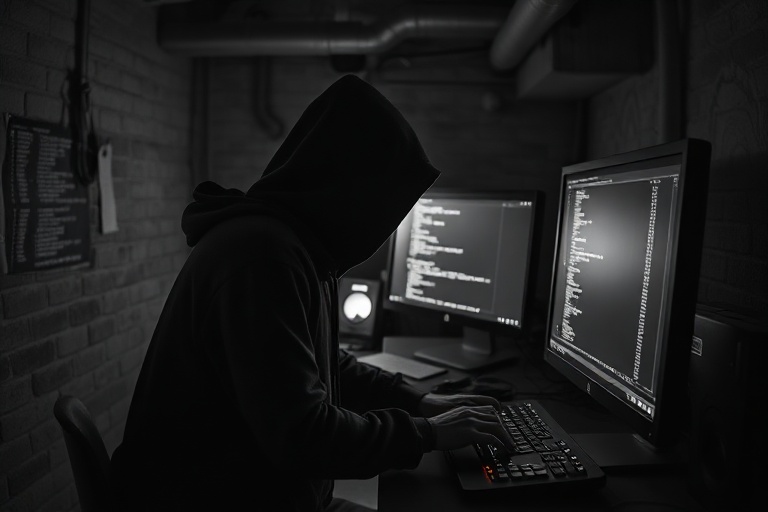
The landscape of cyber warfare has shifted dramatically over the past two decades, with Russian hacking groups emerging as some of the most persistent and sophisticated threats on the digital frontier. These actors operate with a blend of state sponsorship, ideological motivation, and financial incentives, making them a multifaceted challenge for governments, corporations, and individuals alike. Their activities span from espionage and disinformation campaigns to ransomware attacks and critical infrastructure sabotage, demonstrating a level of adaptability that keeps cybersecurity experts in a constant state of vigilance.
What makes Russian hacking groups particularly dangerous is their ability to blend into the digital noise. Unlike high-profile attacks that leave obvious fingerprints, many Russian operations are designed to be deniable. This allows state actors to maintain plausible deniability while still advancing geopolitical objectives. The groups often leverage proxies—including criminal syndicates and hacktivists—to carry out attacks, further complicating attribution. The result is a cyber threat ecosystem that is as murky as it is formidable.
The Anatomy of Russian Hacking Groups
Russian cyber operations are not monolithic; they encompass a diverse array of groups, each with distinct objectives, methodologies, and levels of state involvement. Understanding these groups requires parsing their origins, affiliations, and targets. At the highest level, Russian hacking entities can be divided into three broad categories: state-sponsored agencies, quasi-independent hacktivists, and cybercriminal organizations with loose ties to the Kremlin.
State-sponsored groups are the most direct extension of Russian cyber capabilities. The most prominent of these is APT29 (Cozy Bear), a hacking collective linked to Russia’s Foreign Intelligence Service (SVR). APT29 gained global notoriety for its involvement in the 2016 Democratic National Committee breach, a campaign that exposed sensitive communications and influenced the U.S. presidential election. Unlike many cybercriminal groups, APT29 prioritizes stealth and long-term access, often lurking in compromised networks for months or even years before executing their objectives.
Quasi-independent hacktivists, such as the group behind the 2015 and 2016 attacks on Ukraine’s power grid, operate with a degree of autonomy but align their actions with Russian strategic interests. These groups often emerge in response to geopolitical events, such as the annexation of Crimea or Russia’s invasion of Ukraine in 2022. Their attacks—ranging from website defacements to disruptive malware—serve as digital proxies for Russian state objectives, providing deniability while inflicting real-world damage.
Cybercriminal organizations with ties to Russia represent another layer of the threat. Groups like Conti and REvil have dominated the ransomware landscape, extorting millions from businesses and critical infrastructure providers. While these groups operate primarily for profit, their activities often align with Russian interests. In some cases, they have been observed avoiding targets in former Soviet states, a tacit acknowledgment of unwritten rules in the Russian cyber underworld. The Russian government’s tolerance—or even encouragement—of these groups underscores the blurred line between state and non-state cyber actors in Russia.
Notable Attacks and Their Geopolitical Impact
The history of Russian cyber operations is marked by a series of high-profile attacks that have reshaped global cybersecurity policies and strained international relations. These incidents are not isolated events but part of a broader strategy to project power, disrupt adversaries, and shape narratives in the digital domain. Below are some of the most consequential attacks attributed to Russian hacking groups, along with their far-reaching implications.
-
2015 and 2016 Ukraine Power Grid Attacks:
In December 2015, a cyberattack on Ukraine’s power grid left hundreds of thousands of people without electricity for several hours. The attack, attributed to Russian hackers, was the first confirmed instance of a cyber operation causing a blackout. A year later, a similar attack targeted Kiev’s power infrastructure again, this time using the Industroyer malware—a sophisticated tool designed to manipulate industrial control systems. These attacks demonstrated Russia’s ability to weaponize cyber capabilities in a real-world conflict, setting a precedent for future operations in Ukraine and beyond.
-
2016 Democratic National Committee Breach:
The breach of the DNC’s email servers in 2016 revealed internal communications that included damaging revelations about the Democratic Party’s favoritism toward Hillary Clinton during the presidential primaries. The attack, attributed to APT29 and APT28 (Fancy Bear), was later linked to Russian military intelligence (GRU). The leaked emails were weaponized through platforms like WikiLeaks, amplifying their impact and contributing to a narrative that influenced the U.S. election. The incident sparked investigations into Russian interference and led to sanctions against Russian entities.
-
2017 NotPetya Ransomware Attack:
Initially disguised as a ransomware attack, NotPetya was later revealed to be a wiper malware designed to destroy data rather than extort money. The attack, attributed to Russia’s GRU, targeted Ukraine but quickly spread globally, causing an estimated $10 billion in damages. Major corporations, including Maersk, Merck, and FedEx, were crippled by the attack, which exploited vulnerabilities in widely used software like M.E.Doc, a tax accounting program popular in Ukraine. NotPetya underscored the indiscriminate nature of Russian cyber operations and their potential to cause collateral damage far beyond intended targets.
-
2020 SolarWinds Supply Chain Attack:
One of the most sophisticated cyber espionage campaigns in history, the SolarWinds attack involved compromising the software build process of SolarWinds’ Orion platform. The malware, attributed to APT29, was distributed to thousands of SolarWinds customers, including U.S. government agencies and Fortune 500 companies. The breach went undetected for months, allowing Russian hackers to siphon sensitive data from high-value targets. The operation highlighted the vulnerabilities of global supply chains and prompted a reevaluation of cybersecurity practices across industries.
Motivations and Strategic Objectives
Russian hacking operations are not driven by a single motive but rather a complex interplay of geopolitical strategy, ideological alignment, and financial gain. At the core of these activities is the Kremlin’s desire to project power and influence in a world where traditional military dominance is increasingly costly and risky. Cyber operations offer a low-cost, high-impact alternative to conventional warfare, allowing Russia to achieve strategic objectives without direct confrontation.
One of the primary motivations behind Russian cyber operations is espionage. State-sponsored groups like APT29 and APT28 focus on gathering intelligence from adversarial governments, military organizations, and critical infrastructure providers. The SolarWinds attack, for example, was not designed to cause immediate damage but to establish long-term access to sensitive systems. This approach aligns with Russia’s broader strategy of asymmetric warfare, where information dominance is as critical as military strength.
Disinformation and influence operations represent another key objective. Russian hackers and their proxies have been linked to campaigns aimed at sowing discord in Western democracies, amplifying social divisions, and undermining trust in institutions. The Internet Research Agency (IRA), a St. Petersburg-based troll farm, played a central role in these efforts, using social media platforms to spread propaganda and manipulate public opinion. While the IRA’s activities are distinct from traditional hacking, they complement cyber operations by creating an environment of confusion and mistrust.
Economic disruption is also a significant driver of Russian cyber activities. Attacks like NotPetya and the 2017 WannaCry ransomware (which was linked to North Korea but inspired by Russian tactics) demonstrate how cyber operations can inflict economic damage on adversaries. These attacks are often indiscriminate, affecting businesses and infrastructure across multiple countries. For Russia, economic disruption serves as a form of coercive diplomacy, pressuring adversaries to comply with Russian demands or face continued cyber onslaughts.
Financial incentives play a role in the activities of cybercriminal groups with ties to Russia. Ransomware attacks, in particular, have become a lucrative enterprise, with groups like Conti and REvil extorting millions from victims. While these groups operate independently, their activities often align with Russian state interests. The Russian government’s tacit approval of these groups—provided they avoid targeting domestic or allied entities—creates a symbiotic relationship that benefits both parties.
The Future of Russian Cyber Threats
The evolution of Russian cyber operations shows no signs of slowing down. As technology advances and geopolitical tensions rise, these groups are likely to become even more sophisticated, adaptive, and dangerous. Several trends are shaping the future of Russian cyber threats, each with significant implications for global cybersecurity.
Artificial Intelligence and Automation: Russian hackers are increasingly leveraging AI and machine learning to enhance their operations. AI can be used to automate reconnaissance, identify vulnerabilities, and craft convincing phishing emails. In 2023, reports emerged of Russian APT groups using AI-driven tools to improve the efficiency of their attacks. As AI becomes more accessible, it is likely that these capabilities will become standard across Russian cyber operations, reducing the need for human involvement and increasing the speed of attacks.
Quantum Computing: While still in its early stages, quantum computing poses a long-term threat to cybersecurity. Russian scientists and state-sponsored groups are investing heavily in quantum research, which could eventually render current encryption methods obsolete. A quantum-powered cyberattack could decrypt sensitive communications, disrupt critical infrastructure, and grant adversaries unprecedented access to secure systems. The U.S. and its allies are racing to develop quantum-resistant encryption, but the window of vulnerability remains a concern.
Hybrid Warfare: The integration of cyber operations with other forms of warfare—such as conventional military actions, disinformation campaigns, and economic sanctions—will continue to define Russian strategy. The invasion of Ukraine has demonstrated how cyber and kinetic operations can complement each other, with hacking groups targeting communications, power grids, and logistics networks alongside traditional military units. This hybrid approach blurs the line between war and peace, making it difficult for adversaries to respond effectively.
Escalation of Critical Infrastructure Attacks: As Russia faces setbacks in conventional warfare, its reliance on cyber operations to achieve strategic objectives is likely