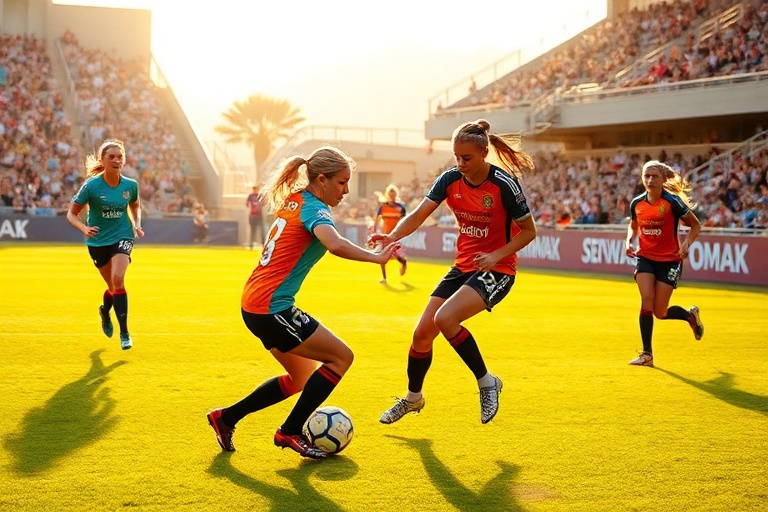
San Diego Wave and Houston Dash Clash in NWSL Showdown
The National Women’s Soccer League (NWSL) continues to captivate audiences with its blend of athleticism, strategy, and rising stars. Among the league’s most compelling matchups is the rivalry between the San Diego Wave and the Houston Dash. These two teams, each with distinct identities and ambitions, offer a fascinating contrast in playing styles, fan culture, and regional pride.
The Wave, founded in 2021, quickly established itself as a contender, drawing from the vibrant soccer community of Southern California. Houston’s Dash, meanwhile, has been a mainstay since the NWSL’s inception in 2013, representing the energy of Texas with a mix of veteran leadership and emerging talent. When these teams meet, the result is often a high-stakes battle that reflects broader trends in women’s soccer.
The Rise of San Diego Wave
The San Diego Wave entered the NWSL as an expansion team with high expectations. Backed by a passionate fan base and strong ownership, the Wave wasted no time making their mark. In their debut season, they secured a playoff spot, a testament to their balanced approach—combining defensive solidity with creative attacking play.
Central to their success has been the influence of coach Casey Stoney, a former England international who brought tactical discipline and a player-first philosophy. The Wave’s style emphasizes quick transitions, pressing high up the pitch, and exploiting wide areas. This approach has resonated with fans in a region where soccer culture is deeply rooted but also highly competitive.
Off the field, the Wave has also set a new standard for fan engagement. Their home games at Snapdragon Stadium draw crowds that rival some of the league’s most established teams, reflecting San Diego’s growing reputation as a soccer hotspot. The team’s success has contributed to a broader shift in how women’s soccer is perceived in the United States, particularly in markets traditionally dominated by other sports.
Houston Dash: A Legacy of Resilience
The Houston Dash, one of the NWSL’s founding teams, has weathered its share of challenges. Despite early struggles, the Dash have remained a competitive force, often punching above their weight with a scrappy, hard-working mentality. Their identity is built on resilience, a trait that has defined the franchise through roster changes and coaching transitions.
Under the leadership of head coach Sam Laity, the Dash have adopted a pragmatic style—prioritizing organization and set-piece efficiency. This approach has allowed them to grind out results, even when facing teams with greater individual talent. Houston’s fan base, while smaller than San Diego’s, is fiercely loyal, creating an intimate atmosphere at Shell Energy Stadium that contrasts sharply with the Wave’s larger venues.
The Dash’s history also reflects broader themes in women’s soccer. As one of the league’s original teams, they have witnessed the evolution of the NWSL firsthand, from its early struggles to its current status as a growing global brand. Their ability to adapt and endure has made them a model for stability in a league known for its unpredictability.
Key Matchups and Tactical Battles
When the Wave and Dash face off, the tactical battle often revolves around contrasting styles. The Wave’s high press and fluid attacking movements clash with the Dash’s structured, counter-attacking approach. These differences create compelling narratives on the field, where each team tries to impose its will.
One of the most intriguing matchups is between the Wave’s midfield general, Taylor Kornieck, and Houston’s defensive anchor, Sophie Schmidt. Kornieck’s ability to dictate tempo and break up plays will be crucial for San Diego, while Schmidt’s experience and positioning will be vital in stifling the Wave’s creativity. Up front, the Dash’s Diana Ordóñez brings physicality and a knack for scoring goals, while San Diego’s Alex Morgan provides a mix of experience and leadership.
The set-piece battles are another storyline to watch. The Dash have long relied on their aerial dominance, particularly from corners and free kicks. The Wave, meanwhile, have developed a reputation for conceding fewer goals from dead-ball situations, thanks to their disciplined defensive organization. These tactical nuances often decide tightly contested games.
Cultural and Regional Context
The rivalry between San Diego and Houston extends beyond the soccer pitch. It reflects deeper cultural and regional dynamics in the United States. San Diego, with its diverse population and strong ties to Mexico, represents a soccer culture that is both passionate and sophisticated. The Wave’s success has tapped into this identity, helping to elevate the profile of women’s soccer in a market where it competes with baseball, American football, and basketball.
Houston, on the other hand, is a city where soccer exists alongside a rich tradition of other sports, particularly American football and basketball. The Dash’s ability to carve out a niche in such a competitive landscape speaks to the team’s resilience and the loyalty of its fan base. The city’s multicultural fabric also plays a role, with a significant Hispanic community that brings a vibrant energy to the stadium on match days.
These regional identities add layers to the rivalry. For San Diego, the Wave’s success is about proving that soccer can thrive in a market where other sports dominate. For Houston, the Dash’s consistency is a source of pride in a city that values toughness and grit. When these two teams meet, it’s not just about three points—it’s about representing the soul of their respective cities.
The Broader Impact on Women’s Soccer
Matches like San Diego vs. Houston are more than just games; they are microcosms of the NWSL’s growth. The league has made significant strides in recent years, from increased media coverage to higher attendance figures. The Wave and Dash, as two of its most visible teams, play a key role in this evolution.
The NWSL’s expansion into markets like San Diego and the Dash’s enduring presence in Houston demonstrate the league’s commitment to geographic diversity. This strategy not only broadens the fan base but also ensures that soccer remains relevant across different regions of the country. The success of teams like the Wave and Dash also sends a powerful message to young girls who aspire to play professionally, showing them that opportunities exist beyond the traditional soccer hotbeds.
Moreover, the rivalry between these two teams highlights the global nature of women’s soccer. The NWSL has become a destination for international talent, and the influence of players from Europe, South America, and beyond enriches the league’s competitiveness. The Wave and Dash, with their diverse rosters, embody this global appeal, attracting fans from all walks of life.
Conclusion: A Rivalry with Longevity
The San Diego Wave vs. Houston Dash matchup is more than a single game; it’s a reflection of the NWSL’s progress and the cultural significance of women’s soccer in the United States. Both teams bring unique strengths to the field, from San Diego’s attacking flair to Houston’s defensive resilience. Their clashes offer fans a taste of the league’s competitive depth and the growing passion for the sport.
As the NWSL continues to expand, rivalries like this one will play a crucial role in shaping its future. For the Wave and Dash, each encounter is an opportunity to assert their place in the league and inspire the next generation of players and fans. Whether you’re drawn to the high-energy atmosphere of San Diego or the gritty determination of Houston, one thing is clear: this rivalry is here to stay.