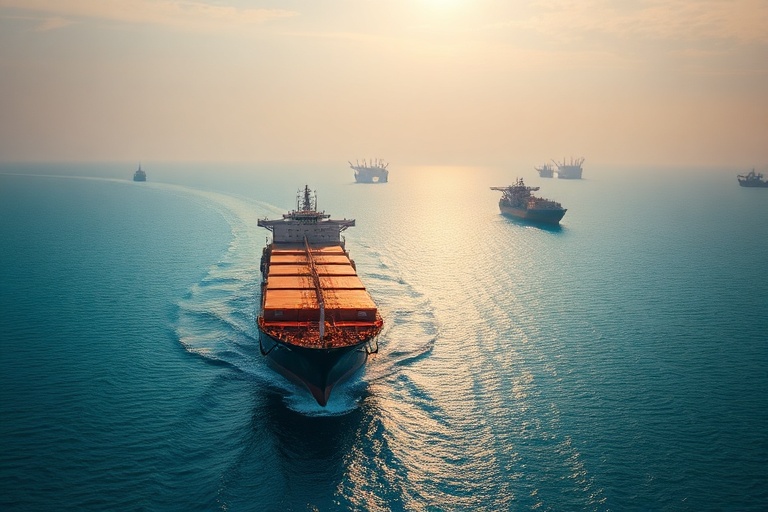
strait of hormuz oil tankers
“`html
Strait of Hormuz Oil Tankers: A Global Chokepoint Under Pressure
The Strait of Hormuz remains one of the world’s most strategically critical maritime passages, serving as the sole outlet for nearly a third of the planet’s seaborne oil. This narrow waterway between Oman and Iran connects the Persian Gulf to the Gulf of Oman and the Arabian Sea, making it indispensable to global energy security. The strait’s importance is magnified by the sheer volume of crude oil and liquefied natural gas (LNG) that transits through it daily—roughly 21 million barrels, according to the U.S. Energy Information Administration.
Tankers navigating these waters face a unique set of challenges, from geopolitical tensions to environmental risks. The region’s volatility has repeatedly thrust the Strait of Hormuz into the spotlight, prompting concerns about supply disruptions, insurance costs, and the broader implications for energy markets. Understanding the dynamics at play requires examining the historical context, current threats, and the evolving strategies of both shipping companies and regional powers.
The Historical and Geopolitical Significance of the Strait
The Strait of Hormuz has been a focal point of global energy trade since the discovery of large oil reserves in the Persian Gulf during the 20th century. Its significance was solidified after World War II, when the U.S. and its allies recognized the need to secure the flow of oil from the Middle East. The strait’s narrowest point is just 21 miles wide, with a two-mile-wide shipping channel in each direction. This bottleneck makes it vulnerable to blockades, accidents, or deliberate interruptions.
Geopolitical tensions have flared repeatedly in the strait, particularly during periods of heightened conflict between Iran and its neighbors or Western powers. For example, during the Iran-Iraq War in the 1980s, both sides targeted each other’s oil tankers, leading to a series of high-profile attacks. More recently, tensions escalated in 2019 when Iran seized a British-flagged tanker, the Stena Impero, in retaliation for the detention of an Iranian oil tanker by the UK. These incidents underscore how quickly maritime trade can become a pawn in broader political disputes.
The strait’s role in global energy markets cannot be overstated. Countries like Saudi Arabia, Iraq, the UAE, and Kuwait rely on the Strait of Hormuz to export their oil. Any disruption here could send shockwaves through global markets, driving up prices and straining supply chains. This vulnerability has led to increased military presence from the U.S., UK, and other nations, all aimed at deterring aggression and ensuring the free flow of oil.
Current Threats to Oil Tankers in the Strait
The risks facing oil tankers in the Strait of Hormuz today are multifaceted, ranging from military confrontations to cyber threats and environmental hazards. One of the most pressing concerns is Iran’s military posture. Iran has repeatedly threatened to close the strait in response to sanctions or perceived aggression, and its naval forces, including the Islamic Revolutionary Guard Corps (IRGC), have demonstrated the capability to disrupt shipping through mine-laying, missile strikes, or swarming attacks by small boats.
In addition to military threats, tankers face the risk of piracy and sabotage. While piracy in the Strait of Hormuz is less prevalent than in other regions like the Gulf of Aden, the potential for attacks remains a concern. In 2019, four commercial vessels were damaged in a series of sabotage attacks near Fujairah, an incident widely attributed to Iran. Such events highlight the fragility of the region’s security infrastructure.
Environmental risks also loom large. The strait is prone to oil spills, which could devastate local marine ecosystems and disrupt global oil supplies. The shallow waters and heavy traffic increase the likelihood of collisions or groundings, while the region’s extreme weather conditions, such as cyclones, add another layer of danger. Shipping companies must balance these risks against the economic imperative to transport oil efficiently.
To mitigate these threats, tanker operators have adopted several strategies:
- Military Escorts: Some countries, including the U.S. and UK, offer naval escorts for tankers transiting the strait. These convoys provide a deterrent against Iranian aggression but also come with significant costs and logistical challenges.
- Alternative Routes: Some shipping companies have explored longer but potentially safer routes, such as sailing around the southern tip of Africa. However, these detours add days to voyages and increase fuel costs.
- Cybersecurity Measures: With the rise of cyber threats, tanker operators are investing in advanced cybersecurity systems to protect against hacking attempts that could compromise navigation or cargo tracking.
- Insurance Premiums: The risks associated with transiting the strait have driven up insurance costs for tankers. Some insurers now require additional premiums or impose exclusions for certain routes.
The Economic Impact of Strait Disruptions
The economic consequences of a prolonged disruption in the Strait of Hormuz could be severe. Global oil prices are highly sensitive to supply disruptions, and even a temporary closure could lead to price spikes. For example, in 2019, global oil prices surged by nearly 20% in the aftermath of the tanker attacks near Fujairah and the seizure of the Stena Impero. Such volatility can ripple through economies, affecting everything from transportation costs to consumer prices.
Countries dependent on oil exports from the Persian Gulf would bear the brunt of a prolonged disruption. Saudi Arabia, for instance, relies on the strait to export over 90% of its oil. A closure would force Riyadh to reroute shipments through the Red Sea via the Bab el-Mandeb strait, adding significant costs and delays. Similarly, Iraq and the UAE would face logistical challenges in finding alternative export routes.
The global shipping industry would also suffer. The cost of insuring tankers and rerouting shipments would increase, while delays could disrupt supply chains for industries reliant on oil and gas. In 2020, the COVID-19 pandemic demonstrated how supply chain disruptions may lead to shortages and price volatility. A strait closure would amplify these issues, particularly in regions already struggling with economic instability.
To hedge against these risks, some countries and companies are diversifying their energy sources. For example, the U.S. has ramped up domestic oil production and exports from the Gulf of Mexico, reducing its reliance on Middle Eastern oil. Similarly, European nations have sought to diversify their gas supplies by increasing imports of LNG from the U.S. and Qatar. While these strategies offer some protection, they are not a panacea, as global energy markets remain interconnected.
Future Outlook: Can the Strait Remain Open for Business?
The future of oil tanker traffic through the Strait of Hormuz hinges on a delicate balance of diplomacy, military deterrence, and economic pragmatism. The Biden administration has signaled a willingness to re-engage with Iran diplomatically, but progress has been slow, and tensions remain high. Meanwhile, Iran continues to assert its military presence in the strait, using it as leverage in negotiations over its nuclear program and sanctions relief.
For shipping companies, the strait’s future remains uncertain. While the risks are well-documented, the economic incentives to use the shortest and most efficient route are equally compelling. Tanker operators must weigh the costs of alternative routes against the potential for disruption. Insurance companies, too, are adjusting their policies to reflect the evolving threat landscape, which may further influence shipping decisions.
One potential solution lies in regional cooperation. Countries like Saudi Arabia and the UAE have invested in infrastructure to reduce their reliance on the strait, such as expanding pipelines that bypass the choke point. For example, the UAE’s Abu Dhabi Crude Oil Pipeline can transport oil directly from the Persian Gulf to the Gulf of Oman, bypassing the strait entirely. Such projects could reduce the region’s vulnerability to disruptions.
However, geopolitical realities may limit the effectiveness of these measures. Iran’s nuclear program and its ballistic missile capabilities remain flashpoints, and any miscalculation could escalate tensions. The international community’s response to these challenges will play a critical role in determining whether the Strait of Hormuz remains a reliable conduit for global oil trade.
For now, oil tankers continue to navigate these waters, but the stakes could not be higher. The strait’s future is a microcosm of broader geopolitical struggles, where energy security, military power, and economic stability intersect. As the world transitions to cleaner energy sources, the Strait of Hormuz’s role may evolve, but its importance to global trade is unlikely to diminish in the near term.
Key Takeaways
- The Strait of Hormuz is a critical chokepoint for global oil trade, handling nearly a third of seaborne crude.
- Geopolitical tensions, military threats, and environmental risks make navigating the strait increasingly hazardous.
- Economic disruptions in the strait could lead to significant price volatility and supply chain challenges.
- Shipping companies are adopting mitigation strategies, but the strait’s future remains uncertain amid ongoing geopolitical struggles.
As the world grapples with the challenges of energy security, the Strait of Hormuz stands as a reminder of how interconnected global trade truly is. The decisions made by policymakers, military leaders, and shipping companies will shape the strait’s future—and with it, the stability of the global economy.
—
METADATA
{
“title”: “Strait of Hormuz Oil Tankers: Global Energy Chokepoint Risks”,
“metaDescription”: “Understand the risks facing oil tankers in the Strait of Hormuz, a critical global energy chokepoint threatened by geopolitics and environmental hazards.”,
“categories”: [“News”, “Analysis”],
“tags”: [“Strait of Hormuz”, “oil tankers”, “energy security”, “Iran tensions”, “global oil trade”],
“imageDescription”: “Aerial view of a large oil tanker navigating the narrow Strait of Hormuz, with Iranian military patrol boats in the background. The scene captures the tension between commercial shipping and regional military presence, set against the arid coastline of Oman and Iran under a haz