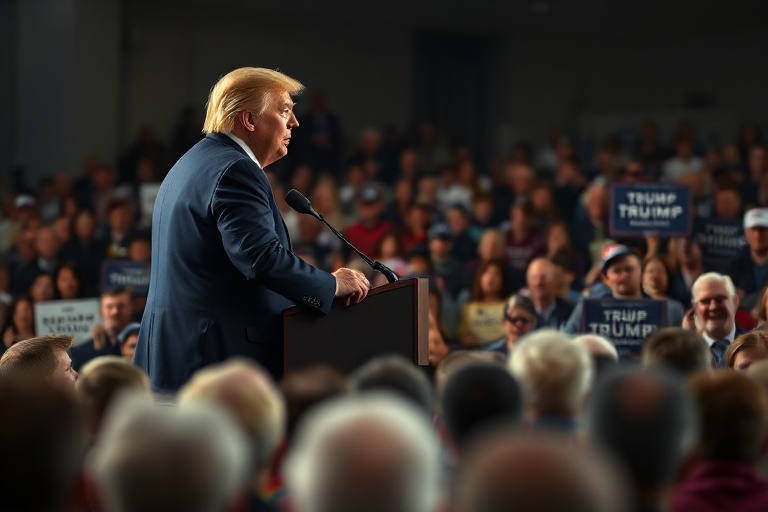
Trump’s Approval Ratings: What Poll Numbers Really Mean
“`html
Tracking Trump’s Approval Ratings: What the Numbers Really Show
Donald Trump’s approval ratings have remained a persistent topic in political discourse, shaping both media narratives and voter sentiment. Unlike traditional politicians, Trump’s approval numbers have fluctuated dramatically based on policy shifts, legal developments, and public controversies. These numbers don’t just reflect personal popularity—they influence legislative outcomes, election strategies, and the broader political landscape.
The polling data surrounding Trump presents a nuanced picture. While his base remains steadfast, independent and undecided voters often drive the most significant shifts. Understanding these trends requires examining historical context, current polling methodologies, and the unique dynamics of Trump’s political brand.
The Historical Context of Trump’s Approval Ratings
Trump’s presidency began with historically low approval ratings compared to his predecessors. His initial average hovered around 45%, a figure that steadily declined throughout his term. The COVID-19 pandemic marked a particularly volatile period, with approval ratings swinging between 48% and 41% during critical months of the crisis.
Post-presidency, Trump’s approval ratings have stabilized in a narrower range, typically between 42% and 46%. This consistency suggests that his support has become more predictable, though still subject to external events. The 2022 midterm elections revealed that Trump’s endorsement power remained significant, particularly in primary contests.
Several key factors have consistently influenced Trump’s approval ratings:
- Policy victories and controversies: Major legislative wins or high-profile investigations tend to move the needle, often temporarily.
- Legal developments: Court rulings, indictments, or legal settlements frequently trigger short-term polling shifts.
- Economic perceptions: Despite strong economic indicators during his presidency, public perception often lagged behind reality.
- Cultural moments: Statements, social media posts, or viral incidents frequently dominate news cycles and affect approval numbers.
How Polling Methodologies Shape Our Understanding
Polling Trump’s approval presents unique challenges that extend beyond standard political measurement. The proliferation of cell phones, declining response rates, and partisan media ecosystems have complicated traditional survey methods. Organizations like Gallup, Pew Research, and YouGov employ different methodologies that can produce varying results.
Some key considerations in Trump-specific polling include:
- Weighting adjustments: Pollsters must carefully balance demographics, particularly among rural and urban voters who often have starkly different views.
- Question wording: The phrasing of approval questions can significantly impact responses, especially regarding controversial policies or statements.
- Timing factors: Events like debates, court hearings, or major news stories can cause daily fluctuations that traditional weekly polls may miss.
- Social media influence: Trump’s direct communication via Truth Social and other platforms creates echo chambers that affect how his base perceives his performance.
These methodological challenges explain why approval ratings should be viewed as snapshots rather than definitive measures. The most reliable insights often come from analyzing trends over time rather than focusing on individual poll numbers.
The Broader Implications of Trump’s Approval Numbers
Trump’s approval ratings extend far beyond personal popularity metrics. They serve as barometers for Republican Party dynamics, influence legislative priorities, and shape Democratic opposition strategies. The numbers often determine which candidates receive endorsements, how campaign funds are allocated, and which issues dominate political messaging.
Several significant implications emerge from Trump’s sustained approval among his base:
- Primary election dynamics: High approval ratings among Republican voters give Trump outsized influence in party primaries, often determining which candidates receive crucial endorsements.
- Negotiation leverage: Even when overall approval is low, Trump’s ability to mobilize voters affects how other politicians approach bipartisan deals.
- Media coverage patterns: Networks and publications often frame stories based on Trump’s approval trends, creating feedback loops between polling data and public perception.
- Policy prioritization: Areas where Trump maintains strong support—such as immigration, trade, and judicial appointments—often receive disproportionate attention in Republican agendas.
The sustained nature of Trump’s approval, despite controversies that would derail other politicians, suggests fundamental shifts in how voters evaluate leadership. His approval ratings reflect not just satisfaction with policies but alignment with cultural and political identity.
What the Future Holds for Trump’s Political Influence
As Trump continues to shape the Republican landscape, his approval ratings will remain a critical metric for understanding broader political trends. The 2024 election cycle has already demonstrated that his influence extends beyond traditional polling numbers, with his endorsements often determining primary outcomes regardless of individual candidate approval ratings.
Several factors will likely influence Trump’s approval in the coming years:
- Legal proceedings: Ongoing court cases could either galvanize his base or create new vulnerabilities depending on public perception of the proceedings.
- Economic conditions: Inflation, job growth, and consumer confidence will affect how voters evaluate his economic legacy.
- Generational shifts: Younger voters who have become a larger portion of the electorate may view Trump differently than older generations.
- Opposition messaging: How Democratic candidates frame their opposition to Trump could either reinforce his base or peel away independent voters.
Understanding Trump’s approval ratings requires looking beyond the surface numbers to examine what they reveal about the changing nature of American politics. His sustained support suggests that traditional political metrics may no longer capture the full picture of political engagement in an era of heightened polarization.
For those interested in following these trends more closely, Dave’s Locker News provides regular updates on political developments, while Dave’s Locker Analysis offers deeper examinations of polling data and its implications.
Conclusion
Trump’s approval ratings represent more than just political metrics—they encapsulate the complex dynamics of modern American politics. The numbers reflect not just satisfaction with policies but alignment with cultural identities and media ecosystems. As political engagement evolves, these approval ratings will continue to shape both electoral outcomes and the broader political landscape.
Rather than viewing approval numbers in isolation, observers should examine them as part of a larger ecosystem that includes legal developments, economic conditions, and cultural shifts. The most meaningful insights emerge when polling data is contextualized within these broader trends rather than treated as definitive measures of political success.