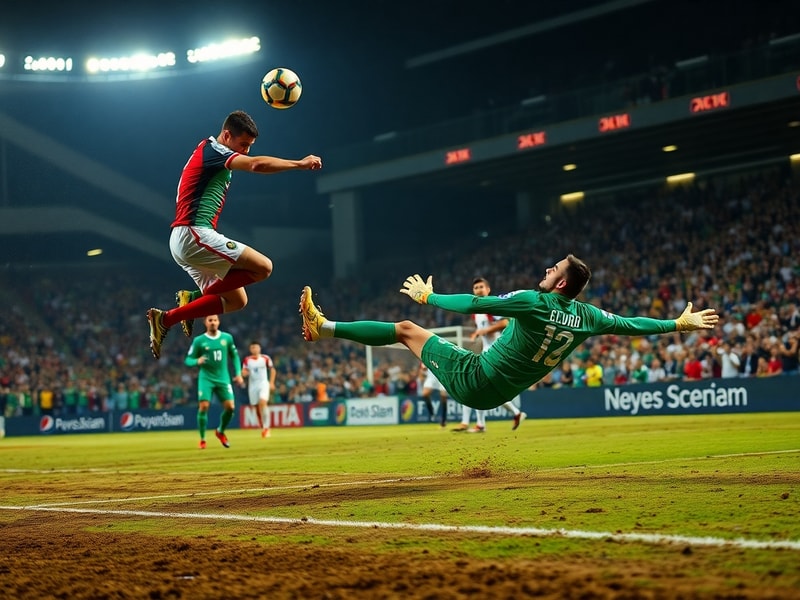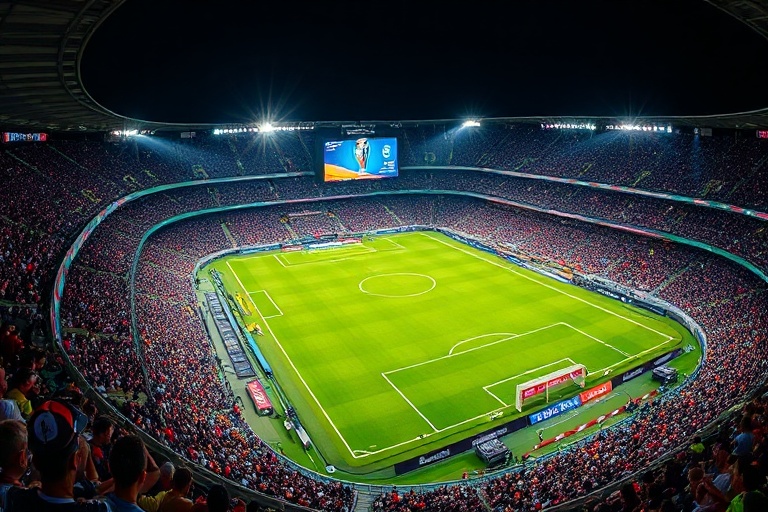
The UEFA Nations League has reshaped the landscape of international football since its inception in 2018. Designed to replace most international friendlies with competitive matches, the tournament offers a fresh perspective on how national teams approach their schedules. Its introduction reflects broader shifts in the sport, where tradition meets innovation, and practicality meets passion.
From a global standpoint, the Nations League serves multiple purposes. It provides smaller nations with more meaningful fixtures against comparable teams, reducing the gap between elite and developing football nations. For larger federations, it offers a pathway to major tournaments while keeping players engaged in competitive environments throughout the year.
The Structure and Evolution of the Tournament
The UEFA Nations League divides its 55 member associations into four leagues based on their UEFA coefficients. League A features the continent’s top teams, while League D includes the lowest-ranked sides. Teams compete in groups of three or four, playing home and away matches over the course of a few months. This format ensures regular competition without overburdening players.
Since its debut, the tournament has undergone subtle refinements. The inaugural season in 2018-19 introduced promotion and relegation between leagues, adding stakes to every match. The 2022-23 edition expanded the finals format, allowing four teams to compete in a single-hosted tournament for the championship. This evolution demonstrates UEFA’s willingness to adapt while maintaining the competition’s core appeal.
The Nations League also serves as a qualifying pathway for the UEFA European Championship. The top performers from each league gain direct entry or playoff spots, offering an alternative route to the Euros for teams that might struggle in traditional qualifiers. This dual-purpose model has strengthened the tournament’s relevance in the international football calendar.
Promotion and Relegation: The Competitive Edge
One of the most compelling aspects of the Nations League is its promotion and relegation system. Teams in Leagues B, C, and D compete not just for pride, but for the chance to move up—or face the risk of dropping down. This creates a dynamic where even matches between lower-ranked sides carry significance.
For example, in the 2020-21 season, Finland topped Group B2 in League B, securing promotion to League A for the first time. Meanwhile, Bulgaria and Ireland were relegated from League B after finishing bottom of their groups. These outcomes highlight how the system rewards consistency and punishes complacency, fostering a more competitive environment across all levels of European football.
The relegation battle can also serve as a wake-up call for underperforming nations. Teams like Sweden and Norway have faced demotion from League A, forcing them to regroup and rebuild. This cycle of promotion and relegation injects unpredictability into the competition, making it more compelling for fans and players alike.
Cultural and Economic Impact Across Europe
The Nations League has had a profound cultural impact on European football. For smaller nations, the competition provides a stage to showcase talent and gain exposure. Matches between teams like Kosovo and Gibraltar may not draw massive global audiences, but they hold immense significance for local fans and players who rarely experience high-stakes international football.
In larger footballing nations, the tournament has sparked debates about player workload and fatigue. Critics argue that the additional matches add strain to already packed schedules, particularly for clubs in top European leagues. However, proponents counter that the Nations League offers a more structured and competitive alternative to meaningless friendlies, which often fail to inspire players or fans.
The economic implications are equally noteworthy. Broadcasters and sponsors have embraced the Nations League as a fresh product with commercial potential. The 2023 finals in the Netherlands drew significant global viewership, proving that the tournament can stand alongside traditional international competitions. Sponsorship deals and broadcasting rights have injected revenue into national associations, particularly those from smaller leagues.
The Rise of New Footballing Narratives
The Nations League has given rise to new footballing narratives that transcend traditional rivalries. Teams like Austria and Serbia have used the competition to redefine their identities on the international stage. Meanwhile, nations like Wales and Denmark have leveraged their Nations League performances to build momentum for major tournaments.
For instance, Wales’ impressive run to the 2021 Nations League semifinals showcased their depth and tactical maturity. The tournament provided a springboard for their Euro 2024 campaign, where they advanced to the knockout stages. Similarly, Denmark’s victory in the 2022-23 Nations League finals marked a turning point for a team that had previously struggled to replicate their Euro 2020 success.
These stories highlight how the Nations League can serve as a catalyst for growth. For mid-tier nations, it offers a platform to challenge the established order and stake their claim in European football’s hierarchy.
Challenges and Criticisms
Despite its successes, the Nations League faces criticism on several fronts. The most common complaint is fixture congestion. Players from top clubs often find themselves caught between club and international commitments, leading to concerns about fatigue and injury risks. The 2022 World Cup in Qatar, which overlapped with the Nations League, exacerbated these issues, drawing scrutiny from managers and players alike.
Another challenge is fan engagement. While the tournament has found a niche audience, it struggles to match the emotional intensity of major tournaments like the Euros or World Cup. Many fans still view friendlies as secondary to competitive matches, and the Nations League, despite its competitive nature, often lacks the prestige of traditional tournaments.
There are also logistical hurdles. Smaller nations face travel costs and scheduling conflicts that larger federations do not. The disparity in resources can sometimes undermine the competition’s intent to level the playing field, particularly in League D, where travel between distant countries adds financial strain.
Balancing Tradition and Modernity
The UEFA Nations League embodies the tension between tradition and modernity in football. While it seeks to modernize international football by replacing friendlies with competitive matches, it must also respect the cultural and historical significance of traditional fixtures. Finding this balance is an ongoing challenge for UEFA and its member associations.
Ultimately, the Nations League represents a step toward a more dynamic and inclusive international football calendar. It may never fully replace the romance of a World Cup or the drama of a European Championship, but it offers something unique: a year-round competitive environment where every match matters. As football continues to evolve, the Nations League will likely play an increasingly central role in shaping the future of the sport.
For fans and players alike, the tournament serves as a reminder that international football is not just about the grand stages—it’s also about the relentless pursuit of excellence, match by match.
To stay updated on the latest developments in international football and other major sporting events, follow our Sports section for in-depth analysis and coverage.