<!DOCTYPE html>
<html lang="en">
<head>
    <meta charset="UTF-8">
    <meta name="viewport" content="width=device-width, initial-scale=1.0">
    <title>Understanding the UK Department for Transport: Policies, Challenges & Future</title>
</head>
<body>
    <article>
        <header>
            <h1>The UK Department for Transport: Policies, Challenges & Future</h1>
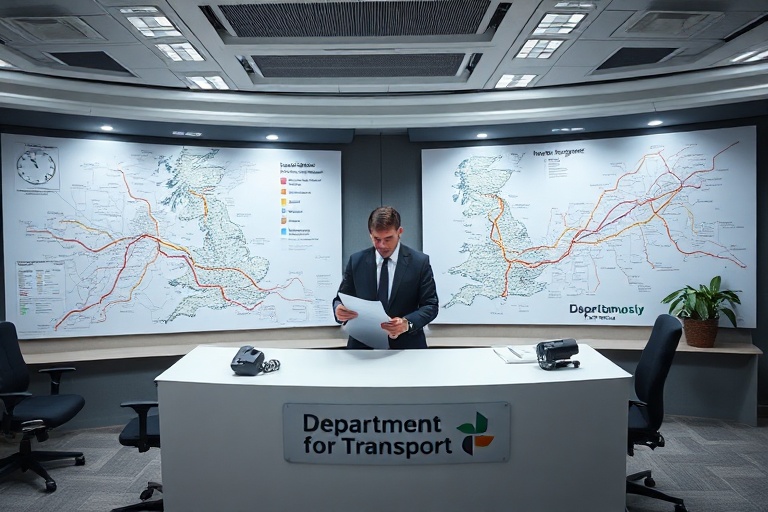
            <p>The Department for Transport (DfT) plays a pivotal role in shaping the United Kingdom's transport infrastructure, policies, and regulations. From road safety to rail networks, aviation, and maritime operations, the DfT's decisions influence millions of daily commuters and businesses across the country. Understanding its structure, priorities, and challenges provides insight into how the UK moves forward in an era of rapid technological and environmental change.</p>
        </header>

        <section>
            <h2>The Role and Responsibilities of the Department for Transport</h2>
            <p>The DfT is a government department responsible for overseeing transport systems in England, while devolved administrations in Scotland, Wales, and Northern Ireland manage their own transport policies. Its core responsibilities include developing national transport strategy, regulating services, and ensuring safety across various modes of transport. The department also plays a key role in delivering major infrastructure projects, such as HS2 and Crossrail, which aim to improve connectivity and reduce travel times.</p>

            <p>The DfT operates under several key priorities, including decarbonising transport, improving accessibility, and enhancing road safety. It works closely with agencies like Highways England, Network Rail, and the Civil Aviation Authority to implement policies and maintain infrastructure. Recent initiatives have focused on reducing carbon emissions from vehicles, expanding electric vehicle charging networks, and promoting active travel options like cycling and walking.</p>

            <p>One of the department's most visible roles is managing the Strategic Road Network, which includes motorways and major A-roads. This network spans over 4,300 miles and is critical for economic productivity. The DfT also funds local transport projects through grants and partnerships, supporting urban transport schemes that reduce congestion and improve air quality.</p>
        </section>

        <section>
            <h2>Key Policies and Initiatives Under the DfT</h2>
            <p>The DfT has introduced several transformative policies in recent years, reflecting the government's commitment to sustainability and innovation. One of the most significant is the ban on the sale of new petrol and diesel cars by 2030, a move designed to accelerate the transition to electric vehicles (EVs). This policy is supported by a £1.5 billion investment in charging infrastructure, ensuring that drivers across the country have access to reliable charging points.</p>

            <p>The department has also prioritised active travel through its <a href="https://www.daveslocker.net/travel">Travel</a> and <a href="https://www.daveslocker.net/automotive">Automotive</a> funding schemes. The Active Travel Fund, for example, has provided millions to local authorities for building cycle lanes and pedestrian zones. These investments aim to reduce car dependency, lower emissions, and improve public health by encouraging physical activity.</p>

            <h3>Rail and Aviation: Modernising the UK's Transport Networks</h3>
            <p>In rail transport, the DfT oversees the franchising system for passenger services and funds major upgrades to the network. Projects like the Elizabeth Line in London and ongoing electrification schemes are part of a broader effort to create a more reliable and efficient rail system. The department is also working on reforms to the rail industry, including proposals to merge some operators to improve service consistency.</p>

            <p>Aviation remains another critical focus, particularly as the UK seeks to maintain its position as a global transport hub post-Brexit. The DfT has supported the expansion of regional airports and invested in sustainable aviation fuels to reduce the environmental impact of air travel. Additionally, the department plays a role in managing airspace modernisation, which aims to improve efficiency and reduce delays for passengers.</p>

            <p>The DfT's policies extend beyond infrastructure. It has introduced measures to improve road safety, such as the introduction of smart motorways and stricter penalties for dangerous driving. The department also collaborates with local authorities to implement 20mph speed limits in urban areas, reflecting a growing emphasis on protecting vulnerable road users.</p>
        </section>

        <section>
            <h2>Challenges Facing the Department for Transport</h2>
            <p>Despite its ambitious agenda, the DfT faces significant challenges. One of the most pressing is balancing the need for infrastructure investment with fiscal constraints. Major projects like HS2 have faced criticism over cost overruns and delays, raising questions about the department's ability to deliver large-scale schemes efficiently.</p>

            <p>The transition to net-zero emissions presents another hurdle. While the 2030 ban on petrol and diesel cars is a bold step, achieving this target requires rapid scaling of EV production, battery technology, and charging infrastructure. Supply chain issues and global competition for critical materials like lithium pose additional risks to the timeline.</p>

            <p>Public transport usage has yet to fully recover from the COVID-19 pandemic, particularly in urban areas. The DfT must address concerns about safety, reliability, and affordability to encourage commuters to return to trains and buses. Additionally, the department must navigate the complexities of devolution, ensuring that policies are effective across England while respecting the autonomy of Scotland, Wales, and Northern Ireland.</p>

            <h3>Funding and Economic Pressures</h3>
            <p>The DfT's budget is subject to fluctuations based on government priorities and economic conditions. In recent years, funding has been diverted to address immediate crises, such as the cost-of-living support for transport users and the financial struggles of public transport operators. This has led to debates about the long-term sustainability of transport funding models.</p>

            <p>Another challenge is the need to modernise outdated systems. For example, the UK's rail ticketing system remains fragmented, with passengers often facing confusion over fares and pricing. The DfT has acknowledged these issues and is exploring digital solutions, such as integrated ticketing apps, to streamline the experience for travellers.</p>
        </section>

        <section>
            <h2>The Future of Transport: What’s Next for the DfT?</h2>
            <p>The DfT's future plans are shaped by technological advancements, environmental goals, and changing travel behaviours. One area of focus is the development of autonomous vehicles (AVs). The department has been conducting trials for self-driving buses and taxis, aiming to improve road safety and accessibility for elderly and disabled passengers. Regulatory frameworks are being updated to accommodate AVs, ensuring they can operate safely alongside traditional vehicles.</p>

            <p>Sustainability will continue to drive policy decisions. The DfT is exploring hydrogen-powered trains and buses as alternatives to electrification in areas where overhead lines or battery capacity are impractical. Additionally, the department is investing in research into sustainable aviation fuels and hybrid-electric aircraft to reduce the carbon footprint of air travel.</p>

            <h3>Digital Transformation and Data-Driven Policies</h3>
            <p>Data and digital technology are becoming central to the DfT's operations. The department is leveraging real-time data to manage traffic flow, predict congestion, and optimise public transport schedules. Smart city initiatives, which integrate transport systems with urban planning, are being piloted in cities like Manchester and Birmingham to improve efficiency and reduce emissions.</p>

            <p>The DfT is also using data to inform policy decisions. For example, it has analysed travel patterns during the pandemic to assess the long-term viability of flexible working arrangements and their impact on rush-hour traffic. This data-driven approach allows the department to tailor policies to specific regional needs and anticipate future trends.</p>

            <h3>Public Engagement and Stakeholder Collaboration</h3>
            <p>Engaging with the public and stakeholders is crucial for the DfT's success. The department regularly consults with local authorities, transport operators, and community groups to gather feedback on policies and infrastructure projects. Public consultations on major schemes, such as the expansion of Heathrow Airport or the introduction of Ultra Low Emission Zones, have highlighted the importance of transparency and collaboration.</p>

            <p>The DfT also works with international partners to share best practices and adopt global innovations. For instance, it has studied transport systems in cities like Amsterdam and Copenhagen to inform its active travel policies. Collaboration with the European Union and other countries ensures the UK remains competitive in transport technology and sustainability.</p>
        </section>

        <section>
            <h2>Conclusion: The Road Ahead for the DfT</h2>
            <p>The Department for Transport stands at a crossroads, tasked with delivering a transport system that is sustainable, efficient, and accessible for all. While challenges like funding constraints, technological transitions, and post-pandemic recovery loom large, the DfT's ambitious policies and forward-thinking initiatives offer a roadmap for progress. By embracing digital innovation, prioritising decarbonisation, and engaging with communities, the department can shape a transport network that meets the needs of the 21st century.</p>

            <p>As the UK navigates economic uncertainties and environmental imperatives, the DfT's role will only grow in significance. Whether through expanding electric vehicle infrastructure, modernising rail networks, or promoting active travel, the department's decisions will have a lasting impact on the nation's mobility and quality of life. For commuters, businesses, and policymakers alike, staying informed about the DfT's work is essential to understanding the future of transport in the UK.</p>
        </section>
    </article>

    <!-- Metadata -->