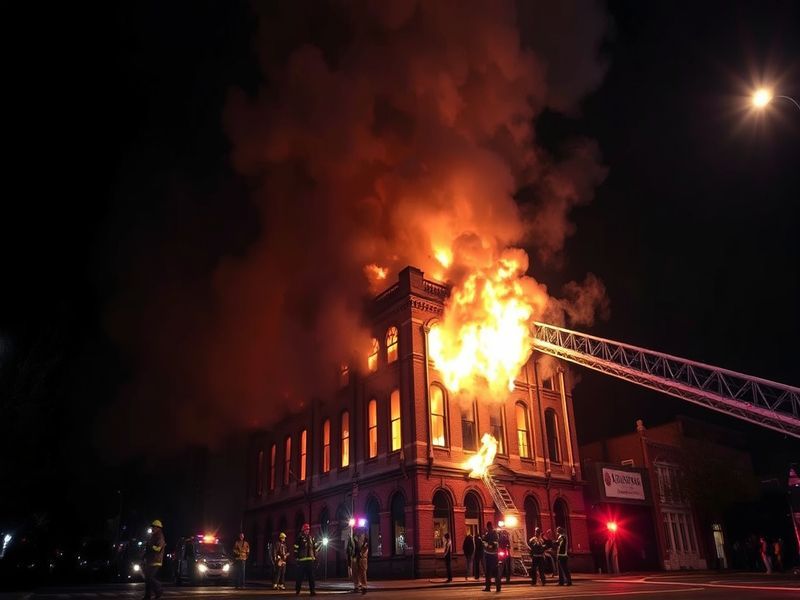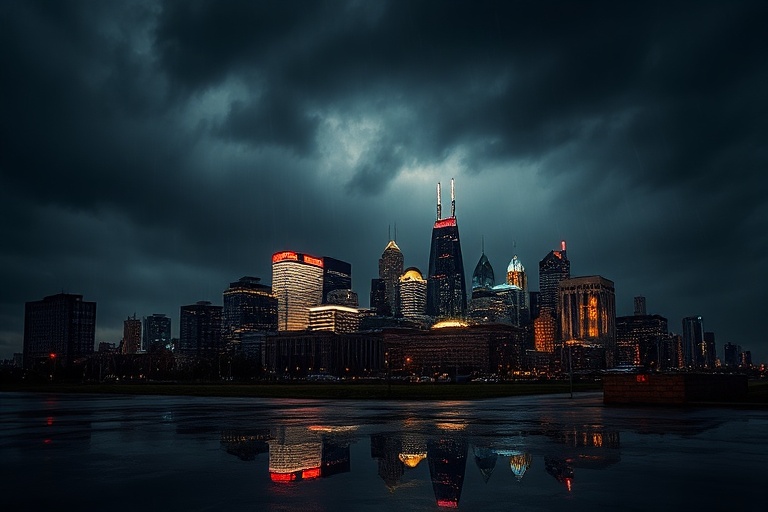
Detroit’s weather is as layered as its history—unpredictable, occasionally punishing, and often a topic of conversation no matter the season. From blistering winters to humid summers, the city’s climate influences everything from daily routines to long-term infrastructure decisions. Understanding these patterns isn’t just about checking a forecast; it’s about recognizing how weather shapes life in one of America’s most resilient urban centers.
Detroit’s Seasonal Shifts: What to Expect Year-Round
Detroit sits in a transitional climate zone, caught between the Great Lakes’ moderating influence and continental temperature swings. Winters are long and snowy, with average lows in January dipping below 20°F (-6°C). Lake-effect snow often blankets the city, sometimes dumping several inches overnight. Residents adapt with snow tires, salting sidewalks, and the occasional heated debate about whether the city shovels enough.
Spring arrives slowly, often hesitating until April, when temperatures finally climb into the 50s and 60s (°F). Rainy spells are common, feeding the city’s greenery and filling its many parks. Summers are hot and humid, with July highs frequently reaching the upper 80s (°F). Heat waves can push temperatures past 90°F (32°C), straining power grids and testing the patience of those without reliable air conditioning.
Autumn is the city’s most celebrated season. Crisp air and vibrant foliage draw residents outdoors, while the harvest season brings pumpkin-spiced everything and visits to local orchards. However, fall also marks the return of unpredictable weather, with sudden cold snaps or lingering warmth keeping meteorologists—and locals—on their toes.
Key Weather Patterns in Detroit
- Lake-effect snow: Responsible for heavy, localized snowfall, especially in the city’s east side.
- Thunderstorms: Common in summer, sometimes severe with high winds or hail.
- Temperature swings: Rapid shifts between seasons, sometimes within a single week.
- Flooding risks: Poor drainage in older neighborhoods exacerbates flooding during heavy rain.
The Broader Implications of Detroit’s Weather
Detroit’s weather isn’t just a backdrop—it’s an active force shaping the city’s economy, health, and urban planning. The winter season, for example, directly impacts the city’s workforce. Snow delays public transit, forces school closures, and can temporarily halt construction projects. For businesses, especially small retailers and restaurants, harsh winters mean lost revenue and higher operational costs. The city’s infamous “snow emergency” declarations aren’t just bureaucratic red tape; they’re necessary measures to keep roads clear and prevent accidents.
Air quality is another concern. Detroit’s industrial legacy, combined with temperature inversions in winter, can trap pollutants close to the ground. This disproportionately affects low-income neighborhoods near freeways and industrial zones, where asthma rates are already higher than the national average. Summer heat waves pose similar risks, particularly for elderly residents and those without access to cooling centers.
Climate change is adding a new layer of complexity. Over the past decade, Detroit has seen more frequent heavy rain events, leading to basement flooding and overwhelmed sewer systems. Meanwhile, winter temperatures have become milder on average, reducing the number of subzero days but increasing the unpredictability of snowfall. These shifts challenge the city’s aging infrastructure, much of which was built for a climate that no longer exists.
How Detroiters Adapt—and Where the City Falls Short
Detroiters are no strangers to weather-related adversity. The city’s culture of resilience is evident in how residents prepare for winter. Longtime locals stockpile salt and shovels before the first snowfall. Schools and businesses often close in advance of major storms, a practice that’s both practical and controversial. Some argue that closures disrupt daily life unnecessarily, while others point to the dangers of navigating icy roads.
Yet, adaptation isn’t evenly distributed. In wealthier neighborhoods, residents can afford snow removal services or energy-efficient homes that withstand temperature extremes. In lower-income areas, crumbling sidewalks and inadequate housing make weather events more hazardous. The city’s response has been inconsistent, with some neighborhoods receiving prompt plowing while others wait hours for assistance.
Infrastructure improvements are slowly underway. The city has invested in better drainage systems to combat flooding, and some residential streets now feature heated pavement to melt snow. However, these solutions are piecemeal. A comprehensive approach—one that addresses both immediate needs and long-term climate resilience—remains elusive.
Looking Ahead: What the Future Holds for Detroit’s Weather
Climate projections suggest Detroit will continue warming, with more frequent heat waves and fewer—but more intense—snowstorms. These changes could have surprising benefits, such as a longer growing season for urban farms or reduced heating costs for residents. However, the risks are significant. Increased rainfall could overwhelm the city’s combined sewer system, leading to more basement flooding and waterway pollution. Extreme heat could strain the power grid, particularly during peak summer months.
Adapting to these changes will require coordination between city planners, community leaders, and residents. Green infrastructure, such as rain gardens and permeable pavement, could help manage stormwater. Expanding tree canopy coverage would provide shade and reduce the urban heat island effect. Investing in affordable housing retrofits could protect vulnerable residents from temperature extremes.
Detroit’s ability to weather these challenges—both literally and figuratively—will depend on its willingness to innovate. The city has a history of reinvention, from its automotive roots to its post-industrial resurgence. Now, it must apply that same ingenuity to its climate strategy. The weather isn’t going away, but how Detroit responds could determine its future for decades to come.
Resources for Staying Informed
For those looking to stay updated on Detroit’s weather, several local resources provide reliable information:
- Dave’s Locker Weather Center – Real-time forecasts and extreme weather alerts.
- Dave’s Locker Local News – Coverage of weather-related events and city responses.
Detroit’s weather is more than just small talk—it’s a defining characteristic of the city. Understanding its nuances helps residents and observers alike appreciate the forces that shape daily life in the Motor City.