Wyoming Game and Fish: A Model of Conservation in the 21st Century
The Wyoming Game and Fish Department stands as a cornerstone of wildlife management in the United States, balancing ecological preservation with recreational access. Since its establishment in 1927, the agency has evolved from a fledgling conservation effort into a globally recognized model for sustainable wildlife stewardship. Its work extends beyond state borders, influencing conservation practices worldwide and demonstrating how science-driven policy can coexist with economic development.
The department’s jurisdiction covers nearly 98,000 square miles of diverse landscapes, from the rugged peaks of the Wind River Range to the sweeping grasslands of the Great Plains. This vast territory supports some of North America’s most iconic species, including grizzly bears, pronghorn, and the greater sage-grouse—a bird whose conservation has sparked international collaboration. Wyoming’s approach to wildlife management is rooted in data, tradition, and adaptability, making it a case study for agencies facing similar challenges globally.
The Evolution of Conservation Policy
Wyoming’s conservation journey began in the early 20th century, when unregulated hunting and habitat loss threatened species like elk and bighorn sheep. The creation of the Wyoming Game and Fish Department marked a shift toward science-based management, with early efforts focusing on restocking depleted populations and regulating harvests. By mid-century, the agency had pioneered techniques still used today, such as aerial surveys and GPS tracking of wildlife.
In 1973, the passage of the Endangered Species Act provided new tools for conservation, but it also introduced complexities. Wyoming’s management of grizzly bears, once nearly extinct in the state, became a national talking point. The department’s collaborative approach—working with federal agencies, tribes, and private landowners—helped delist the grizzly in 2017, a decision celebrated by conservationists but also met with legal challenges. This balance of progress and contention reflects broader debates about wildlife management in an era of climate change and urban expansion.
- 1927: Wyoming Game and Fish Department founded to address overhunting and habitat loss.
- 1970s: Adoption of modern conservation tools like aerial surveys and scientific research.
- 2000s: Expansion of habitat restoration programs and public-private partnerships.
- 2020s: Focus on climate adaptation, chronic wasting disease management, and community engagement.
Science and Sustainability: The Department’s Core Strategies
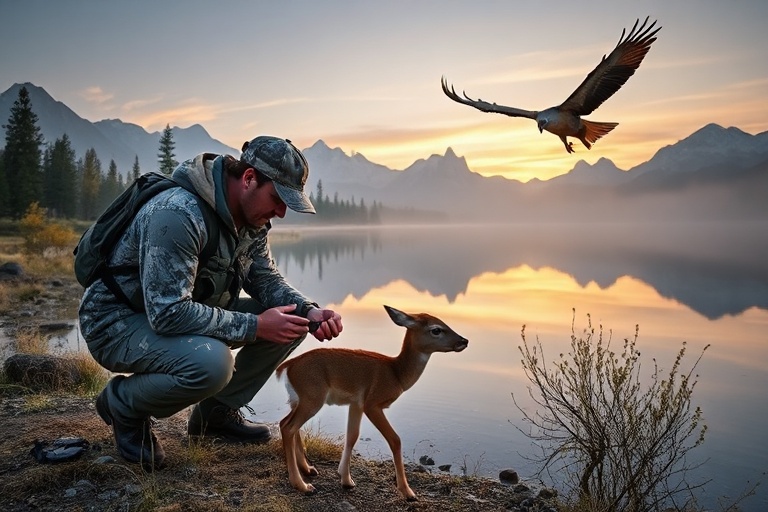
The Wyoming Game and Fish Department operates on a foundation of rigorous science. Its research division conducts studies on everything from pronghorn migration corridors to the impacts of oil and gas development on sage-grouse habitat. This data informs regulations on hunting, fishing, and land use, ensuring decisions are rooted in evidence rather than politics.
One of the department’s most notable achievements is its work on chronic wasting disease (CWD), a fatal neurological disorder affecting deer and elk. Wyoming was among the first states to detect CWD in the 1980s, and its proactive management—including targeted culling and public education—has slowed its spread. This approach contrasts with states that have struggled to contain the disease, highlighting the importance of early intervention and transparency.
The department also prioritizes habitat restoration, partnering with organizations like conservation nonprofits to rehabilitate degraded lands. Projects such as the restoration of the Platte River ecosystem and the enhancement of riparian zones along the Green River demonstrate how targeted efforts can reverse decades of damage. These initiatives not only benefit wildlife but also support local economies reliant on tourism and recreation.
Cultural and Economic Impact
Beyond its ecological role, the Wyoming Game and Fish Department is woven into the state’s cultural fabric. Hunting and fishing are not just recreational activities here; they are traditions passed down through generations. The department’s annual license sales contribute over $30 million to conservation programs, funding everything from wildlife research to hunter education. This self-sustaining model has inspired similar programs in other states, proving that conservation can be both effective and economically viable.
Tourism is another critical component of Wyoming’s relationship with its wildlife. The state’s national parks and wildlife refuges attract millions of visitors annually, generating billions in revenue. The department’s role in managing these areas—balancing access with preservation—is a delicate dance. For example, its elk feedgrounds in western Wyoming provide crucial winter habitat but also require careful monitoring to prevent disease transmission. These feedgrounds are a testament to the department’s ability to adapt to changing conditions, whether due to climate shifts or human encroachment.
Globally, Wyoming’s model has drawn attention from conservationists in countries like Canada, Australia, and South Africa, where similar challenges exist. The department’s emphasis on collaboration—between agencies, scientists, and communities—offers a blueprint for managing shared resources in a world where borders are increasingly porous and ecosystems are under threat.
The Future: Challenges and Opportunities
Looking ahead, the Wyoming Game and Fish Department faces a host of challenges. Climate change is altering habitats at an unprecedented rate, forcing species to adapt or migrate. The department’s climate adaptation strategy includes monitoring shifts in migration patterns and adjusting habitat management accordingly. Meanwhile, the spread of invasive species like cheatgrass threatens native flora, requiring innovative solutions such as prescribed burns and targeted herbicide use.
Public perception also plays a role in the department’s future. As urban populations grow, so does the demand for wildlife experiences, from wildlife watching to eco-tourism. The department is expanding its outreach to engage these new audiences, using social media and educational programs to foster appreciation for Wyoming’s natural heritage. This shift reflects a broader trend in conservation, where the line between preservation and accessibility is constantly renegotiated.
The department’s work is far from finished, but its track record offers hope. From the reintroduction of bighorn sheep to the recovery of trumpeter swans, Wyoming’s conservation successes are a reminder that progress is possible—even in the face of daunting challenges. As the world grapples with biodiversity loss and habitat degradation, the lessons learned in Wyoming may prove invaluable.
The Wyoming Game and Fish Department’s legacy is not just one of conservation; it is a testament to the power of science, collaboration, and perseverance. In an era where the natural world faces unprecedented threats, its work serves as both a model and a call to action.