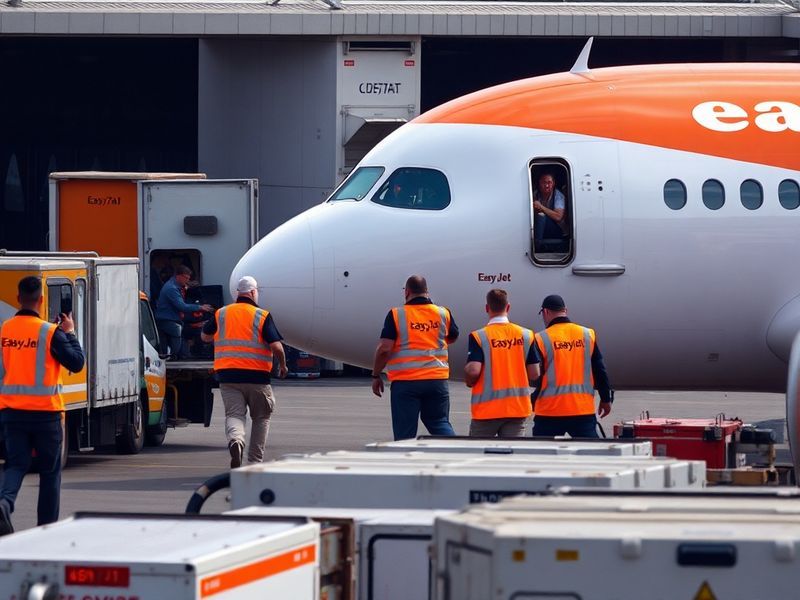
EasyJet passengers are facing disruptions as the airline grapples with a fuel shortage that has rippled through its operations. The issue, which stems from a combination of global supply chain pressures and logistical challenges, has led to delayed and canceled flights across multiple routes. While the airline has not yet declared a full-blown crisis, the situation demands attention from travelers who rely on the budget carrier for affordable and efficient travel.
Fuel remains a critical component of the aviation industry, and even minor disruptions can have outsized effects on flight schedules. EasyJet, known for its high-frequency, short-haul routes, is particularly vulnerable to fuel supply volatility. The company has historically maintained a lean operational model, but this strategy may now be tested as external factors beyond its control influence its ability to refuel aircraft promptly.
The Roots of the Fuel Shortage
The current fuel shortage affecting EasyJet is not an isolated incident but rather a convergence of several industry-wide challenges. One of the primary drivers is the reduced refining capacity in Europe, which has struggled to keep pace with post-pandemic demand. Refineries have been slow to restart operations fully, and maintenance shutdowns have further strained supply chains.
Geopolitical tensions have also played a role. The war in Ukraine disrupted traditional fuel supply routes, forcing European airlines to seek alternative sources. While global oil prices have stabilized somewhat, the logistics of transporting and refining fuel have become more complex and costly. EasyJet, like other carriers, must now navigate these obstacles while maintaining competitive pricing for its customers.
Another factor is the seasonal demand for jet fuel. As summer travel peaks, airlines typically increase their fuel reserves to accommodate higher passenger volumes. However, if refineries cannot meet this demand, airlines like EasyJet may find themselves in a precarious position, forced to prioritize fuel allocations or face operational setbacks.
How EasyJet Is Responding
In response to the fuel shortage, EasyJet has implemented several measures to mitigate its impact. The airline has increased communication with passengers, providing advance notice of potential delays or cancellations. This proactive approach aims to minimize disruption and maintain customer trust, even as operational challenges persist.
EasyJet has also adjusted its flight schedules in some cases, reducing the number of departures from airports where fuel availability is particularly constrained. This strategy allows the airline to concentrate its resources on high-demand routes while managing fuel consumption more efficiently. Passengers booked on affected flights are being offered rebooking options or refunds, depending on the circumstances.
The airline has emphasized its commitment to sustainability, highlighting its investments in more fuel-efficient aircraft and carbon offset programs. While these initiatives do not directly address the current fuel shortage, they reflect EasyJet’s long-term strategy to reduce its reliance on traditional jet fuel and insulate itself from future supply shocks. However, for now, the immediate challenge remains securing adequate fuel supplies for its existing fleet.
What Passengers Should Expect
Travelers flying with EasyJet in the coming weeks should prepare for potential disruptions. While the airline is working to minimize cancellations, some delays are inevitable. Passengers are advised to check their flight status regularly and arrive at the airport with extra time to spare. Checking in online and downloading the EasyJet app can streamline the process and provide real-time updates.
For those whose flights are canceled, EasyJet’s customer service channels are prioritizing refunds and rebookings. The airline has also expanded its customer support capacity to handle the increased volume of inquiries. Passengers should be patient but persistent, as response times may vary during peak periods.
To avoid last-minute surprises, travelers can also consider alternative transportation options for shorter routes. Travel options like trains or buses may provide more flexibility in some cases, particularly for domestic or cross-border journeys where fuel-related delays are most likely to occur.
Industry-Wide Implications
The fuel shortage at EasyJet is part of a broader trend affecting the aviation industry. Airlines worldwide are grappling with similar challenges, from rising fuel costs to supply chain bottlenecks. While larger carriers may have more resources to weather these storms, budget airlines like EasyJet are particularly exposed due to their narrow margins and high operational efficiency.
Industry analysts warn that the current situation could lead to higher airfares in the long term. As airlines pass on increased fuel costs to consumers, travelers may face steeper prices for flights. This shift could also accelerate the adoption of alternative fuels and technologies, such as sustainable aviation fuel (SAF), which remains in short supply but is gaining traction as a potential solution.
The fuel shortage also highlights the fragility of global supply chains. The aviation industry’s reliance on just-in-time fuel deliveries means that even minor disruptions can have cascading effects. Airlines and fuel suppliers are now exploring ways to build more resilient supply chains, including diversifying fuel sources and increasing storage capacity at key airports.
Looking Ahead: What’s Next for EasyJet
EasyJet’s ability to navigate the fuel shortage will depend on several factors, including the stability of global oil markets and the airline’s operational flexibility. In the short term, passengers can expect continued disruptions, though the worst-case scenarios—such as widespread cancellations—remain unlikely. The airline’s focus on customer communication and efficient resource allocation will be critical in maintaining its reputation and customer loyalty.
Longer term, EasyJet may need to reconsider its fuel procurement strategies. Diversifying suppliers, investing in fuel-efficient aircraft, and exploring alternative fuels could reduce its vulnerability to future shortages. The airline has already made strides in sustainability, but the current crisis underscores the need for even greater innovation in this area.
For now, travelers should stay informed and plan accordingly. While the fuel shortage poses challenges, it also serves as a reminder of the aviation industry’s interdependence and the need for adaptability. EasyJet, like its peers, will need to balance cost efficiency with resilience as it charts a course through these turbulent times.
As the situation evolves, passengers are encouraged to monitor updates from EasyJet and other reliable sources. The airline’s website and app remain the best channels for real-time information, ensuring that travelers can make informed decisions about their journeys.