South London: The Neighborhood Shaping London’s Future
South London isn’t just a geographic location; it’s a cultural mosaic that has evolved dramatically over the past century. From its working-class roots to its current status as a creative and culinary hotspot, this area has transformed into one of the city’s most dynamic regions. The neighborhoods here—each with its own distinct personality—offer a blend of history, diversity, and innovation that continues to shape London’s identity.
The Geography and Demographics of South London
Stretching from the Thames to the outer suburbs, South London encompasses 12 boroughs, each contributing to the area’s rich tapestry. Places like Brixton, Peckham, and Croydon serve as microcosms of London’s broader social and economic shifts. The population here is one of the most diverse in the UK, with a mix of long-standing communities and newer arrivals from across the globe. This diversity is reflected in everything from the food markets to the music venues, creating a vibrancy that’s hard to find elsewhere in the city.
South London’s geography has also played a key role in its development. The Thames, while not as central to the area’s identity as it is for North London, still serves as a symbolic boundary. Meanwhile, the rolling hills of areas like Crystal Palace and Honor Oak provide a stark contrast to the dense urban sprawl, offering pockets of green space that have become increasingly valuable in a city facing housing pressures.
The Cultural Evolution: From Working-Class Roots to Creative Hub
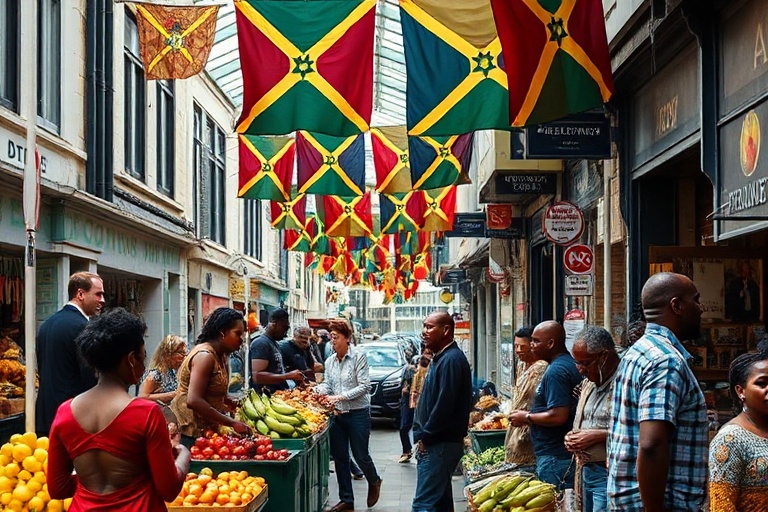
South London’s cultural identity has undergone a remarkable transformation. In the early 20th century, areas like Battersea and Bermondsey were known for their docks and factories, attracting workers from across the British Empire. The post-war era brought Caribbean immigrants to neighborhoods like Brixton, laying the foundation for the area’s famous Caribbean food scene and music culture. By the 1980s and 1990s, South London had become a hotbed for punk and reggae, with venues like the Brixton Academy and the 100 Club hosting legendary acts.
Today, South London is a magnet for artists, musicians, and entrepreneurs. Galleries like the South London Gallery in Peckham showcase contemporary art, while street markets such as the Brixton Market blend vintage fashion, global cuisine, and local crafts. The area’s creative energy is also evident in its street art, with murals by artists like Stik and Jimmy C adorning walls across the boroughs. This evolution reflects a broader trend in London, where once-industrial areas are being reclaimed as spaces for culture and innovation.
Key Moments in South London’s Cultural History
- 1948: The arrival of the Empire Windrush at Tilbury Docks marks the beginning of large-scale Caribbean migration to South London, particularly Brixton.
- 1981: The Brixton riots highlight racial tensions and socioeconomic challenges in the area.
- 1990s: The rise of Britpop and UK garage scenes puts South London on the musical map, with bands like Blur and artists like So Solid Crew emerging from the region.
- 2010s: Peckham’s transformation into a creative hub accelerates, with the opening of new galleries, co-working spaces, and pop-up venues.
The Economic Landscape: Challenges and Opportunities
South London’s economy is a study in contrasts. On one hand, areas like Croydon and Wimbledon are thriving commercial centers, home to major employers and retail chains. The redevelopment of the Croydon Gateway project, for example, aims to position the town as a rival to central London’s business districts. On the other hand, neighborhoods like Elephant and Castle and parts of Lewisham face significant challenges, including high unemployment and underinvestment.
The area’s economic disparities are emblematic of London’s broader inequalities. While gentrification has brought new investment to places like Peckham and Deptford, it has also displaced long-standing communities. Rising rents and property prices are pushing out smaller businesses and low-income residents, raising concerns about the loss of South London’s unique character. Yet, this tension has also sparked grassroots movements aimed at preserving local culture and ensuring inclusive growth.
South London’s Role in London’s Future
As London continues to grow, South London’s role in the city’s future is becoming increasingly significant. The proposed Crossrail 2 project, if completed, would improve connectivity between South London and the rest of the city, potentially accelerating economic development. Meanwhile, initiatives like the Mayor’s Good Growth Fund are investing in community projects, affordable housing, and green spaces across the boroughs.
South London’s cultural and economic contributions are undeniable, but its future will depend on balancing growth with inclusivity. The challenge lies in ensuring that the area’s rapid transformation doesn’t erase the very qualities that make it unique. Whether it’s through preserving historic markets, supporting local artists, or investing in education and job training, the decisions made today will shape South London for generations to come.
What’s Next for South London?
The trajectory of South London offers a case study in urban evolution. To sustain its momentum, several priorities emerge:
- Affordable Housing: Addressing the housing crisis through policies that prioritize local residents and prevent displacement.
- Cultural Preservation: Protecting the area’s creative identity by supporting grassroots arts organizations and resisting over-commercialization.
- Transportation Upgrades: Expanding public transit options to reduce commute times and improve accessibility.
- Economic Inclusion: Encouraging investment that benefits existing communities rather than displacing them.