Doug Allan: How One Filmmaker Shaped Global Environmental Narratives
“`html
Who Is Doug Allan and Why Does He Matter?
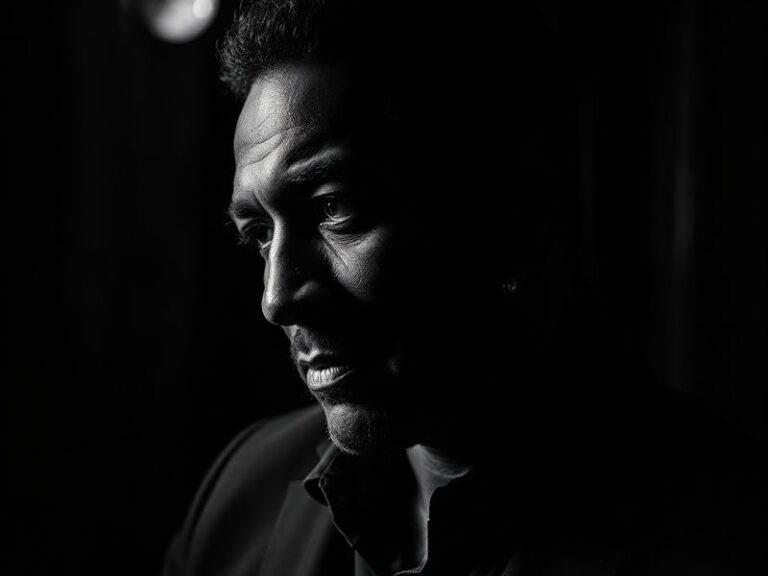
Doug Allan isn’t a household name, yet his work quietly permeates global conversations. A documentary filmmaker and underwater photographer, Allan has spent decades capturing the Earth’s most remote ecosystems. His lens has documented everything from Arctic ice floes to coral reefs teetering on collapse. While his name may not dominate headlines like a political figure or pop star, his influence is felt in environmental policy, education, and even corporate sustainability initiatives.
Born in Scotland and based in Canada, Allan’s career spans over 40 years. He first gained recognition for his work on BBC’s Blue Planet series, where his footage of polar bears and beluga whales became iconic. Yet Allan’s contributions extend beyond aesthetics. His documentaries have shaped international conservation efforts, and his images have been used in classrooms worldwide to teach climate science. In an era where misinformation spreads faster than facts, Allan’s work provides a rare, unfiltered window into the natural world.
The Evolution of a Visual Storyteller
Allan’s journey began in the 1970s, long before digital cameras or drones made nature photography accessible. He trained as a marine biologist before picking up a camera, a background that lent his work an uncommon depth. His early projects, like Polar Bear: Arctic King, blended scientific rigor with cinematic storytelling—something that set him apart from both scientists and filmmakers of his time.
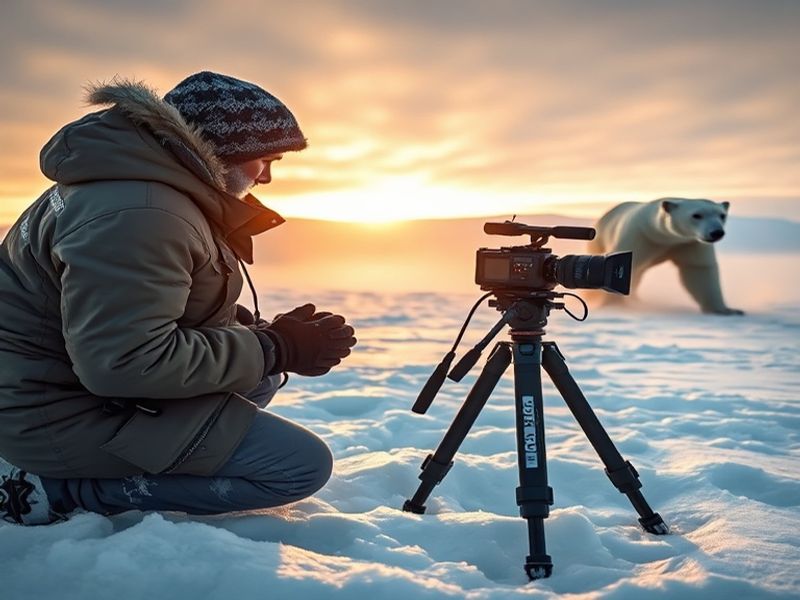
By the 1990s, Allan had transitioned from expedition films to mainstream television. His collaboration with David Attenborough on The Trials of Life cemented his reputation as a master of patience and precision. Allan would spend weeks submerged in freezing waters, waiting for the perfect shot. This dedication wasn’t just artistic; it was a testament to his belief that truth, when presented clearly, could drive change.
- 1970s: Begins as a marine biologist-turned-filmmaker
- 1980s: Gains attention with expedition documentaries
- 1990s: Collaborates with David Attenborough on BBC series
- 2000s-Present: Focuses on climate change and conservation
Cultural Impact: How Allan’s Work Crosses Borders
Allan’s influence isn’t confined to the West. In Japan, his footage of melting glaciers has been featured in school curricula, shaping how a generation views environmental responsibility. In Norway, where whaling remains a contentious issue, his documentaries have been cited in debates about marine conservation. Even in countries with limited access to Western media, Allan’s work has been distributed through NGOs and environmental organizations.
His 2019 series Climate Champions took a different approach. Instead of focusing solely on destruction, Allan highlighted individuals and communities fighting to preserve ecosystems. This shift reflected a growing trend in documentary filmmaking: solutions journalism. By showing progress alongside crisis, Allan made his work palatable to audiences resistant to bleak narratives. The series was translated into Spanish, Mandarin, and Arabic, reaching millions who might otherwise ignore environmental issues.
The Power of a Single Image
Few photographers can claim their work has altered policy. Allan is one of them. In 2016, his image of a starving polar bear—ribcage visible through patchy fur—was shared millions of times online. While some critics argued it sensationalized suffering, the image became a rallying point for climate activists. It was cited in the European Union’s 2017 ban on imported seal products and influenced corporate pledges to reduce plastic waste.
This duality—artistic integrity vs. advocacy—is a tension Allan navigates carefully. He avoids explicit calls to action in his films, preferring to let the images speak for themselves. Yet his refusal to shy away from hard truths has made him a polarizing figure. Some conservationists praise his ability to humanize abstract issues like ocean acidification. Others argue his work is too passive, failing to push viewers toward tangible solutions.
Legacy and the Future of Environmental Storytelling
At 72, Allan shows no signs of slowing down. His recent projects focus on the intersection of climate change and indigenous rights, particularly in the Arctic and Pacific Islands. He’s also mentoring a new generation of filmmakers, emphasizing the importance of scientific accuracy in storytelling. Yet the medium itself is evolving. Virtual reality, AI-generated imagery, and interactive documentaries are changing how audiences engage with environmental issues.
Allan has embraced some of these tools but remains skeptical of their overuse. “Technology can enhance a story,” he said in a 2021 interview, “but it can’t replace the human eye—or the human heart.” His skepticism reflects a deeper concern: that in the rush to innovate, the core purpose of documentary filmmaking—truth—might get lost.
Looking ahead, Allan’s legacy will likely be defined by two things. First, his ability to make the invisible visible—whether it’s the slow creep of glacier melt or the quiet resilience of a coral reef. Second, his insistence that storytelling must balance beauty and urgency. In an era where climate fatigue is real, Allan’s work reminds us that despair isn’t the only response to crisis—and that change often begins with a single, unforgettable image.
Where to Experience Allan’s Work
For those new to Allan’s films, several options exist beyond traditional TV broadcasts. His documentaries are available on platforms like Dave’s Locker’s Entertainment section, where curated collections highlight environmental and adventure films. Many of his projects are also archived by the David Suzuki Foundation, a Canadian nonprofit focused on sustainability.
If you’re interested in the technical side of his work, Allan has published two books: Underwater Photography: A Guide to Capturing the Ocean’s Beauty and Frozen in Time: The Arctic Through an Explorer’s Lens. These books offer a behind-the-scenes look at his process, from designing waterproof housing for cameras to navigating ethical dilemmas in the field.