Why Türkiye Matters: History, Economy, and Global Role Explored
“`html
Türkiye: A Bridge Between Continents and Cultures
Türkiye occupies a unique place in the world, straddling two continents while maintaining a cultural identity that blends tradition with modernity. Its strategic location between Europe and Asia has shaped its history, economy, and global influence. From ancient civilizations to contemporary geopolitics, the country remains a vital crossroads for trade, diplomacy, and cultural exchange.
The Historical Significance of Türkiye
The land now known as Türkiye has been a cradle of civilization for millennia. Home to some of the world’s earliest settlements, it witnessed the rise and fall of empires such as the Hittites, Phrygians, Lydians, and Byzantines. The Ottoman Empire, which spanned six centuries, left an indelible mark on the region’s architecture, cuisine, and governance. Today, remnants of these eras coexist with modern urban landscapes, creating a dynamic blend of old and new.
Archaeological sites like Göbekli Tepe, believed to be the world’s oldest temple, and the Hagia Sophia, a marvel of Byzantine engineering, highlight Türkiye’s deep historical roots. These sites attract millions of visitors annually, reinforcing the country’s status as a living museum of human history.
Economic and Geopolitical Influence
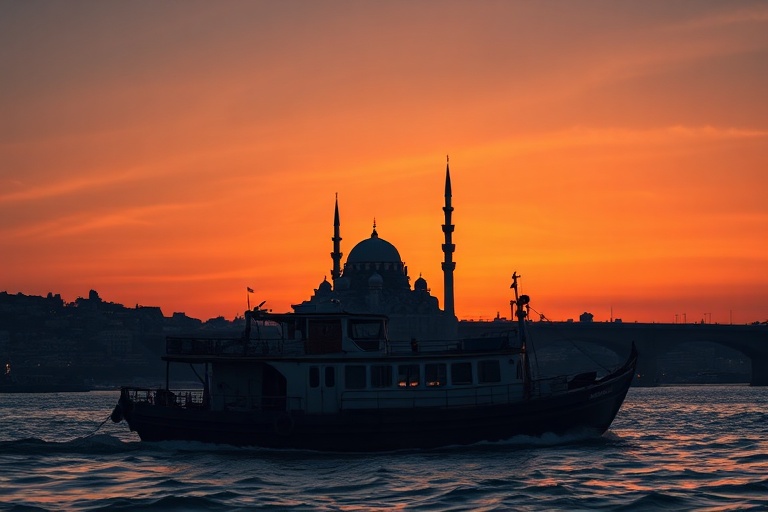
Türkiye’s economy is one of the largest in the region, driven by diverse industries such as automotive manufacturing, textiles, and agriculture. Istanbul, the country’s commercial hub, serves as a gateway between East and West, hosting major corporations and financial institutions. The Istanbul Stock Exchange and the city’s bustling Grand Bazaar underscore its role in global trade.
Geopolitically, Türkiye holds a pivotal position. It is a member of NATO and a candidate for European Union accession, though its relationship with the EU remains complex. The country’s foreign policy balances alliances with Western nations while maintaining ties with Russia, the Middle East, and Central Asia. This balancing act has positioned Türkiye as a mediator in regional conflicts, from the Syrian civil war to tensions between Armenia and Azerbaijan.
Key Economic Sectors in Türkiye
- Automotive: Home to major manufacturers like Toyota and Volkswagen, Türkiye produces over 1.5 million vehicles annually.
- Agriculture: The country is a top global producer of hazelnuts, figs, and tea, with fertile lands in regions like the Black Sea and Anatolia.
- Tourism: With attractions ranging from the beaches of Antalya to the ancient ruins of Ephesus, tourism contributes nearly 12% to the GDP.
- Energy: Türkiye’s strategic location makes it a key transit route for oil and gas pipelines, including the TurkStream and Baku-Tbilisi-Ceyhan pipelines.
Cultural Richness and Modern Identity
Türkiye’s cultural landscape is as diverse as its history. The country’s music, literature, and cuisine reflect a fusion of Anatolian, Ottoman, and Middle Eastern influences. Turkish cuisine, with dishes like kebabs, baklava, and Turkish delight, has gained global popularity. Meanwhile, Turkish television series, known as dizi, have amassed international followings, particularly in the Middle East and Europe.
The arts thrive in Türkiye’s vibrant cities. Istanbul, a UNESCO Creative City of Design, hosts events like the Istanbul Biennial and the Istanbul Film Festival. Traditional arts such as calligraphy, ceramics, and carpet weaving continue to thrive alongside contemporary art movements.
For those interested in exploring Türkiye’s cultural offerings, the Travel section of Dave’s Locker offers insights into must-visit destinations and experiences. Additionally, the Culture section provides deeper dives into the country’s artistic and historical heritage.
The Future of Türkiye: Challenges and Opportunities
Türkiye faces both opportunities and challenges as it navigates the 21st century. Economic growth has been robust in some sectors, but inflation and currency fluctuations remain persistent issues. The government’s ambitious infrastructure projects, such as the Istanbul Canal and the third airport, aim to bolster economic development but have sparked debates over environmental and social impacts.
On the global stage, Türkiye’s role in regional conflicts and its relationships with neighboring countries will continue to shape its future. The country’s ability to mediate disputes, such as the recent normalization of ties with Israel and the ongoing dialogue with Greece, will be critical in maintaining stability.
Environmental sustainability is another pressing concern. Türkiye is highly vulnerable to climate change, with rising temperatures and water scarcity threatening agricultural productivity. Efforts to transition to renewable energy sources, such as wind and solar power, are gaining momentum, but challenges remain in scaling up these initiatives.
Opportunities for Growth in Türkiye
- Renewable Energy: Türkiye has the potential to become a leader in wind and solar energy, with significant investments already underway in regions like the Aegean and Central Anatolia.
- Digital Transformation: The government’s push for digitalization in governance and education could enhance efficiency and innovation across sectors.
- Tourism Diversification: Expanding niche tourism, such as eco-tourism and cultural tourism, could reduce reliance on mass tourism and create sustainable income sources.
- Education Reform: Investing in STEM education and vocational training could address the skills gap and prepare the workforce for future industries.
Conclusion
Türkiye’s significance extends far beyond its geographic boundaries. It is a nation where history and modernity intersect, where economic ambitions meet geopolitical realities, and where cultural richness is celebrated alongside pressing challenges. As the country continues to evolve, its ability to balance tradition with progress will determine its role in shaping the future of the region and the world.
For travelers, scholars, and business leaders alike, Türkiye offers a wealth of opportunities to explore, engage, and collaborate. Whether it’s the allure of its ancient ruins, the dynamism of its cities, or the warmth of its people, Türkiye remains a destination that captivates and inspires.