<h2>What Defines an Air Show: More Than Just Flying Machines</h2>
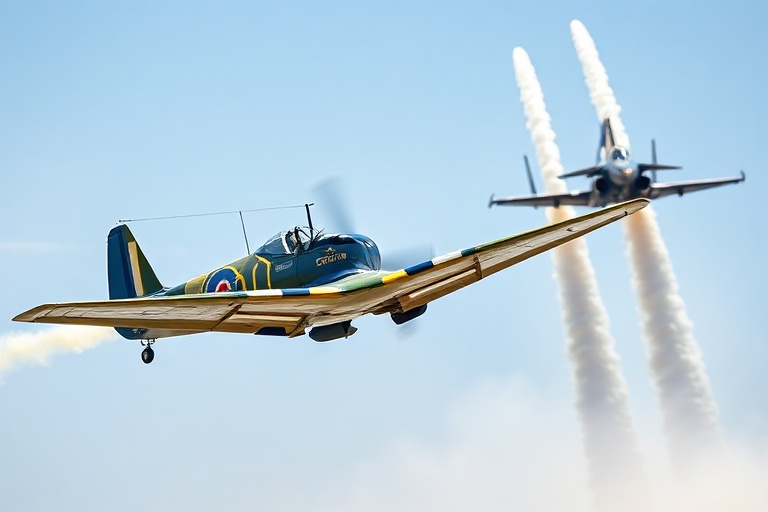
<p>The roar of jet engines splits the sky, followed by a synchronized ballet of aerobatics performed by pilots in vintage warbirds and cutting-edge fighter jets. Air shows transform open fields and coastal runways into temporary stages where engineering marvels meet human precision. These events blend aviation history, military tradition, and modern spectacle, drawing crowds from rural towns to major metropolitan areas. For some attendees, the appeal lies in the raw power of afterburners. For others, it’s the nostalgia of seeing a 1940s Spitfire still slicing through the air.</p>

<p>Air shows exist in nearly every corner of the world, from the sun-baked tarmac of Red Flag exercises in Nevada to the historic skies above Farnborough in the United Kingdom. They serve multiple purposes: recruiting future pilots, showcasing national defense capabilities, celebrating technological progress, and simply inspiring wonder. Yet despite their global presence, each event carries its own cultural DNA—shaped by local history, national pride, and even geopolitical context. In France, air shows often highlight aerobatic teams like the Patrouille de France. In the United States, events such as EAA AirVenture Oshkosh function as both family festivals and industry hubs where engineers and hobbyists exchange ideas.</p>

<h2>The Anatomy of an Air Show: What Visitors Actually See</h2>
<p>Walking onto an air show grounds is like entering a living museum under open sky. The layout typically begins with static displays—rows of aircraft parked nose-to-tail, their fuselages gleaming under the sun. Visitors can climb into cockpits, touch fuselage rivets, and chat with pilots who often volunteer their time. These static exhibits aren’t just for looks; they’re educational platforms where families learn about lift, thrust, and the evolution of aviation design.</p>

<p>Beyond static displays, the program unfolds in three acts: flying demonstrations, aerial competitions, and heritage flights. Flying demonstrations showcase modern aerobatics, with pilots executing maneuvers like the Cobra, the Kulbit, and high-G rolls. Aerial competitions—common in Europe—pit skilled aviators against each other in precision flying challenges judged on accuracy and style. Heritage flights, meanwhile, are emotional centerpieces where restored warbirds recreate historic dogfights or formation flights from World War II and Korea. These flights don’t just honor the past; they preserve living connections to aviators who flew in eras before digital cockpits.</p>

<p>Large-scale shows also feature civilian aircraft competitions, drone demonstrations, and sometimes even spaceflight-related exhibits, reflecting the growing overlap between aviation and aerospace. The Paris Air Show, for instance, now regularly hosts startups pitching electric vertical takeoff concepts, signaling how air shows are evolving into innovation showcases.</p>

<h2>Why Air Shows Matter: Culture, Commerce, and Community</h2>
<p>Air shows are more than entertainment. They are cultural rituals that reinforce national identity. In Russia, events like the MAKS Air Show in Zhukovsky serve as platforms for showcasing domestic aerospace achievements amid geopolitical tension. In India, Aero India in Bengaluru has become a diplomatic tool, drawing defense ministers and CEOs to negotiate contracts under the wings of Tejas fighters and C-17 Globemasters. These shows aren’t just about selling jets—they’re about projecting soft power and asserting technological sovereignty.</p>

<p>Commercially, air shows are vital to the aviation industry. Manufacturers unveil new models, airlines negotiate deals, and MRO (Maintenance, Repair, and Overhaul) companies scout for business. Farnborough and Le Bourget have long been considered the Olympics of aerospace commerce. Even smaller shows like Oshkosh’s EAA AirVenture generate millions in local tourism revenue, supporting hotels, restaurants, and regional airports.</p>

<p>Community impact is equally significant. Air shows often partner with schools to inspire STEM education. Programs like the “Young Eagles” initiative at Oshkosh offer free flights to children, planting seeds for future engineers and pilots. In rural areas, air shows become annual gatherings that strengthen local identity—think of the Goodwood Festival of Speed in England, where classic cars and historic aircraft share the spotlight, blending aviation with automotive heritage.</p>

<h2>Controversies and Challenges: The Darker Side of the Sky</h2>
<p>Despite their popularity, air shows face criticism on multiple fronts. Environmental groups often protest the carbon footprint of large aircraft performing repeated flybys. A single F-35 demonstration sortie can emit several tons of CO₂, raising questions about sustainability in the era of climate awareness. Some European shows have responded by limiting jet displays or replacing them with electric aircraft demonstrations.</p>

<p>Safety remains a constant concern. While rare, fatal accidents do occur, particularly during practice sessions. The 2016 Shoreham Airshow crash in the UK, where a Hawker Hunter crashed into traffic, led to stricter regulations and calls for improved crowd control measures. Event organizers now enforce buffer zones, mandatory briefings, and real-time weather monitoring to mitigate risks.</p>

<p>Ethical debates also surface around military recruitment messaging. Critics argue that air shows, especially those hosted by air forces, glorify warfare and normalize military spending. In response, many shows now include civilian and humanitarian aviation segments—such as medevac helicopters and firefighting tankers—to balance the narrative and appeal to broader audiences.</p>

<h2>How to Experience an Air Show: Tips for First-Timers</h2>
<p>Attending an air show for the first time can feel overwhelming. With multiple flight lines, vendor tents, and demonstration zones, planning ahead is essential. Here’s a practical guide for making the most of the experience:</p>

<ul>
  <li><strong>Arrive early.</strong> Gates open hours before flying begins. Early arrivals mean better parking, shorter lines, and time to explore static displays without crowds.</li>
  <li><strong>Download the official app.</strong> Most major shows now offer apps with schedules, maps, and real-time updates. These tools help navigate large venues efficiently.</li>
  <li><strong>Bring ear protection.</strong> Jet noise can exceed 120 decibels—louder than a rock concert. Disposable earplugs or noise-canceling headphones are essential for comfort and hearing protection.</li>
  <li><strong>Check the weather.</strong> Wind, rain, and visibility affect flight schedules. Some shows post updates every 30 minutes during the event.</li>
  <li><strong>Talk to pilots and crew.</strong> Many are happy to share stories—especially in the static display area. Ask about restoration challenges or what it’s like to fly a particular aircraft.</li>
</ul>

<p>For families, look for shows that include interactive zones, flight simulators, or drone racing pits. These areas keep younger visitors engaged beyond the main airshow program. Some events, like the Abbotsford International Airshow in Canada, host evening concerts featuring major artists, turning aviation into a full-day cultural festival.</p>

<h2>The Future of Air Shows: Drones, Electric Flight, and Digital Integration</h2>
<p>The next generation of air shows is being written in code and electric current. Drone swarms—once a novelty—are now headline acts, choreographed to music and synchronized with LED lighting. Shows like Dubai Airshow have featured swarms of 300 drones forming the UAE flag or a flying elephant, pushing the boundaries of aerial robotics.</p>

<p>Electric aircraft are also entering the spotlight. Companies like Pipistrel and Heart Aerospace are developing clean-sheet electric trainers and regional airliners. While these aircraft currently lack the power for high-G aerobatics, their presence at air shows signals a shift toward sustainable aviation. Expect to see more hybrid-electric demonstrators in the coming decade.</p>

<p>Digital integration is transforming the fan experience. Augmented reality apps now overlay flight data onto smartphones, letting viewers track G-forces in real time or see a pilot’s point of view during a maneuver. Some shows even stream cockpit audio, giving audiences a pilot’s perspective of the sky.</p>

<p>Yet despite all this innovation, the core magic of air shows remains unchanged: the visceral thrill of watching human beings defy gravity in machines they’ve built with their own hands. As long as there are skies to conquer and stories to tell, the spirit of the air show will endure—evolving, but never losing its soul.</p>

<h2>The Last Landing</h2>
<p>Air shows are living archives of human ambition. They celebrate the past, showcase the present, and hint at the future—all in a single afternoon under the open sky. Whether you’re watching a 90-year-old pilot land a biplane or a drone swarm spell out “THANK YOU,” these events remind us that flight is not just technology. It’s poetry in motion.</p>
<p>And sometimes, that’s all you need to lift the spirit skyward.</p>

<!-- Internal link example -->
<p>For more on aviation history and culture, visit our <a href="/category/entertainment/">Entertainment</a> section.</p>

<!-- Metadata section -->
---
METADATA
{
  "title": "Air Shows: The Global Culture of Flight, Power, and Spectacle",
  "metaDescription": "From aerobatics to aerospace deals, explore how air shows blend entertainment, history, and innovation worldwide.",
  "categories": ["Entertainment", "Travel"],
  "tags": ["aviation events", "aerobatics", "airshow culture", "military aviation", "flying displays"],
  "imageDescription": "A vibrant aerial shot of a vintage Spitfire and modern F-35 performing a synchronized flyby over a grassy airfield, with crowds below and vintage cars lined up on the tarmac. The sky is clear, the sun is low, casting long shadows—capturing the energy and nostalgia of a classic air show."
}
---END METADATA---