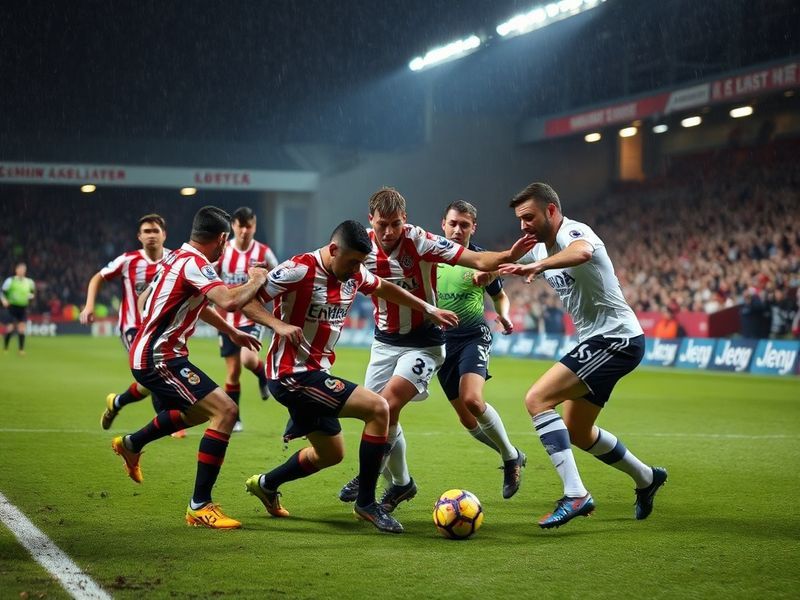
In the competitive landscape of Middle Eastern football, Al Ahli stands out not for its noise, but for its consistency. Founded in 1937 in Jeddah, Saudi Arabia, the club has quietly built a legacy that blends tradition with modern ambition. While global attention often focuses on Europe’s elite or the glitz of Qatar’s sports investments, Al Ahli has steadily carved its own path—balancing domestic success, youth development, and regional influence.
The Foundation of a Legacy
Al Ahli’s story begins over eight decades ago, rooted in the heart of Jeddah. Originally established as a community club, it grew into one of Saudi Arabia’s most respected institutions. Unlike clubs born from royal patronage or corporate wealth, Al Ahli’s strength came from its grassroots identity. Its name, meaning “The National” in Arabic, reflects its deep connection to Saudi society.
The club’s early years were defined by local dominance. By the 1970s, Al Ahli had become a regular contender in the Saudi First Division, laying the groundwork for future success. This period established a culture of resilience—one that would define the club’s approach in the decades to come. Rather than chasing short-term fame, Al Ahli invested in infrastructure, youth academies, and community engagement.
Today, the club’s training complex in Jeddah is considered one of the most advanced in the region. The facility includes multiple pitches, medical centers, and educational programs for young players. This long-term vision has paid dividends, producing talents who have gone on to represent Saudi Arabia at the international level.
On-Field Success and Strategic Evolution
Al Ahli’s competitive achievements are well-documented. The club has won the Saudi Professional League multiple times, most recently in 2016, and has claimed the King’s Cup on several occasions. Yet, its greatest impact may lie in how it adapted to changing football landscapes without losing its core identity.
In the late 2000s and early 2010s, as Saudi football faced financial challenges and fluctuating standards, Al Ahli remained a beacon of stability. While rivals splurged on expensive imports, the club maintained a balanced approach—prioritizing homegrown talent alongside strategic foreign signings. This philosophy ensured competitiveness without sacrificing financial sustainability.
Off the pitch, Al Ahli has embraced innovation. The club was an early adopter of data analytics in player recruitment and performance tracking. By integrating technology with traditional scouting methods, it optimized squad building—a strategy that has since been adopted by larger Saudi clubs. This forward-thinking mindset extends to fan engagement, with digital platforms used to strengthen the connection between the team and its supporters.
Key Achievements in Brief
- 8 Saudi Professional League titles
- 6 King’s Cup victories
- 3 Crown Prince Cup wins
- 2 Saudi Super Cup titles
- Consistent qualification for AFC Champions League
The Broader Implications for Saudi Football
Al Ahli’s influence extends beyond trophies and rankings. Its approach to club management offers a blueprint for sustainable success in a region where football often mirrors broader economic volatility. By focusing on youth development and financial prudence, the club has demonstrated that ambition does not require reckless spending.
This model has gained relevance as Saudi Arabia positions itself as a global football hub. The Saudi Pro League’s recent investment surge, led by PIF-backed clubs like Al Hilal and Al Nassr, has raised questions about competitive balance. Yet, Al Ahli’s continued relevance serves as a reminder that tradition and strategy can still thrive in an era of super-clubs and billion-dollar deals.
Moreover, Al Ahli plays a critical role in Saudi football’s soft power. As one of the country’s most recognizable clubs, it helps project a positive image of Saudi sports culture. Its international partnerships—including tours and friendlies with clubs from Africa, Asia, and Europe—have expanded the club’s global footprint while fostering cross-cultural exchange.
Challenges and Future Outlook
Despite its strengths, Al Ahli faces challenges. The rise of state-backed super-clubs has intensified competition for titles and talent. Financial disparities between Saudi clubs are growing, and Al Ahli must navigate this reality without compromising its principles. Additionally, the club must address fan expectations—especially younger supporters who are increasingly drawn to the spectacle of high-profile signings.
Yet, Al Ahli’s leadership has shown a willingness to adapt without abandoning its core values. Recent efforts to modernize the squad while maintaining a strong academy system suggest a balanced approach. The appointment of experienced technical directors and the integration of sports science have further strengthened the club’s infrastructure.
Looking ahead, Al Ahli’s future may hinge on its ability to innovate while preserving its identity. The club’s next chapter could involve deeper regional integration, perhaps through expanded participation in pan-Arab competitions. There is also potential for Al Ahli to become a gateway for Saudi players seeking experience before moving to Europe—a role currently dominated by clubs like Al Shabab and Al Hilal.
What’s Next for Al Ahli?
- Enhanced youth academy programs with international partnerships
- Strategic player recruitment balancing cost and potential
- Expansion of digital fan engagement platforms
- Potential participation in new regional tournaments
- Increased focus on women’s football development
Al Ahli’s journey is a testament to the power of patience and principle in football. In an era where clubs are often judged by their spending power or viral moments, Al Ahli thrives on quiet excellence. Its story is not one of overnight transformation, but of steady progress—one that offers valuable lessons for clubs across the Middle East and beyond.
As Saudi football continues its rapid evolution, Al Ahli’s role as a stabilizing force remains vital. Whether through producing homegrown talent, setting standards in club management, or representing Saudi football with dignity, Al Ahli proves that success does not always roar. Sometimes, it just keeps playing.
For fans and analysts alike, Al Ahli is more than a football club. It is a symbol of what consistent vision can achieve in a sport often defined by fleeting trends.
Explore more on football and regional sports through our dedicated coverage: