What Does the Pennsylvania Attorney General Do?
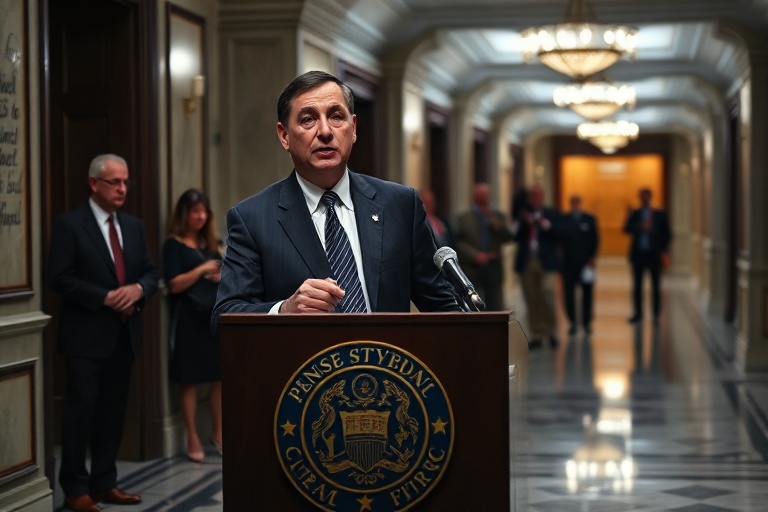
The Attorney General of Pennsylvania serves as the state’s chief legal officer, representing the commonwealth in legal matters and ensuring the enforcement of state laws. This elected position carries significant responsibility, overseeing a vast array of responsibilities that extend from consumer protection to criminal prosecution. The office operates under the Pennsylvania Constitution, which grants the Attorney General broad authority to act independently in matters of public interest.
The office is divided into several key divisions, each focusing on distinct areas of law. These include the Criminal Law Division, which handles major felony cases, the Civil Rights Enforcement Section, which combats discrimination, and the Bureau of Consumer Protection, which safeguards residents from fraudulent practices. Additionally, the Attorney General’s office collaborates with local law enforcement agencies to tackle issues such as drug trafficking, human trafficking, and cybercrime.
Unlike some states where the Attorney General is appointed, Pennsylvania’s Attorney General is directly elected by voters every four years. This democratic process ensures the office remains accountable to the public, though it also introduces the potential for political influence over legal decisions. The elected official must balance legal obligations with the expectations of constituents, a dynamic that has occasionally led to controversy.
Historical Context and Evolution of the Office
The role of Pennsylvania’s Attorney General has evolved significantly since its inception in 1776, when the state first established the position under its original constitution. Initially, the Attorney General served primarily as a legal advisor to the state government, with limited prosecutorial powers. Over time, the office’s responsibilities expanded, particularly in response to social and economic changes.
One of the most notable periods of transformation occurred during the 20th century, as federal laws began to intersect more frequently with state-level enforcement. The office played a crucial role in landmark cases, such as the prosecution of corrupt officials and the enforcement of civil rights legislation. In the 1970s, the Attorney General’s authority was further solidified with the creation of dedicated bureaus to address consumer protection and environmental violations.
Recent decades have seen the office take on high-profile cases, including those involving the opioid crisis, corporate misconduct, and public corruption. These cases have not only shaped the office’s reputation but have also influenced public trust in the legal system. The Attorney General’s ability to navigate complex legal landscapes while addressing the pressing concerns of Pennsylvanians remains a defining challenge of the role.
Key Milestones in Pennsylvania’s Attorney General History
- 1776: The office is established under Pennsylvania’s original constitution, with the Attorney General serving as a legal advisor to the state.
- 1867: The office gains expanded authority to prosecute criminal cases, marking a shift toward a more active role in law enforcement.
- 1929: The first dedicated Consumer Protection Bureau is created to address fraudulent business practices.
- 1970s: New divisions are established to enforce environmental laws and civil rights protections.
- 2010s: The office takes a leading role in combating the opioid epidemic and pursuing cases against pharmaceutical companies.
Controversies and Challenges Facing the Office
The Attorney General’s office in Pennsylvania has not been without its share of controversies. Political polarization has occasionally seeped into the office, with critics arguing that some Attorneys General have pursued cases for partisan gain rather than legal merit. High-profile clashes with other state officials, including governors and legislators, have further fueled debates about the office’s independence.
One of the most contentious issues in recent years has been the office’s handling of sexual abuse cases, particularly those involving allegations against powerful institutions such as the Catholic Church. The Attorney General’s office has faced scrutiny over its approach to these cases, with some accusing it of being too aggressive or not aggressive enough. The landmark grand jury report released in 2018, which detailed widespread abuse within the church, underscored the office’s role in addressing systemic failures and holding institutions accountable.
Another challenge is the office’s relationship with local law enforcement. While collaboration is essential for effective law enforcement, disagreements over jurisdiction, resources, and priorities can create friction. The opioid crisis has further strained these relationships, as the Attorney General’s office often takes the lead in prosecuting pharmaceutical companies while local agencies bear the brunt of responding to overdoses.
Notable Controversies Involving Pennsylvania’s Attorney General
- 2016 Election Interference Allegations: The office was criticized for its role in investigating then-candidate Josh Shapiro for alleged conflicts of interest, which Shapiro denied.
- 2018 Grand Jury Report on Catholic Church Abuse: The report revealed widespread abuse and cover-ups, leading to calls for institutional reform and legal action.
- Opioid Litigation: The office has faced challenges in balancing aggressive litigation against pharmaceutical companies with the need to secure resources for addiction treatment programs.
- Political Disputes with Local Officials: Tensions have arisen over the office’s authority to intervene in local cases, particularly in matters involving municipal corruption.
Why the Role Matters Beyond Pennsylvania’s Borders
The decisions made by Pennsylvania’s Attorney General can have far-reaching implications, not just within the state but across the nation. The office’s actions in areas such as consumer protection, environmental law, and public corruption often set precedents that other states follow. For example, Pennsylvania was among the first states to sue pharmaceutical companies over their role in the opioid crisis, a move that inspired similar actions nationwide.
The office also plays a critical role in shaping national legal trends. Cases involving civil rights, voting rights, and corporate accountability often begin at the state level before gaining broader attention. The Attorney General’s ability to leverage resources and expertise can amplify the impact of these cases, influencing federal policy and enforcement priorities.
Moreover, Pennsylvania’s status as a battleground state in national elections adds another layer of significance to the role. The Attorney General’s office can influence voter access, election integrity, and post-election legal challenges. This dynamic has made the office a focal point in discussions about the intersection of law and politics, particularly in an era of heightened partisan tensions.
Broader Implications of Pennsylvania’s Attorney General Role
- National Precedent Setting: Pennsylvania’s legal actions often serve as models for other states, particularly in areas like opioid litigation and consumer protection.
- Federal-State Collaboration: The office frequently works with federal agencies such as the Department of Justice, shaping national enforcement strategies.
- Election Integrity: The Attorney General’s role in overseeing elections and addressing voter fraud allegations can influence the outcome of national races.
- Corporate Accountability: High-profile cases against major corporations can lead to industry-wide reforms and increased regulatory scrutiny.
- Public Trust in Institutions: The office’s handling of high-stakes cases, such as those involving institutional abuse, can either restore or erode public confidence in legal and social systems.
Conclusion: The Future of Pennsylvania’s Attorney General
As Pennsylvania continues to navigate complex legal and social challenges, the role of the Attorney General remains as critical as ever. The office’s ability to balance legal obligations with public expectations will determine its effectiveness in the years to come. With issues such as climate change, technological disruption, and social inequality reshaping the legal landscape, the Attorney General’s office must adapt to meet these evolving demands.
For voters, the choice of Attorney General carries significant weight. The elected official must possess not only legal expertise but also the political acumen to navigate contentious issues without compromising the office’s integrity. As Pennsylvania grapples with these challenges, the Attorney General’s role will continue to be a bellwether for the state’s commitment to justice, accountability, and the rule of law.
Ultimately, the office serves as a reminder that the law is not an abstract concept but a living force that shapes the daily lives of Pennsylvanians. Whether through prosecuting criminals, protecting consumers, or defending civil rights, the Attorney General stands at the intersection of power and responsibility, a role that demands both vigilance and wisdom.
For more insights into Pennsylvania’s legal landscape, explore our Politics and News categories on Dave’s Locker.