Basketball Fouls Explained: Rules, Variations, and Global Impact
“`html
Understanding Basketball Fouls: Rules, Consequences, and Global Variations
The whistle blows sharply. Players freeze. The scoreboard flashes a foul call. Basketball fouls are more than just interruptions—they shape the flow of the game, influence strategy, and sometimes spark controversy. Whether it’s a hard foul in the paint or a questionable reach in transition, fouls can change the momentum of a match instantly. But what exactly constitutes a foul? How do different leagues around the world interpret the rules? And how do cultural attitudes toward physicality shape the way fouls are called?
Basketball’s foul system is designed to balance aggression with fairness. Too many fouls lead to penalties; too few allow for reckless play. The rules have evolved over time, reflecting changes in the sport’s speed, athleticism, and global expansion. From the NBA’s physical battles in the paint to the more fluid, less-contact-oriented styles of European basketball, fouls are interpreted differently across leagues—and even within them.
The Anatomy of a Foul: What Counts and Why
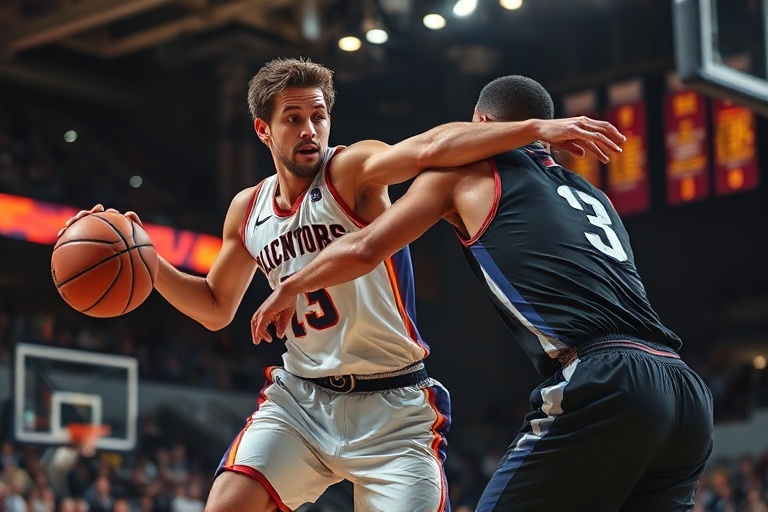
A foul in basketball occurs when a player makes illegal physical contact with an opponent. The rules, outlined in the official FIBA and NBA rulebooks, define several types of fouls, each with distinct consequences. Personal fouls are the most common, accumulating until a player reaches a limit (five in FIBA, six in the NBA), at which point they’re disqualified. Team fouls, tracked separately, lead to free throws for the opposing team once a threshold is reached.
Common foul types include:
- Personal Foul: Illegal contact such as pushing, holding, or blocking an opponent. This includes charging into a stationary defender.
- Shooting Foul: Occurs when a player is fouled while in the act of shooting. The fouled player gets free throws, with the number depending on the shot’s location.
- Loose Ball Foul: Contact during a scramble for a ball that’s out of bounds or in mid-air.
- Flagrant Foul: Violent or dangerous contact, such as a hard shove or elbow to the head. Results in free throws and possession for the offended team, with possible ejection.
- Offensive Foul: Illegal contact initiated by the offensive player, such as charging into a defender or setting an illegal screen.
Referees use a combination of positioning, intent, and outcome to determine whether a foul occurred. A clean block might look similar to a foul, but the difference often lies in whether the defender established legal guarding position before contact. This nuance leads to debates—especially in fast-paced games where split-second decisions matter.
How Leagues Around the World Call Fouls Differently
Basketball is a global sport, played from the streets of Manila to the arenas of Madrid. But the way fouls are called varies significantly by league and region, influenced by style of play, referee training, and cultural expectations. The NBA, known for its physicality and emphasis on high-flying offense, has historically tolerated more contact in the paint. This has led to complaints from international players about the league’s leniency toward rough play.
In contrast, FIBA—governing body of international basketball—has pushed for a faster, less-physical game. Rule changes in recent years have emphasized freedom of movement, making it harder for defenders to impede offensive players without drawing fouls. The 2018 FIBA rulebook introduced stricter definitions of blocking fouls and limited defensive contact in the restricted area (the paint). These changes aimed to reduce stoppages and encourage continuous play, aligning with the sport’s global shift toward fluidity.
European leagues like Spain’s Liga ACB and Turkey’s Basketbol Süper Ligi tend to follow FIBA rules closely, though local interpretations can vary. In Asia, leagues such as the Philippine Basketball Association (PBA) and the Chinese Basketball Association (CBA) often reflect a blend of FIBA standards and regional adaptations. For example, the PBA is known for its physical, high-scoring style, where referees sometimes allow more body contact to keep the game fast-paced and engaging for fans.
These differences aren’t just technical—they reflect deeper cultural attitudes toward competition and athleticism. In the United States, basketball’s physicality is celebrated as part of the game’s intensity. In Europe, there’s a stronger emphasis on skill and spacing, with fouls called more strictly to prevent disruptions. These variations create challenges for players transitioning between leagues, as their instincts for what constitutes a foul may not always align with local expectations.
The Psychology of Fouls: Why Players Push the Limits
Fouls aren’t just about the rules—they’re about strategy, psychology, and even gamesmanship. Players often use fouls to disrupt an opponent’s rhythm, force turnovers, or gain an advantage in transition. A well-timed reach might draw a foul, sending the opponent to the bench or giving the fouling team a chance to reset defensively. Conversely, players must avoid fouling themselves, as too many can lead to disqualification or put their team at a disadvantage.
Referees face a constant challenge: balancing the enforcement of rules with maintaining the game’s flow. A whistle that comes too late can lead to hard feelings or even alter the outcome of a game. Too many fouls called, however, can turn an exciting match into a slog of free throws and stoppages. This tension is particularly evident in high-stakes games, where a single foul call can determine a championship.
The psychology extends beyond the court. Players and coaches often lobby referees, using subtle cues or even overt protests to influence calls. In some leagues, this behavior is accepted as part of the game; in others, it’s met with strict penalties. The NBA, for instance, has implemented rules to limit “flopping”—simulated fouls designed to draw penalties—which has become a controversial tactic in its own right.
For fans, fouls can be a source of frustration or excitement. A hard foul that stops a fast break might frustrate one team but energize the crowd. Meanwhile, a questionable reach that leads to a foul might spark debates long after the final buzzer. The emotional weight of fouls highlights their role not just as rule enforcements, but as pivotal moments that shape the narrative of a game.
The Future of Fouls: Technology and Rule Changes
Basketball is evolving, and so are the rules around fouls. The introduction of instant replay and video review has changed how referees make calls, particularly in high-stakes situations like the final minutes of a game. Leagues are also experimenting with rule changes to reduce physicality and speed up play. For example, the NBA’s recent experiments with no-charge zones near the basket aim to reduce collisions and improve safety.
Another area of innovation is referee training. FIBA and the NBA have invested in technology-driven programs to standardize foul calls across leagues. These programs use video analysis and virtual reality to help referees recognize illegal contact more consistently. The goal is to reduce human error and ensure that fouls are called fairly, regardless of where the game is played.
As basketball continues to grow globally, the conversation around fouls will likely expand beyond the court. Questions about player safety, fairness, and the integrity of the game will shape future rule changes. For now, fans can expect to see a mix of tradition and innovation—where the whistle still blows, but the way it’s interpreted might change from one league to the next.
Conclusion
Basketball fouls are more than just penalties—they’re a reflection of the sport’s culture, strategy, and evolution. Whether it’s the physical battles of the NBA, the fluidity of European basketball, or the high-scoring intensity of Asian leagues, fouls are called differently around the world. As technology and rule changes reshape the game, the balance between aggression and fairness will continue to be a topic of debate. For players, coaches, and fans alike, understanding fouls is key to appreciating the nuances of basketball at every level.
For those looking to dive deeper into the sport, exploring leagues like the NBA and FIBA offers a fascinating glimpse into how fouls shape the game globally. And whether you’re playing pickup or watching a championship match, one thing is certain: the whistle will always be ready to blow.