Locating polling stations has become a critical task for voters in every election cycle. Whether you’re casting your ballot in a local primary or a national general election, knowing where to go is the first step in making your voice heard. The process can vary significantly depending on your location, the type of election, and even the time of year. This guide breaks down everything you need to know about finding polling stations near you, what to expect when you arrive, and how to prepare for a smooth voting experience.
Why Finding Your Polling Station Matters
Your polling station is more than just a building—it’s the physical location where your vote transforms from an intention into an official record. Missing your polling station can result in a provisional ballot or, in some cases, an inability to vote at all. This is especially important in states with strict voter ID laws or limited polling locations, where long lines and confusion can deter participation.
Recent election cycles have highlighted the importance of knowing your polling place. During the 2020 general election, for example, many voters encountered unexpected closures or changes due to the pandemic. While some adjustments were temporary, others became permanent, forcing voters to relearn their precinct boundaries. Even in non-election years, local governments may consolidate or relocate polling places to save costs or improve efficiency. Staying informed ensures you’re not caught off guard when it’s time to vote.
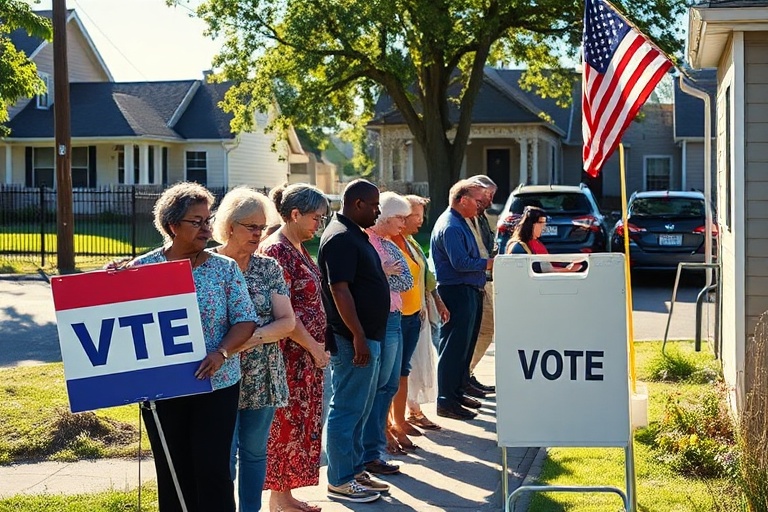
Beyond logistical concerns, your polling station is part of your community. It’s often a school, community center, or local government building that plays a role in neighborhood life year-round. Recognizing this space fosters a sense of civic engagement and reminds voters that elections are not abstract events but tangible processes tied to real places.
How to Find Your Polling Station
Fortunately, there are several reliable ways to locate your polling station, regardless of where you live. The most straightforward method is to use your state or county’s official election website. These sites typically offer a polling place lookup tool where you enter your address to find your designated station. For example, California’s Secretary of State website provides this service, as do most other states.
If you prefer a more interactive approach, many counties now offer polling place locators through their registrar of voters or county clerk’s office. These tools often include additional details such as:
- Accessibility features (e.g., wheelchair ramps, large-print ballots)
- Hours of operation and wait times
- Sample ballots so you can review your choices in advance
- Directions and parking information
For voters who don’t have reliable internet access, election officials provide phone hotlines. The U.S. Election Assistance Commission offers a national helpline at 1-866-OUR-VOTE (1-866-687-8683) to assist with polling place inquiries. This service is particularly valuable for elderly voters or those with disabilities who may need extra guidance.
Another option is to check with local political organizations or advocacy groups. Groups like the League of Women Voters often maintain updated lists of polling places and can help voters navigate the process. Nonpartisan organizations like Vote.org also provide polling location tools and reminders via text message.
What to Bring and What to Expect
Once you’ve confirmed your polling station, the next step is preparing for your visit. Most states require voters to bring some form of identification, though the specific requirements vary widely. For example:
- Strict ID States (e.g., Georgia, Indiana, Kansas): Voters must present a government-issued photo ID, such as a driver’s license, passport, or state ID card.
- Photo ID Optional States (e.g., Florida, South Dakota): Voters can show ID but are not required to. If they don’t, they may need to sign an affidavit or have their identity verified by a poll worker.
- No ID States (e.g., California, Illinois, New York): Voters can sign a poll book or provide the last four digits of their Social Security number to verify their identity.
Even if your state doesn’t require ID, bringing one can streamline the process. Poll workers may ask for additional information, such as your full name, address, or date of birth, so having your voter registration card or a utility bill with your name and address can be helpful. If you’ve recently moved, double-check that your voter registration is up to date to avoid issues at the polls.
When you arrive at your polling station, expect to see a mix of election officials, volunteers, and fellow voters. Poll workers will verify your eligibility, often by checking a printed or digital poll book. This process can take a few minutes if the location is busy. Some polling places use electronic poll books, which can speed up check-in but may occasionally glitch.
Once checked in, you’ll receive your ballot and be directed to a voting booth. If you’re voting in person for the first time, poll workers can guide you through the process. In many states, you can request a paper ballot or use a voting machine, depending on the county’s equipment. After completing your ballot, follow the instructions to cast it—either by inserting it into a scanner or handing it to a poll worker.
Early Voting and Alternatives to In-Person Voting
Not everyone can—or wants to—vote in person on Election Day. Fortunately, many states offer early voting periods, which can be more convenient and often less crowded. Early voting typically takes place in designated locations, such as county election offices or community centers, for a set number of days before the election. For example, Texas allows early voting for 12 days leading up to Election Day, while California offers up to 10 days of early voting.
To find early voting locations near you, check your state’s election website or contact your county clerk’s office. Some states also allow voters to request a mail-in ballot without an excuse, which can be returned by mail or dropped off at secure drop boxes or election offices. This option is particularly useful for voters with disabilities, those who travel frequently, or anyone concerned about long lines on Election Day.
If you’re unsure about your eligibility for mail-in voting, resources like Dave’s Locker Elections section provide state-by-state guidelines. Remember that deadlines for mail-in ballots vary, so request and return your ballot well in advance of Election Day to avoid complications.
Common Issues and How to Address Them
Even with careful preparation, problems can arise at polling stations. Long wait times are a frequent complaint, especially in urban areas or swing states where turnout is high. To mitigate this, some states have expanded early voting and mail-in options, while others have increased the number of polling places. If you encounter a long line, check if your state allows you to leave and return later without losing your place in line.
Another common issue is voter intimidation or misinformation. Poll workers are trained to assist voters, but if you feel harassed or pressured, you can report the incident to the Election Protection hotline at 1-866-OUR-VOTE. This nonpartisan coalition monitors polling places and provides legal assistance to voters facing obstacles.
Technical difficulties with voting machines can also cause delays. Most machines have backup paper ballots, but if a machine malfunctions, poll workers should offer you an alternative. If you suspect an issue with the equipment, ask to speak to the site supervisor or report the problem to your county election office.
Making Your Voice Heard
Your polling station is more than just a location—it’s a gateway to civic participation. By taking the time to locate your polling place, prepare the necessary documents, and understand the process, you ensure that your vote is counted and your voice is heard. Whether you vote early, by mail, or on Election Day, your effort contributes to the democratic process that shapes our communities, our country, and our future.
Elections are decided by those who show up. Don’t let logistical hurdles stand between you and the ballot box. Start by finding your polling station today, and take the first step toward making your vote count.