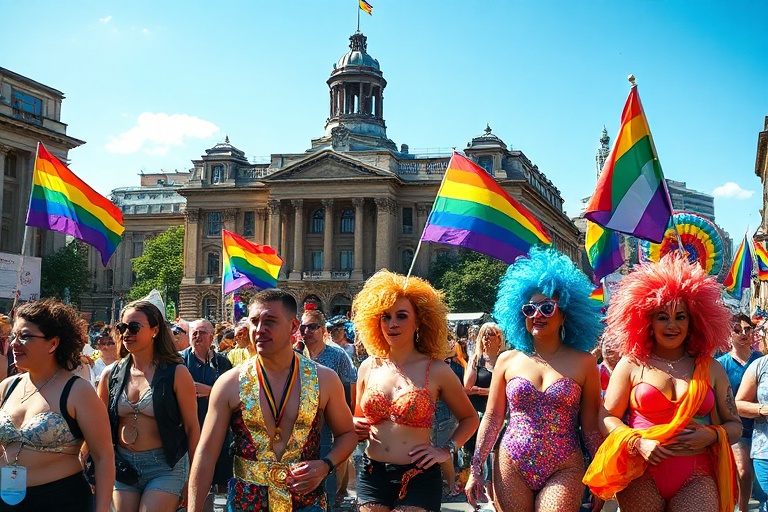
Birmingham Pride has grown into one of the UK’s most vibrant celebrations of LGBTQ+ culture, drawing thousands to the city’s streets each spring. This annual event not only highlights the progress of equality but also reinforces Birmingham’s reputation as a welcoming, inclusive space for people of all backgrounds. From its humble beginnings to its current status as a major cultural fixture, Birmingham Pride reflects the city’s dynamic spirit and commitment to social justice.
The Origins and Evolution of Birmingham Pride
Birmingham Pride traces its roots back to 1997, when a small group of activists organized the city’s first official Pride event. At the time, LGBTQ+ visibility in the UK was still gaining momentum, and Birmingham—a city with a rich industrial history and diverse population—became an unlikely but crucial hub for queer culture. The inaugural parade, though modest in size, laid the foundation for what would eventually become a cornerstone of Birmingham’s cultural calendar.
The event’s growth mirrored broader societal shifts. In the early 2000s, as LGBTQ+ rights gained more mainstream acceptance, Birmingham Pride expanded in scale and ambition. The parade route shifted from its original city-center location to Victoria Square, a more central and symbolic space that allowed for greater visibility. By the 2010s, Birmingham Pride had evolved into a two-day festival, featuring live music, drag performances, market stalls, and community workshops. Today, it attracts over 100,000 attendees annually, making it one of the largest Pride celebrations outside London.
What sets Birmingham Pride apart is its deep connection to the local community. Unlike some larger Pride events that prioritize commercial appeal, Birmingham’s festival maintains a grassroots ethos. Organizers collaborate closely with LGBTQ+ charities, youth groups, and healthcare providers to ensure the event remains accessible and relevant to all members of the community. This focus on inclusivity has helped Birmingham Pride cultivate a reputation for being both celebratory and socially conscious.
Key Highlights of Birmingham Pride 2024
The 2024 edition of Birmingham Pride, held on May 25–26, was a testament to the event’s enduring appeal and adaptability. Under the theme “Unity in Diversity,” the festival celebrated the resilience of the LGBTQ+ community while addressing ongoing challenges such as rising hate crimes and healthcare disparities. One of the most anticipated moments was the opening ceremony, which featured speeches from local politicians, activists, and members of the transgender and non-binary communities. These voices underscored the event’s commitment to amplifying marginalized perspectives within the broader LGBTQ+ movement.
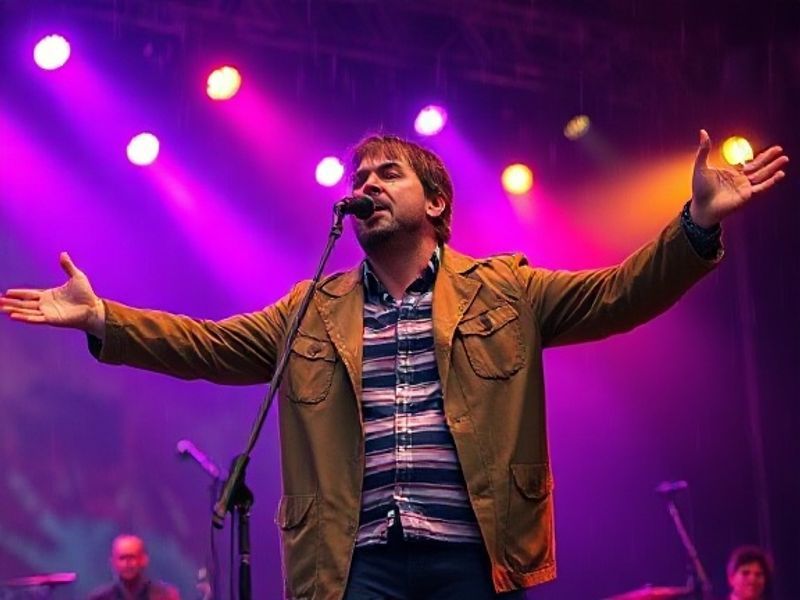
The festival’s lineup of performers showcased the diversity of queer talent in the UK. Headliners included international drag superstar Munroe Bergdorf, whose advocacy for trans rights has made her a prominent figure in LGBTQ+ activism. The main stage also hosted rising artists like the Birmingham-based pop duo Alma X, whose blend of electronic and R&B music resonated with younger attendees. Beyond music, the festival’s comedy tent featured stand-up sets from LGBTQ+ comedians, highlighting the role of humor in challenging stereotypes and fostering connection.
A new addition to this year’s Pride was the “Queer Marketplace,” a dedicated space for LGBTQ+-owned businesses and artisans. Stalls offered everything from handmade jewelry and gender-affirming clothing to vegan street food and LGBTQ+ literature. This initiative not only supported local entrepreneurs but also provided attendees with tangible ways to contribute to the community’s economic health. Organizers reported record participation from vendors, reflecting a growing demand for queer spaces that prioritize both commerce and activism.
Notable Moments from Birmingham Pride 2024
- Transgender Remembrance Vigil: A solemn moment honoring the lives of trans and non-binary individuals lost to violence, led by local LGBTQ+ youth groups.
- Family Zone: A dedicated area for LGBTQ+ families, offering activities for children and resources for parents navigating gender and sexuality discussions with kids.
- Health and Wellbeing Hub: Partnering with organizations like MindOut and Birmingham LGBT, this space provided free mental health screenings and HIV testing.
- Silent Disco: A first-time feature at Birmingham Pride, allowing attendees to dance to multiple DJ sets simultaneously via wireless headphones, reducing noise pollution in the city center.
Birmingham Pride’s Role in Local and National LGBTQ+ Advocacy
While Birmingham Pride is first and foremost a celebration, it also serves as a platform for advocacy and education. Each year, the event partners with organizations to highlight pressing issues affecting the LGBTQ+ community. In 2024, these efforts included a campaign against the UK government’s proposed ban on gender-affirming care for minors, as well as calls to reform the Gender Recognition Act to simplify the process for trans individuals seeking legal recognition.
The festival’s political engagement is not limited to policy discussions. Birmingham Pride has become a space where grassroots activism thrives. Campaign groups like Mermaids and Gendered Intelligence set up booths to recruit volunteers and distribute resources, while protest art installations critiqued everything from media representation to police presence at Pride events. This blend of celebration and activism reflects Birmingham’s broader cultural identity—a city that embraces both joy and struggle as part of its LGBTQ+ narrative.
Nationally, Birmingham Pride plays a crucial role in diversifying the Pride movement. While London Pride often dominates headlines, events like Birmingham’s ensure that LGBTQ+ voices from the Midlands, the North, and beyond are heard. This geographic inclusivity is vital in a country where LGBTQ+ experiences can vary dramatically depending on region. For many attendees, Birmingham Pride offers a rare opportunity to connect with others who share their identity in a supportive, local context.
The Economic and Cultural Impact of Birmingham Pride
Beyond its social significance, Birmingham Pride delivers tangible benefits to the city’s economy. According to a 2023 report by the Birmingham Chamber of Commerce, the event generates approximately £15 million in revenue for local businesses, from hotels and restaurants to independent shops and transportation services. The influx of visitors also boosts employment opportunities, with many businesses hiring temporary staff to accommodate the surge in demand.
Culturally, Birmingham Pride has helped redefine the city’s identity. Once known primarily for its industrial heritage and post-war architecture, Birmingham is increasingly recognized as a hub for creativity and progressive values. The festival’s success has inspired other Midlands cities to launch their own Pride events, creating a ripple effect of LGBTQ+ visibility across the region. Birmingham’s reputation as a “city of a thousand trades” now extends to its thriving queer arts scene, with venues like the Birmingham LGBT Centre and the mac (Midlands Arts Centre) hosting year-round programming that complements Pride’s festivities.
Yet, the festival’s impact is not without its challenges. Critics argue that commercialization risks diluting Pride’s activist roots, while others point to the environmental footprint of large-scale events. In response, Birmingham Pride organizers have implemented sustainability initiatives, such as banning single-use plastics and partnering with local recycling programs. These efforts reflect a broader trend in the Pride movement toward balancing celebration with responsibility—a challenge that Birmingham continues to navigate with intentionality.
Looking Ahead: The Future of Birmingham Pride
As Birmingham Pride approaches its 30th anniversary in 2027, organizers are already planning ambitious expansions. Discussions are underway to extend the festival to a three-day event, incorporate more intersectional programming (such as dedicated spaces for LGBTQ+ people of color and disabled attendees), and increase digital engagement for those unable to attend in person. There’s also a push to make the event more accessible to rural LGBTQ+ individuals, many of whom face isolation and lack of community resources in their hometowns.
For the people of Birmingham, Pride is more than a festival—it’s a reaffirmation of the city’s values. In a political climate where LGBTQ+ rights are frequently under attack, Birmingham Pride stands as a defiant celebration of love and resilience. It reminds attendees that progress is possible, even in uncertain times. As one local resident put it during this year’s event: “Pride is our annual reminder that we belong here, not just as guests, but as architects of this city’s future.”
Whether you’re a lifelong Birmingham resident or a first-time visitor, the city’s Pride festival offers something for everyone. From the pulsating energy of the main stage to the quiet moments of reflection in the Queer Marketplace, Birmingham Pride captures the essence of what it means to live authentically in a world that often demands conformity. It’s a testament to the power of community—and proof that the heart of the Midlands beats loudly for equality.