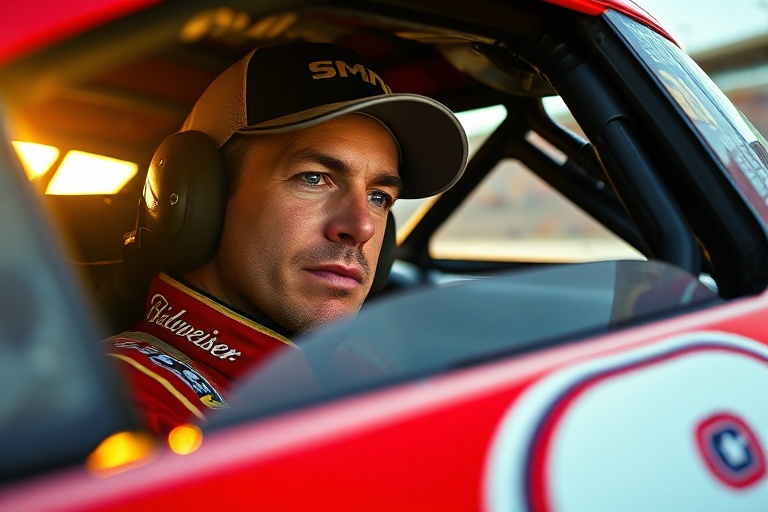
Dale Earnhardt Jr. stands as one of the most recognizable figures in NASCAR history—not just for his lineage, but for the way he carved his own identity in a sport dominated by larger-than-life personalities. As the son of seven-time NASCAR Cup Series champion Dale Earnhardt Sr., expectations were high from the moment he stepped into a race car. Yet it was his authenticity, relatability, and sheer talent that transformed him into a fan favorite long before his final checkered flag.
Beyond the track, Earnhardt Jr. has become a cultural touchstone, bridging the gap between motorsports and mainstream audiences. His career spans two decades of highs, lows, and moments that defined a generation of race fans. What follows isn’t just a recounting of wins and losses—it’s an exploration of how one driver reshaped the perception of NASCAR while building a legacy that extends far beyond the track.
The Rise of a Fan Favorite
Earnhardt Jr.’s journey to superstardom began in the late 1990s, a time when NASCAR was rapidly expanding its fan base. Unlike his father, whose intimidating presence earned him the nickname “The Intimidator,” Earnhardt Jr. brought a different energy to the sport. With his boyish charm, signature backwards cap, and knack for connecting with fans, he quickly became the sport’s most marketable star.
His breakthrough came in 2000, when he won two races in his rookie season—a rarity in NASCAR’s modern era. By 2004, he had claimed his first Daytona 500 victory, a race his father never won. That win wasn’t just a personal milestone; it was symbolic of his ability to step out of his father’s shadow and forge his own path. Over the next decade, Earnhardt Jr. would go on to win 26 Cup Series races and 14 All-Star events, cementing his status as one of the sport’s most consistent performers.
The numbers tell part of the story, but the real measure of Earnhardt Jr.’s impact lies in his connection with fans. At a time when NASCAR’s popularity was peaking, he became the face of the sport, drawing in casual viewers who might not have otherwise tuned in. His ability to make racing relatable—whether through his post-race interviews or his candid discussions about the pressures of the job—helped humanize a sport often seen as distant and insular.
Beyond the Driver’s Seat: Building an Empire
Earnhardt Jr.’s influence extends well beyond his racing achievements. Long before retiring from full-time competition in 2017, he had already begun laying the groundwork for a multifaceted career. His transition into media and business has been as strategic as it has been successful, demonstrating a keen understanding of branding and audience engagement.
In 2014, Earnhardt Jr. launched “Junior Nation”, a fan-driven movement that celebrated his approachable persona while fostering a sense of community among supporters. The initiative wasn’t just about selling merchandise; it was about creating an experience. Fans weren’t just spectators—they were part of a collective, united by their admiration for Earnhardt Jr.’s authenticity.
His foray into broadcasting further solidified his post-racing career. As a commentator for NBC Sports, Earnhardt Jr. brought a fresh perspective to the broadcast booth, blending his on-track experience with his ability to communicate complex racing dynamics in an accessible way. His commentary wasn’t just informative; it was entertaining, proving that his appeal wasn’t limited to the driver’s seat.
Beyond media, Earnhardt Jr. has also made significant strides in business. His partnerships with brands like Mountain Dew, Wrangler, and Nationwide Insurance have been mutually beneficial, leveraging his fan base to drive sales while reinforcing his image as a relatable everyman. Even his podcast, NASCAR’s The Dale Jr. Download, has become a must-listen for racing enthusiasts, offering unfiltered insights into the sport and its personalities.
The Business of Fan Connection
Earnhardt Jr.’s success in building a personal brand offers valuable lessons in fan engagement, particularly in an era where audiences crave authenticity over polished corporate messaging. His approach was rooted in transparency—whether discussing his struggles with concussions, his candid reflections on racing mistakes, or his willingness to engage with fans on social media. In an age where trust in institutions is eroding, Earnhardt Jr. proved that relatability could be just as powerful as pedigree.
One of the most telling examples of this strategy was his handling of the 2012 season, when a concussion sidelined him for nearly half the year. Instead of retreating from the public eye, Earnhardt Jr. used the downtime to connect with fans on a deeper level. His podcast and social media channels became platforms for sharing his recovery journey, offering a rare glimpse into the personal toll of racing. This vulnerability not only endeared him further to supporters but also demonstrated the power of storytelling in sports.
Earnhardt Jr.’s ability to monetize his personal brand without alienating fans is another key aspect of his success. Unlike many athletes who struggle to transition from competition to commentary, Earnhardt Jr. seamlessly integrated his business ventures with his public persona. His partnerships never felt forced; they complemented his image as a down-to-earth competitor who just happened to be one of the most marketable athletes of his generation.
Key Takeaways from Earnhardt Jr.’s Brand Strategy
- Authenticity Over Perfection: Earnhardt Jr. never shied away from sharing his flaws, whether it was admitting a mistake on the track or discussing his health struggles. This honesty fostered a deeper connection with fans.
- Leveraging Multiple Platforms: From podcasts to social media, Earnhardt Jr. diversified his media presence, ensuring he remained relevant across different formats.
- Community Building: Initiatives like “Junior Nation” weren’t just marketing tools; they created a sense of belonging among fans, turning casual viewers into loyal supporters.
- Strategic Partnerships: His brand deals were carefully chosen to align with his image, ensuring they felt organic rather than exploitative.
The Broader Impact on NASCAR and Sports Marketing
Earnhardt Jr.’s career coincided with a pivotal era for NASCAR. In the late 1990s and early 2000s, the sport was experiencing unprecedented growth, fueled by the rise of cable television and the introduction of new tracks designed to attract broader audiences. Yet as NASCAR’s popularity waned in the 2010s, Earnhardt Jr. remained one of the few figures who could consistently draw attention. His ability to keep the sport relevant during a challenging period speaks to his unique role in its history.
More broadly, Earnhardt Jr.’s career highlights the evolving nature of athlete branding. In an era where social media allows stars to bypass traditional gatekeepers, Earnhardt Jr. was ahead of the curve. His success wasn’t just about his racing skills; it was about his ability to craft a narrative that resonated with fans on a personal level. This approach has since become a blueprint for athletes across sports, from basketball to soccer, who seek to build their own brands beyond their respective games.
Earnhardt Jr.’s influence can also be seen in the way NASCAR has adapted to modern marketing trends. Today, the sport places a greater emphasis on storytelling and fan engagement, with drivers encouraged to share more of their personal lives. While Earnhardt Jr. wasn’t the only driver to pioneer this shift, his impact is undeniable. His career demonstrated that success in sports isn’t just about what happens on the field—it’s about how athletes connect with the world beyond it.
A Legacy That Extends Beyond the Track
As Earnhardt Jr. transitions into the next phase of his career—whether as a full-time broadcaster, entrepreneur, or ambassador for the sport—his legacy is already secure. He leaves behind a body of work that transcends wins and losses, a testament to the power of authenticity in sports. In an era where athletes are often scrutinized for their off-field behavior, Earnhardt Jr. stood out for his consistency, both as a competitor and as a public figure.
His retirement from full-time racing in 2017 marked the end of an era, but it also opened the door to new opportunities. Whether he’s calling races, growing his media empire, or mentoring younger drivers, Earnhardt Jr. remains a vital figure in NASCAR. More importantly, he embodies the qualities that make sports enduring: passion, perseverance, and a genuine connection with the people who support them.
For fans who grew up watching him, Earnhardt Jr. was more than a driver—he was a symbol of what it meant to compete with heart. For the sport itself, he was a bridge between generations, helping to modernize NASCAR while staying true to its roots. And for anyone studying the intersection of sports and branding, his career offers a masterclass in how to build a legacy that lasts long after the final lap.
As the sport continues to evolve, one thing is certain: Dale Earnhardt Jr.’s impact will be felt for decades to come.
Further Reading: