El Niño: How the Climate Phenomenon Shapes Global Weather
“`html
El Niño: Global Weather Disruptor and Its Far-Reaching Consequences
El Niño is more than a meteorological term—it’s a climate phenomenon that reshapes weather patterns across the planet. Occurring irregularly every two to seven years, this warming of the central and eastern tropical Pacific Ocean triggers a cascade of atmospheric changes that influence temperatures, precipitation, and extreme weather events worldwide. While scientists monitor its development with increasing precision, El Niño’s impact extends beyond weather forecasts, affecting agriculture, economies, and even cultural traditions tied to seasonal cycles.
The term itself originates from Spanish, meaning “the little boy,” a reference to the Christ child, as Peruvian fishermen historically noticed its effects around Christmas. Today, El Niño is understood as part of the larger El Niño-Southern Oscillation (ENSO) cycle, which includes its counterpart, La Niña—a cooling phase with opposite effects. Though El Niño’s warm phase dominates headlines when it intensifies, its true significance lies in its ability to disrupt the delicate balance of global weather systems.
The Science Behind El Niño: How It Alters Global Weather
At its core, El Niño is driven by a weakening of trade winds that normally push warm water westward across the Pacific. When these winds falter, warm water sloshes back toward the Americas, suppressing upwelling of nutrient-rich cold water off Peru and Ecuador. This shift alters atmospheric convection, redirecting jet streams and storm tracks.
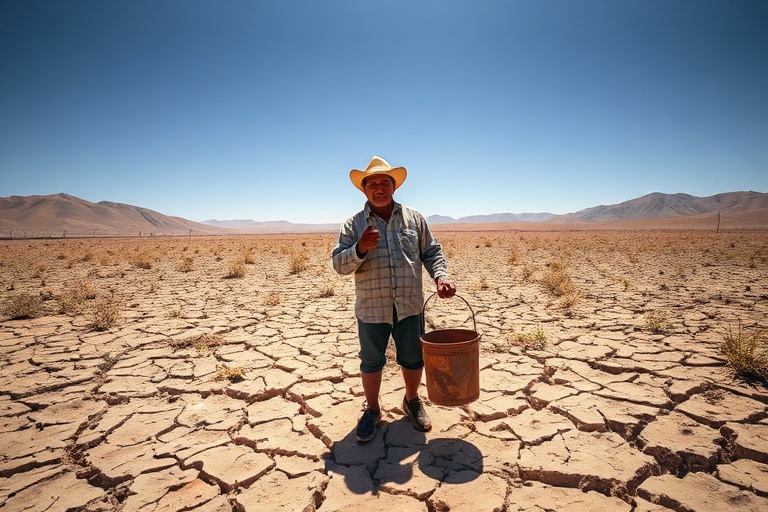
The consequences are geographically diverse. In Southeast Asia and Australia, El Niño often brings severe droughts and wildfires, as seen during the 2015–2016 event, which contributed to historic fires in Indonesia. Meanwhile, the southern United States and parts of South America experience heavier rainfall and flooding. Peru, paradoxically, faces both devastating floods and collapsed fisheries as ecosystems struggle to adapt. Such variability underscores El Niño’s role as a planetary disruptor, capable of amplifying existing climate vulnerabilities.
Scientists use sea surface temperature anomalies, wind patterns, and climate models to declare an El Niño event. The National Oceanic and Atmospheric Administration (NOAA) defines it as a three-month average temperature increase of at least 0.5°C in the Niño 3.4 region of the Pacific. While modern technology has improved forecasting, El Niño remains unpredictable in intensity and duration, making preparedness a global challenge.
Regional Impacts: From Fisheries to Festivals
El Niño’s effects ripple through economies and cultures. In Peru, the fishing industry—anchored by anchovy catches—collapses during strong events, costing millions. Meanwhile, farmers in Argentina and the southern U.S. may see bumper crops due to increased rainfall, while others face total loss. These economic shocks disproportionately affect communities reliant on agriculture or natural resources.
Cultural traditions also hinge on predictable weather. In India, El Niño often weakens the monsoon, threatening the agricultural foundation of festivals like Pongal and Holi. In the Pacific Islands, altered rainfall patterns disrupt water supplies and traditional farming practices. Even surf culture feels the impact, as El Niño-generated swells transform coastal breaks worldwide.
Yet, not all effects are negative. In California, strong El Niños have historically ended droughts by dumping heavy snowpack in the Sierra Nevada—vital for water supplies. Similarly, parts of East Africa experience wetter conditions that boost harvests. These nuances highlight the importance of localized responses to a global phenomenon.
Historical Events: Lessons from Past El Niños
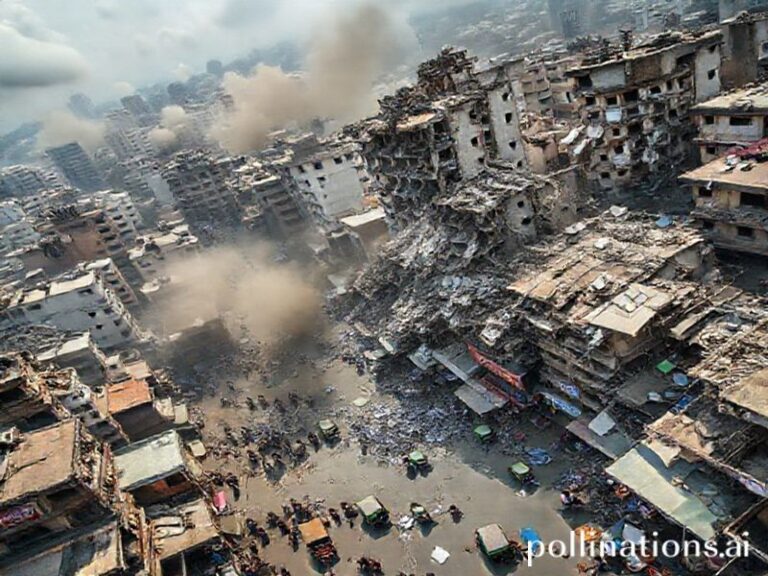
El Niño’s modern history is marked by events that reshaped policies and perceptions. The 1982–1983 episode, one of the strongest on record, caused $8 billion in global damages, including flooding in Peru and droughts in Australia. It prompted the creation of international climate monitoring systems. The 1997–1998 event, even more intense, led to 23,000 deaths and $35 billion in losses, with impacts felt from Indonesia to the U.S. Midwest.
These disasters revealed systemic weaknesses. In 1997, Indonesia’s fires, exacerbated by El Niño-driven drought, blanketed Southeast Asia in haze for months, straining regional relations. In the U.S., California’s storms caused $1.8 billion in damage, exposing infrastructure vulnerabilities. Such events underscored the need for coordinated disaster planning and climate adaptation.
More recently, the 2015–2016 El Niño became the first to be influenced by climate change, with record-high ocean temperatures intensifying its effects. It triggered the worst coral bleaching in recorded history, devastated crops in Africa, and contributed to a global coral die-off. These events suggest that as the planet warms, El Niño may become more volatile and destructive—a trend that demands urgent attention.
Preparing for the Next Cycle: Adaptation and Resilience
With climate change potentially intensifying El Niño’s frequency and severity, governments and communities are rethinking their strategies. Early warning systems, such as those developed by the World Meteorological Organization, now provide months of lead time for vulnerable regions. In Peru, flood defenses and evacuation plans have been upgraded after past disasters. Meanwhile, farmers in drought-prone areas are turning to drought-resistant crops and water conservation techniques.
International cooperation is also critical. The Paris Agreement’s climate goals aim to limit warming, which could reduce the likelihood of extreme El Niño events. However, adaptation remains essential. Coastal cities are investing in resilient infrastructure, while small island nations are diversifying their economies to withstand climate shocks.
Culturally, awareness is growing. Indigenous knowledge, long attuned to seasonal patterns, is being integrated with modern science. In the Pacific Islands, traditional navigation techniques and oral histories are being paired with satellite data to improve resilience. These efforts highlight the human dimension of climate adaptation—balancing tradition with innovation.
A Global Challenge Requires Global Solutions
El Niño is a reminder that climate systems are interconnected. A shift in Pacific waters can trigger wildfires in Australia, floods in Chile, and food shortages in southern Africa—all within a single season. Addressing its impacts requires more than scientific monitoring; it demands systemic change. Reducing greenhouse gas emissions, investing in early warning systems, and supporting vulnerable communities are all part of the solution.
As the planet warms, El Niño’s behavior may become less predictable, making preparedness even more vital. From the Andes to the Outback, societies must adapt to a changing climate while preserving the cultural and economic fabric that defines them. El Niño is not just a weather event—it’s a test of our ability to live in harmony with a dynamic planet.
The next El Niño could arrive within years. The question is not whether it will come, but how ready we will be.