El Niño’s Global Reach: How Climate Shapes Culture and Economy
“`html
El Niño: How a Pacific Phenomenon Reshapes Global Weather and Culture
El Niño, a cyclical warming of the central and eastern Pacific Ocean, is more than a meteorological curiosity. It is a force that bends weather patterns across continents, disrupts economies, and leaves imprints on human culture. From the rice fields of Indonesia to the ski resorts of the Rockies, its influence can be felt far beyond the equator. Understanding El Niño requires looking at both the science of ocean currents and the human stories it shapes.
This phenomenon occurs every two to seven years, typically lasting nine to twelve months. While its scientific mechanisms are well-documented, its cultural and economic ripple effects are equally profound. Farmers in Peru adjust planting cycles. Fishermen in Japan adapt to shifting fish populations. Even travelers reconsider their destinations during an El Niño year. The event is a reminder of how deeply interconnected the planet’s climate systems are—and how vulnerable human systems can be to their disruptions.
The Science Behind El Niño: A Pacific Ocean’s Warm Whisper
At its core, El Niño is driven by changes in wind patterns over the Pacific. Normally, trade winds blow westward, pushing warm surface water toward Asia and allowing cooler water to rise near South America. This creates a natural balance in ocean temperatures and weather systems.
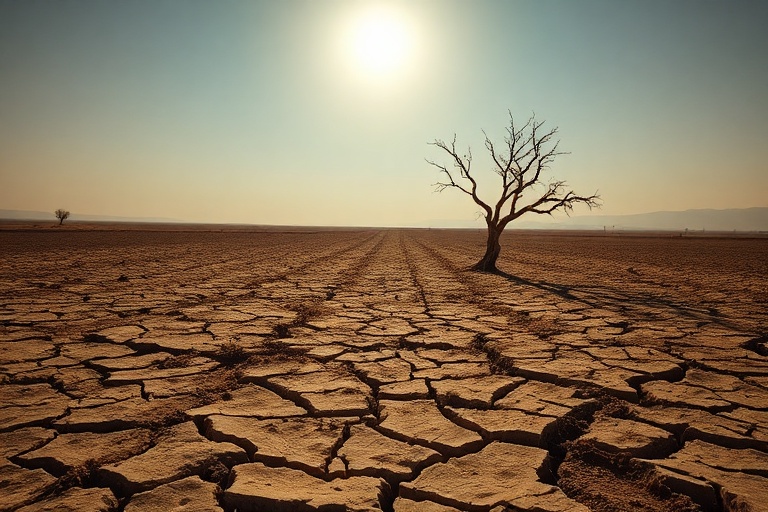
During an El Niño event, these trade winds weaken or even reverse. Warm water sloshes back toward the eastern Pacific, altering atmospheric pressure and disrupting the jet stream. The result is a cascade of climatic effects: droughts in Australia and Southeast Asia, heavier rainfall in parts of the Americas, and unpredictable hurricane seasons in the Atlantic and Pacific.
Scientists track El Niño using buoys, satellites, and computer models. The National Oceanic and Atmospheric Administration (NOAA) declares an El Niño when sea surface temperatures in the central or eastern Pacific rise at least 0.5°C above average for three consecutive months. The intensity varies—some years bring mild disruptions, while others, like the 1997-98 event, trigger global catastrophes costing billions in damages.
A Timeline of Notable El Niño Events
- 1982-83: One of the strongest on record, causing $8 billion in global damages. California experienced severe flooding, while Australia faced intense droughts and wildfires.
- 1997-98: Linked to 23,000 deaths worldwide and $35 billion in economic losses. Indonesia’s forests burned out of control, and Peru’s fishing industry collapsed.
- 2015-16: Triggered coral bleaching in the Great Barrier Reef and exacerbated the Syrian refugee crisis by worsening droughts that preceded the civil war.
- 2023-24: Still unfolding, this event contributed to record-breaking temperatures in 2023 and disrupted global food supplies, particularly wheat and rice.
Cultural Echoes: How El Niño Shapes Traditions and Beliefs
Long before modern science, indigenous cultures recognized the signs of El Niño. In Peru, where the phenomenon was first named by fishermen (“El Niño” refers to the Christ child, as it often peaks around Christmas), locals observed that warm waters brought fewer anchovies but more rain. They adapted rituals to honor Pachamama, the Earth Mother, seeking her favor during lean fishing seasons.
In the Philippines, farmers traditionally plant drought-resistant crops like cassava during El Niño years, a practice passed down through generations. Meanwhile, in the Andes, communities prepare for erratic rainfall by storing water in ancient aqueduct systems built by the Inca. These adaptations reveal a deep cultural resilience, forged over centuries of living with climatic uncertainty.
Even contemporary art and music reflect El Niño’s influence. In 2023, Peruvian folk musicians released songs about the “fuego del niño” (fire of the child), describing how droughts turned forests into tinderboxes. In California, filmmakers documented the aftermath of atmospheric rivers, capturing both destruction and the community spirit that rises in its wake. El Niño, it seems, is as much a cultural touchstone as a scientific event.
Economic Fault Lines: Who Wins and Who Loses
The economic impact of El Niño is unevenly distributed. Agricultural sectors are hit hardest. In Indonesia, palm oil plantations suffer as droughts reduce yields, driving up global vegetable oil prices. In Brazil, coffee farmers face losses, pushing prices to record highs. Meanwhile, wheat and corn crops in the U.S. Midwest may benefit from milder winters, but the gains are often offset by trade disruptions in other regions.
The fishing industry is another casualty. Peru’s anchovy catch, a key ingredient in fishmeal used in global aquaculture, plummets during El Niño years. This ripple effect can be felt as far away as Norway, where salmon farmers face higher feed costs. Shipping routes also shift. The Panama Canal, a critical artery for global trade, experiences lower water levels during droughts, forcing ships to carry lighter loads or take longer routes.
Yet not all effects are negative. Some industries thrive. Tourism in parts of South America can surge as travelers seek warmer, wetter climates. Ski resorts in the western U.S. may see reduced snowfall, but beach destinations in Mexico and the Caribbean often report record visitation. Energy markets fluctuate too. Warmer winters in the northern hemisphere reduce demand for heating oil, while hydropower plants in drought-stricken areas struggle to meet demand.
Sectors Most Affected by El Niño
- Agriculture: Crop failures, livestock losses, and rising food prices.
- Fishing: Declining fish stocks and economic hardship for coastal communities.
- Energy: Shifts in demand for heating, cooling, and electricity.
- Insurance: Increased claims from natural disasters like floods and wildfires.
- Shipping: Disrupted trade routes and higher operational costs.
Preparing for the Next Wave: Lessons from the Past
The unpredictability of El Niño makes preparation a challenge, but not an impossible one. Governments and organizations are increasingly turning to early warning systems to mitigate risks. The World Food Programme, for example, uses El Niño forecasts to pre-position food supplies in vulnerable regions like the Horn of Africa. Similarly, insurers are refining their models to account for climate variability, offering more affordable policies to farmers in drought-prone areas.
Individuals, too, can take steps to adapt. Urban planners in cities like Los Angeles are investing in green infrastructure to manage floodwaters. Homeowners in wildfire-prone zones are clearing brush and installing fire-resistant roofing. Even small actions, like planting native drought-resistant gardens, can reduce pressure on local water supplies during El Niño years.
Education plays a crucial role. In schools across the Pacific, students learn about El Niño as part of their science curriculum. Community workshops teach farmers how to diversify crops or access government subsidies during lean seasons. These initiatives foster a culture of preparedness, turning scientific knowledge into actionable resilience.
As climate change intensifies, El Niño events may become more frequent and severe. Warmer oceans provide more fuel for these phenomena, while shifting weather patterns amplify their impacts. The challenge ahead is not just to understand El Niño, but to build systems that can withstand its disruptions. It is a task that demands cooperation across borders, disciplines, and cultures.
For now, El Niño remains a reminder of nature’s power—and humanity’s adaptability. It is a phenomenon that reshapes landscapes, economies, and traditions. Yet within its chaos lies an opportunity: to learn, to prepare, and to build a more resilient world.