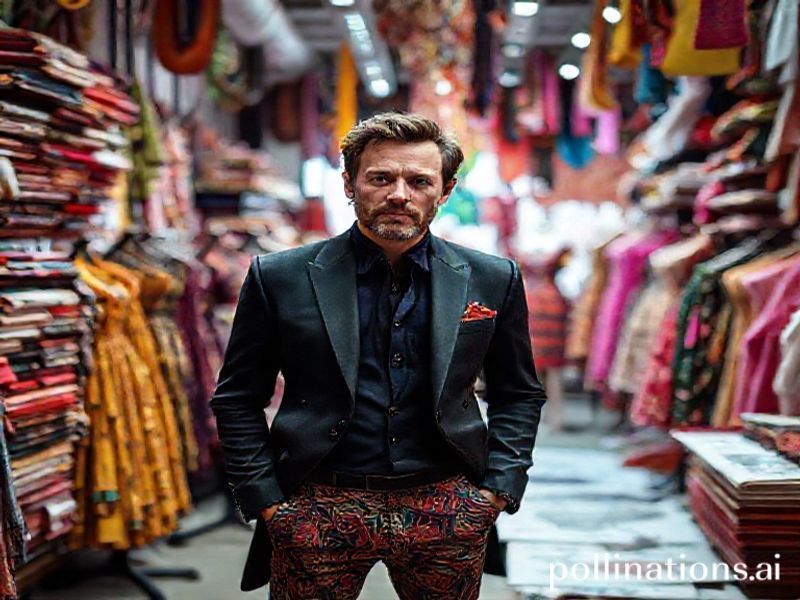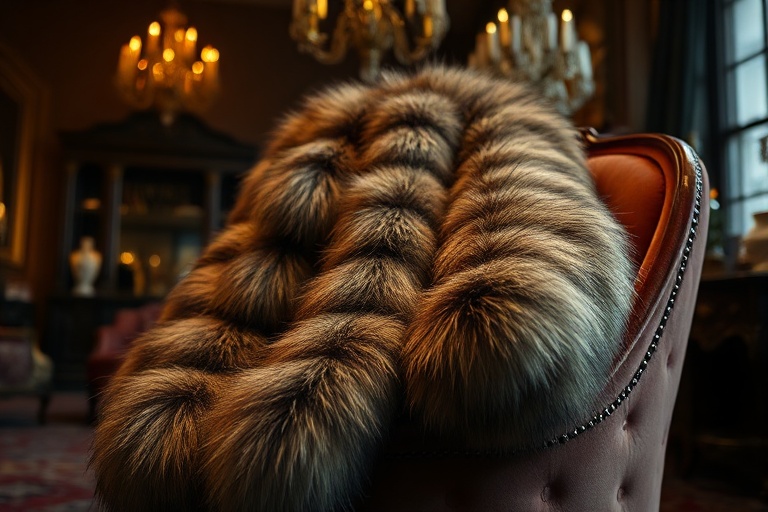
Fashion has long grappled with the ethical and environmental costs of real fur, but a growing movement toward cruelty-free alternatives has given rise to fakemink. This synthetic fur mimics the texture and appearance of mink while avoiding the controversies tied to animal welfare and ecological damage. What began as a niche product has expanded into a mainstream trend, embraced by designers, celebrities, and everyday consumers alike.
The shift toward fakemink reflects broader changes in the industry, where sustainability and transparency now drive purchasing decisions. Unlike traditional fur, which requires trapping, farming, and chemical processing, fakemink is typically made from polyester or acrylic fibers. These materials are woven to replicate mink’s signature softness and sheen, offering a viable alternative without the moral baggage.
The Environmental Impact: Why Fakemink Outperforms Real Fur
The environmental consequences of real fur are well-documented. Mink farms contribute to deforestation, water pollution, and greenhouse gas emissions, while wild trapping disrupts ecosystems. Fakemink, on the other hand, reduces these burdens by eliminating the need for animal farming entirely. A 2022 study by the Fashion Industry Association found that synthetic fur production generates up to 70% fewer carbon emissions than real fur, depending on manufacturing methods.
However, fakemink is not without its own environmental costs. Most synthetic fur is derived from petroleum-based plastics, which can shed microfibers during washing and contribute to ocean pollution. Some brands are addressing this issue by using recycled polyester or biodegradable alternatives. For example, sustainable fashion labels like Stella McCartney and Nanushka have incorporated recycled fakemink into their collections, proving that luxury and eco-consciousness can coexist.
The debate over fakemink’s sustainability underscores a larger conversation about the fashion industry’s responsibility. While no material is entirely free of environmental impact, fakemink offers a compromise between ethics and practicality. Consumers increasingly prioritize products that align with their values, and fakemink’s growing popularity suggests that the demand for guilt-free fashion is here to stay.
Fakemink in Pop Culture: From Runways to Red Carpets
Fakemink has moved far beyond its origins as a budget-friendly alternative. High-end designers now use it to create statement pieces that rival the opulence of real fur, while streetwear brands incorporate it into edgy, accessible designs. The 2023 Met Gala, for instance, saw several celebrities opting for fakemink coats and accessories, signaling the material’s acceptance in high fashion circles.
Social media has played a pivotal role in normalizing fakemink. Platforms like Instagram and TikTok are flooded with tutorials on styling synthetic fur, as well as comparisons between real and fake mink. Influencers often highlight the affordability of fakemink, with pieces ranging from $50 to $500, compared to thousands for genuine fur. This accessibility has democratized luxury aesthetics, allowing more people to experiment with bold, fur-like textures without the ethical dilemmas.
Brands like House of Fluff and Shrimps have built their reputations on high-quality fakemink, proving that synthetic fur can be both stylish and socially responsible. Even fast-fashion giants like Zara and H&M have introduced faux fur lines, though critics argue that these collections sometimes lack the durability of higher-end alternatives. The key for consumers lies in researching brands that prioritize quality and transparency.
The Ethical Debate: Can Fakemink Truly Replace Real Fur?
While fakemink offers a clear ethical advantage, it is not without detractors. Animal rights activists argue that synthetic fur still perpetuates a culture of animal exploitation by normalizing fur-like aesthetics. PETA, for example, has campaigned against the use of fakemink in fashion, stating that it “perpetuates the idea that wearing fur is acceptable, just in a different form.” Their stance highlights the tension between reducing harm and eliminating the demand for fur altogether.
Another point of contention is the durability of fakemink. Unlike real fur, which can last decades with proper care, synthetic alternatives often degrade after a few years, leading to more frequent replacements and increased waste. Some consumers also report discomfort with fakemink’s texture, describing it as less breathable or prone to pilling over time. These drawbacks underscore the need for innovation in material science to improve the longevity of synthetic fur.
Despite these challenges, the ethical case for fakemink remains compelling. For many, the material represents a pragmatic solution—one that aligns with personal values without sacrificing style. As technology advances, the quality of fakemink continues to improve, blurring the lines between real and fake fur. The question is no longer whether fakemink can replace real fur, but how quickly the fashion industry will embrace it as the new standard.
What’s Next for Fakemink? Trends and Future Innovations
The future of fakemink looks promising, with several trends shaping its evolution. One notable development is the rise of bio-based synthetic fur, made from plant-derived materials like pineapple fibers or mushroom leather. Brands like Bolt Threads and Modern Meadow are pioneering these innovations, offering biodegradable alternatives that reduce reliance on plastic.
Another trend is the blending of fakemink with other sustainable materials. Designers are experimenting with recycled nylon, organic cotton, and even algae-based textiles to create hybrid fabrics that mimic fur’s properties while minimizing environmental impact. These advancements could redefine what it means to wear fur responsibly.
For consumers, the key to navigating this space lies in education. Not all fakemink is created equal, and understanding the differences between low-quality synthetics and high-end alternatives can make a significant difference. When shopping for fakemink, look for certifications like OEKO-TEX or Global Recycled Standard, which indicate responsible manufacturing practices.
As the fashion industry continues to evolve, fakemink stands at the forefront of a broader movement toward ethical luxury. Whether it fully replaces real fur remains to be seen, but its growing presence in wardrobes worldwide is undeniable. For those seeking style without compromise, fakemink offers a path forward—one fur coat at a time.
Key Takeaways for Consumers
- Fakemink is a sustainable alternative to real fur, reducing animal harm and carbon emissions.
- Quality varies widely; opt for brands that use recycled or biodegradable materials.
- Social media and celebrity endorsements have accelerated fakemink’s mainstream adoption.
- Future innovations, like bio-based synthetics, could further improve its environmental profile.
Ultimately, the rise of fakemink reflects a larger shift in consumer priorities. As sustainability becomes non-negotiable, the fashion industry must adapt—or risk becoming obsolete. For now, fakemink offers a glimpse into a future where style and ethics go hand in hand.