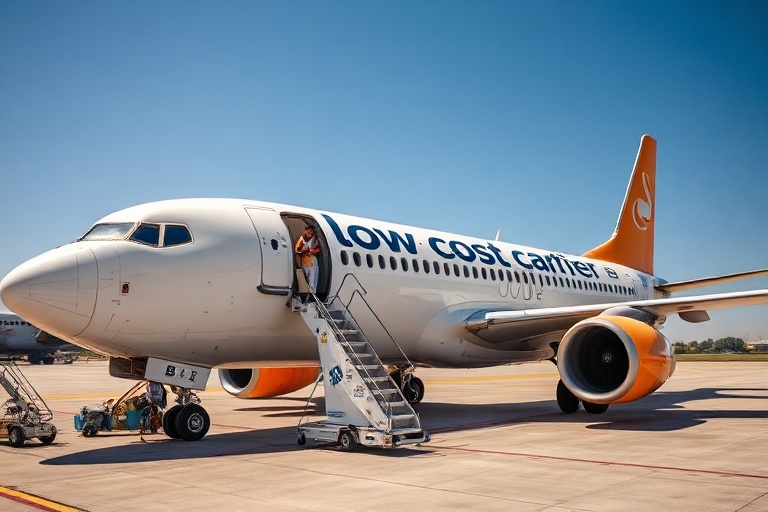
How Low-Cost Carriers Are Changing the Face of Global Travel
“`html
Low-Cost Carriers: How Budget Airlines Are Reshaping Global Travel
The rise of low-cost carriers over the past three decades has transformed air travel from a luxury reserved for the wealthy into an accessible option for millions. These airlines have redefined affordability, convenience, and even the way people plan vacations. By stripping away traditional frills and focusing on core services, budget carriers have carved out a dominant position in the aviation industry.
Their impact extends beyond ticket prices. Regional economies, tourism patterns, and even urban development have all felt the influence of these carriers. As fuel prices fluctuate and competition intensifies, low-cost airlines continue to adapt, proving that their business model is more than just a passing trend—it’s a fundamental shift in how people move around the world.
The Evolution of Low-Cost Carriers: From Niche to Mainstream
The concept of low-cost air travel gained traction in the late 1970s with the deregulation of the U.S. airline industry. However, it was Southwest Airlines, founded in 1967 but expanding aggressively in the 1980s and 1990s, that truly pioneered the model. By eliminating frills like assigned seating, in-flight meals, and baggage transfers, Southwest proved that people would pay less for a no-frills experience.
Europe followed suit in the 1990s with the launch of Ryanair in 1984 and easyJet in 1995. These airlines took the model further, focusing on secondary airports to reduce costs and turnaround times. The strategy worked. Within a decade, budget carriers had captured a significant share of the market, forcing legacy airlines to rethink their pricing and service models.
The trend spread to Asia, Latin America, and the Middle East, where carriers like AirAsia, IndiGo, and FlyDubai adapted the model to local markets. Today, low-cost airlines account for nearly 30% of global air traffic, a figure that continues to grow as new players enter the field.
Key Characteristics of Low-Cost Carriers
While each budget airline operates differently, most share a core set of strategies that define their business model:
- Single aircraft type: Operating a fleet of identical planes reduces maintenance costs, training expenses, and operational complexity.
- Point-to-point routes: Avoiding hub-and-spoke systems cuts down on delays and operational inefficiencies.
- Ancillary revenue: Charging for extras like seat selection, checked baggage, and in-flight snacks turns a profit beyond ticket sales.
- High aircraft utilization: Quick turnaround times—sometimes as short as 25 minutes—maximize flight hours and revenue per plane.
- Direct booking: Selling tickets primarily through websites and apps cuts out travel agent commissions, keeping costs low.
These strategies allow low-cost carriers to offer fares that are often a fraction of what traditional airlines charge. In some cases, the difference is stark: a round-trip ticket from New York to Los Angeles might cost $300 on a legacy carrier but just $100 on a budget airline.
The Broader Impact on Travel and Tourism
The affordability of low-cost carriers has democratized air travel in ways that were unimaginable just a few decades ago. In Europe, for instance, budget airlines have made weekend trips to multiple countries feasible for students and young professionals. In Southeast Asia, AirAsia’s aggressive expansion has opened up once-inaccessible destinations like Bali, Bangkok, and Singapore to budget-conscious travelers from India, Malaysia, and beyond.
This shift has had ripple effects across industries. Tourism boards now actively court budget airlines to stimulate regional economies. Cities like London, Barcelona, and Berlin have seen an influx of tourists arriving via low-cost routes, boosting local businesses from hotels to restaurants. Even secondary airports, once overlooked by legacy carriers, have flourished as hubs for budget airlines.
However, the growth of low-cost carriers hasn’t been without controversy. Critics argue that the model encourages over-tourism, straining local infrastructure in popular destinations. Others point to the environmental impact of increased air travel, as budget airlines often fly older, less fuel-efficient planes.
Despite these concerns, the demand for affordable air travel shows no signs of slowing. As technology advances and fuel efficiency improves, low-cost carriers are likely to become even more prevalent, further reshaping the global travel landscape.
Challenges and the Future of Budget Airlines
While the low-cost model has proven resilient, it faces challenges that could shape its future. Rising fuel costs, labor shortages, and increasing competition from both traditional and new budget airlines are putting pressure on profit margins. In response, carriers are diversifying their revenue streams, introducing premium services, and even exploring sustainability initiatives to appeal to eco-conscious travelers.
One emerging trend is the hybridization of low-cost and legacy airlines. Some carriers, like JetBlue and Norwegian Air, have introduced “low-cost premium” services, offering extra legroom and enhanced amenities at a slightly higher price point. Others are partnering with hotels and car rental companies to create bundled travel packages that appeal to a broader audience.
Sustainability is another critical issue. Budget airlines, which often operate older fleets, are under scrutiny for their carbon footprints. Some carriers are responding by investing in newer, more fuel-efficient aircraft or exploring sustainable aviation fuels. However, the high costs of these technologies remain a barrier for many low-cost operators.
Despite these challenges, the future of low-cost carriers looks promising. As long as there is demand for affordable travel—and as long as airlines continue to innovate—their influence on the global aviation industry is likely to grow.
Conclusion: A Lasting Transformation
The rise of low-cost carriers has fundamentally altered the way people travel. By making airfare accessible to a broader audience, these airlines have opened up new opportunities for exploration, business, and cultural exchange. They’ve forced traditional airlines to adapt, pushed airports to innovate, and transformed entire industries, from tourism to hospitality.
As the industry continues to evolve, the strategies pioneered by budget airlines will likely influence not just aviation, but transportation as a whole. The model’s success has already inspired low-cost innovations in rail travel, buses, and even maritime transport. In a world where mobility is increasingly valued, low-cost carriers have proven that affordability and accessibility can go hand in hand with profitability and growth.
For travelers, the message is clear: the skies are more open than ever before. Whether you’re planning a spontaneous weekend getaway or a month-long backpacking adventure, budget airlines offer a way to explore the world without breaking the bank.