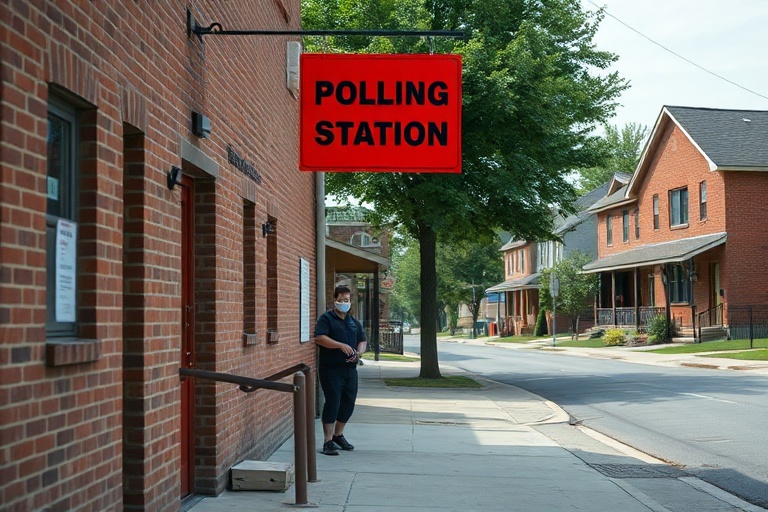
How to Find Polling Stations Near You Before Election Day
“`html
Polling Stations Near Me: How to Locate Them and What to Expect
Finding your nearest polling station is often the first practical step in exercising your democratic right. Across the globe, voting systems vary dramatically—from the automated kiosks of Estonia to the traditional paper ballots of rural India. Wherever you live, knowing where to cast your ballot can reduce stress and ensure your voice is counted. The process typically begins with a quick online search or a visit to your local election office website, but the specifics depend heavily on your country’s electoral framework.
How Different Countries Handle Polling Stations
In the United States, polling place locations are managed at the state and county levels, meaning there is no single national database. Each jurisdiction updates its voter information portal annually, often just weeks before an election. For example, California voters can use the California Secretary of State’s polling place lookup tool, while Texans rely on their county’s election website. In contrast, countries like Canada centralize polling data through Elections Canada, offering a unified online map that remains consistent even during federal elections.
Across the Atlantic, the United Kingdom uses a different model entirely. Polling stations are typically set in public buildings such as schools, libraries, and community centers. Voters receive a polling card in the mail weeks before the election, which includes the exact address of their assigned station. While this system is efficient, it can cause confusion if residents move or fail to update their registration. In Australia, polling stations are even more accessible—often located in shopping centers, sports clubs, and town halls—reflecting the country’s emphasis on high voter turnout.
Key Features of International Polling Stations
- Accessibility: Most developed nations now require polling stations to be wheelchair accessible, with tactile voting templates for the visually impaired.
- Technology Integration: Estonia pioneered internet voting in 2005, allowing citizens to cast ballots online for up to a week before Election Day.
- Cultural Adaptations: In India, polling stations in remote areas often use electronic voting machines (EVMs) to combat ballot tampering, a legacy of past electoral disputes.
- Security Measures: The Netherlands uses transparent ballot boxes and live video feeds in some locations to deter fraud.
How to Find Your Polling Station: A Step-by-Step Guide
Regardless of where you live, the process of locating your polling station follows a logical sequence. Start by checking your voter registration status, as outdated information can lead to misinformation. In many countries, this can be done through an official government portal or by contacting your local electoral commission. Once confirmed, use the provided search tool to enter your address or postal code. Results typically display the station’s name, address, opening hours, and accessibility features.
In some regions, advanced options exist. For instance, Germany offers a mobile app called Wahl-O-Mat, which not only locates polling stations but also compares voter preferences with party platforms. Meanwhile, in Japan, voters can use the J-Web system to verify their polling place via smartphone, reducing the need for in-person inquiries. Even in countries with less digital infrastructure, local election offices often provide printed maps or send polling cards directly to registered voters.
One common pitfall is assuming your polling station remains the same from election to election. Boundaries are frequently redrawn due to population shifts or redistricting efforts. For example, in the U.S., gerrymandering can alter precinct lines without public notice. Always verify your location a few weeks before voting, especially if you’ve recently moved or changed your name.
What to Expect When You Arrive
Walking into a polling station can feel intimidating, especially in high-profile elections. The atmosphere varies widely by culture. In Sweden, polling places are designed to be neutral and quiet, with voters moving efficiently through designated stations. In contrast, polling places in the Philippines often buzz with energy, as neighbors gather outside to discuss candidates while waiting in line. In Brazil, electronic voting machines are so common that paper ballots are nearly obsolete, streamlining the process for millions.
Upon arrival, you’ll typically check in with an election worker who verifies your identity against the voter rolls. This may involve presenting a government-issued ID or, in some cases, simply stating your name and address. Once confirmed, you’ll receive your ballot—whether paper, electronic, or a mix of both. In countries like South Africa, voters mark their choices with a pen and place the ballot into a sealed box. In Estonia, the process is entirely digital, with voters using a national ID card and PIN at a kiosk.
Wait times can vary dramatically. In urban areas like Tokyo or New York, lines may form early in the morning, especially during national elections. Rural polling stations, however, often see lighter turnout, allowing for quicker processing. Some countries implement advanced scheduling systems to reduce congestion. South Korea, for instance, offers early voting days and mobile polling stations in remote areas to boost participation.
Common Challenges and How to Overcome Them
- Incorrect Polling Information: If your polling card lists the wrong address, contact your local election office immediately. Many jurisdictions allow same-day registration or provide corrected cards.
- Language Barriers: In multilingual societies like Switzerland or Canada, polling stations often provide ballots and assistance in multiple languages. Look for signage in your preferred language upon arrival.
- Long Waits: Arrive early or during off-peak hours. Some countries, like Australia, enforce mandatory voting but allow voters to leave if lines are excessively long.
- Technology Glitches: In digital voting systems, technical issues can arise. Election officials are trained to troubleshoot, but it’s wise to familiarize yourself with the process beforehand.
Why Your Polling Station Matters More Than You Think
The location of your polling station isn’t just a logistical detail—it reflects broader trends in civic engagement and urban planning. In many cities, polling stations are intentionally placed in schools or public buildings to symbolize democracy’s roots in community spaces. However, studies have shown that polling places in wealthier neighborhoods tend to have shorter wait times, potentially influencing voter turnout. This phenomenon, known as “wait-time inequality,” has sparked debates in the U.S. and beyond about equitable access to voting.
Culturally, polling stations also serve as microcosms of societal values. In Nordic countries, the emphasis on transparency and efficiency is evident in the design of voting booths and the presence of election observers. In contrast, polling stations in post-conflict regions like Lebanon or Bosnia often double as symbols of resilience, with international observers monitoring for irregularities. Even the architecture can tell a story—modern polling stations in Dubai feature sleek, futuristic designs, while rural stations in India may consist of repurposed classrooms or tents.
As global politics grow increasingly polarized, the role of polling stations extends beyond mere functionality. They become stages for civic participation, where every vote—regardless of location—contributes to the collective voice of a nation. Whether you’re casting a ballot in Berlin, Buenos Aires, or Bangkok, the act of finding your polling station is the first step in shaping the future.
Take the time to confirm your location, understand the process, and approach Election Day with confidence. Democracy isn’t just about the outcome—it’s about the journey to the ballot box.