How to Find Your Nearest Polling Station Before Election Day
“`html
How to Find Your Nearest Polling Station Before Election Day
The right to vote is a cornerstone of democracy, yet many eligible voters still struggle with one of the most basic steps: locating their polling place. Whether you’re voting in a local, state, or national election, knowing where to cast your ballot ensures your voice is counted. With shifting district boundaries and new polling locations opening or closing, finding your nearest polling station can feel like solving a moving puzzle.
This guide breaks down the process into clear steps, explains why polling locations change, and highlights tools you can use to confirm your voting site before heading to the polls. We’ll also explore the broader implications of polling place accessibility—and what happens when voters arrive at the wrong location.
The Growing Challenge of Polling Place Accessibility
Polling accessibility has become a hot-button issue in recent years. A 2023 study by the Brennan Center for Justice found that nearly one in three polling places had changed since the 2016 election. These changes are driven by factors including school closures, redistricting, and budget cuts. In some communities, especially rural and underserved areas, long distances to polling places can discourage participation.
Technology has improved access in some ways. Online polling place lookup tools and voter information portals allow voters to check their registration and polling location in seconds. Yet, digital literacy and internet access remain barriers for older adults and low-income populations. In response, organizations like the League of Women Voters and state election offices offer phone hotlines and in-person assistance to help voters navigate the system.
Why Polling Locations Change So Often
Several factors contribute to the shifting geography of polling places:
- Redistricting: After the U.S. Census, legislative districts are redrawn, which can relocate voters to different precincts.
- School Closures: Many polling places are located in schools, which may shut down or relocate due to enrollment changes.
- Cost Savings: Some counties consolidate polling sites to reduce election administration expenses.
- Security Concerns: Aging facilities may be replaced with more secure or accessible locations.
- Natural Disasters: Events like hurricanes or wildfires can force temporary relocation of polling sites.
These changes are often made with little public notice, leaving voters uninformed. That’s why it’s essential to verify your polling place well before Election Day—not just the day before.
How to Find Your Nearest Polling Station: A Step-by-Step Guide
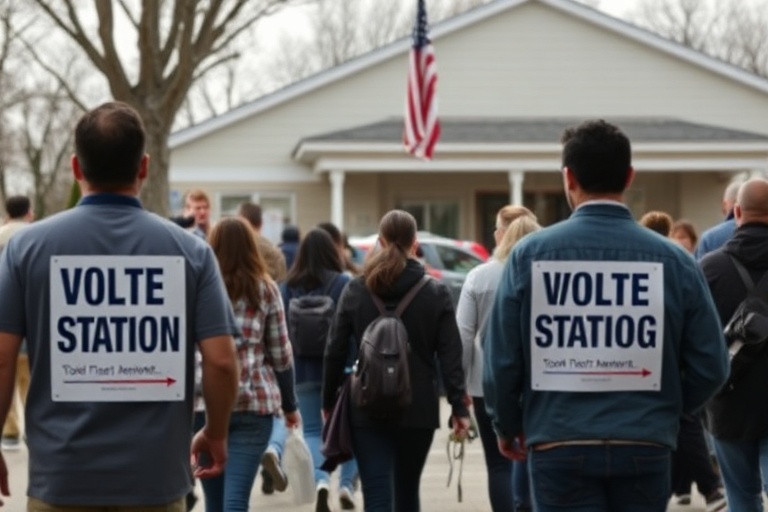
Finding your polling place doesn’t have to be complicated. Most states offer multiple ways to confirm your location, including online tools, phone services, and in-person visits. Here’s how to do it:
1. Use Your State’s Voter Portal
Every state in the U.S. maintains an official voter registration website. These portals typically include a polling place locator. For example:
- Vote.org aggregates state-level tools into one searchable database.
- USA.gov provides links to state election websites.
- Rock the Vote offers a simple polling place finder for first-time voters.
Simply enter your name, date of birth, and ZIP code (or full address) to retrieve your polling location. Some states also allow you to check your registration status at the same time—critical, because you can’t vote if you’re not registered.
2. Call Local Election Officials
If online tools fail or you prefer human assistance, contact your county or city election office. These offices are staffed by trained professionals who can confirm your polling place and answer questions about voting hours, ID requirements, and accessibility features. A quick Google search for “[Your County] election office phone number” will usually get you the right contact.
3. Check Voter Registration Cards
Many states mail out voter registration confirmation cards after you register or update your information. These cards often include your polling location directly on the front or back. Even if the card is outdated, it may serve as a starting point to identify your correct precinct.
4. Leverage Nonpartisan Organizations
Organizations like the League of Women Voters and Common Cause operate hotlines and online tools during election seasons. For instance, the League’s “VOTE411” platform lets voters input their address and receive a personalized ballot and polling location.
5. Confirm With a Sample Ballot
In some states, sample ballots are mailed to voters weeks before an election. These often include a polling place address. While not always current, they can help you cross-verify your location using another source.
Common Mistakes—and How to Avoid Them
Even with the right tools, voters make avoidable errors that can lead to long lines, confusion, or even disenfranchisement. Here are the most frequent pitfalls and how to sidestep them:
Assuming Your Polling Place Hasn’t Changed
As mentioned earlier, polling locations change more often than people realize. A 2022 Pew Research survey found that 14% of voters who went to the wrong polling place in the 2020 election cited outdated information as the reason. Always double-check, especially if you moved recently or haven’t voted in a few years.
Ignoring Early Voting and Mail-In Options
Many voters don’t realize they can vote early in person or by mail without an excuse in 30+ states. Early voting locations may differ from Election Day polling places. Check your state’s early voting schedule and locations to avoid unnecessary travel on the busiest day of the year.
Overlooking Accessibility Needs
Polling places are required by federal law to be accessible to voters with disabilities. However, compliance varies widely. If you or someone you’re assisting needs wheelchair access, curbside voting, or assistance with ballots, call your local election office in advance to confirm arrangements.
Not Allowing Enough Travel Time
Polling places can experience unexpected delays due to high turnout, equipment issues, or staff shortages. Arrive at least 30 minutes before polls close, especially in states with strict cut-off times. In 2020, long lines in Georgia and Pennsylvania drew national attention, highlighting the importance of planning ahead.
The Bigger Picture: Why Polling Place Location Matters
Beyond personal convenience, polling place accessibility has far-reaching consequences. Research from the Massachusetts Institute of Technology shows that a polling place closure can reduce voter turnout by up to 4%. In low-income neighborhoods, where residents may lack reliable transportation, even a one-mile increase in distance to a polling place can decrease turnout by 3%.
These disparities disproportionately affect marginalized communities, including Black, Latino, and elderly voters. In the 2020 election, long lines and limited polling sites in cities like Atlanta and Milwaukee became symbols of systemic inequity in voting access. Advocacy groups continue to push for policies that expand early voting, increase the number of polling places in dense urban areas, and provide free transportation on Election Day.
Meanwhile, some states have introduced laws requiring voters to use specific polling locations based on their address, which can disenfranchise people who lack stable housing or live in group facilities. These challenges underscore the need for transparency and accountability in how polling places are assigned and maintained.
As voting rights remain a contentious issue in American politics, the location of your polling station is more than a logistical detail—it’s a reflection of who has power, who gets heard, and who gets left behind.
A Call for Proactive Voting Preparation
Democracy works best when every eligible voter participates. That begins with knowing where to vote. Whether you’re a first-time voter or a seasoned one, take the time to confirm your polling location at least two weeks before Election Day. Share this information with friends, family, and neighbors—especially those who may be voting for the first time or returning after years away.
In an era of misinformation and political polarization, the simple act of showing up to vote—and showing up at the right place—sends a powerful message. It says you’re engaged, informed, and ready to shape the future of your community and country.
Don’t let a polling place mix-up be the reason your vote doesn’t count. Find your nearest polling station today.