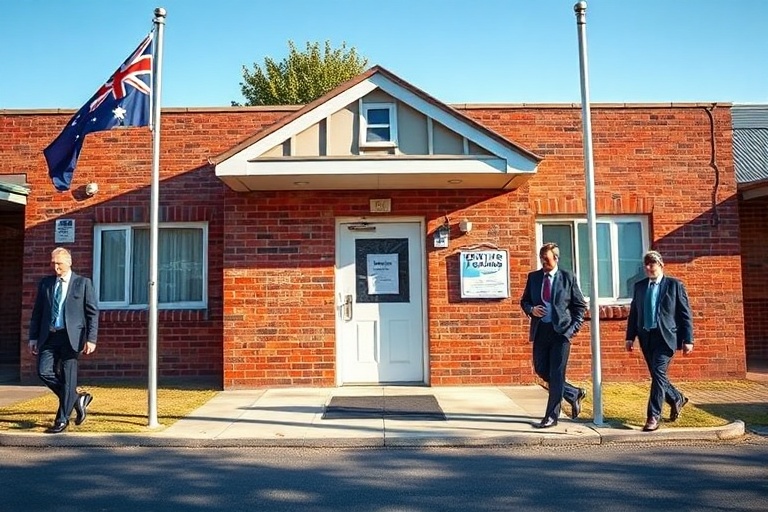
How to Find Your Nearest Polling Station: A Global Voting Guide
“`html
Finding Your Nearest Polling Station: A Practical Guide for Voters Worldwide
Voting remains one of the most fundamental acts of civic participation, yet accessing polling stations can sometimes feel like navigating an unmarked maze. Whether due to relocation, travel, or simply unfamiliarity with local election infrastructure, voters often face logistical hurdles in locating their designated polling place. This challenge varies dramatically across countries, shaped by political systems, technological adoption, and cultural attitudes toward elections.
In nations with advanced digital governance like Estonia, voters can check their polling location online within minutes using a government portal. Meanwhile, in countries with decentralized election systems such as the United States, where polling places are often tied to local school districts or community centers, finding the correct address requires more effort. The process reflects broader themes in civic engagement: accessibility, transparency, and the tension between tradition and modernization in democratic processes.
Why Polling Locations Matter Beyond Just Voting
The placement of polling stations isn’t arbitrary—it carries implications for voter turnout, equity, and even political outcomes. Research from the Politics desk at Dave’s Locker has shown that long travel distances disproportionately affect marginalized communities, reducing participation rates in local and national elections. In India, for example, the Election Commission has expanded mobile polling stations in remote areas to accommodate voters in difficult terrain, ensuring that Himalayan villagers and desert nomads can cast their ballots without trekking for days.
Cultural perceptions also influence polling location strategies. In Japan, where voting is often seen as a civic duty rather than a right, polling places are frequently situated in highly visible public buildings like train stations or post offices. This visibility reinforces the social norm of voting. Conversely, in countries with lower trust in electoral systems, polling stations may be placed in neutral locations to reduce intimidation or bias.
Common Challenges in Locating Polling Stations
Despite these differences, several universal issues complicate the process of finding a polling station:
- Outdated or inaccurate information: Voter registration databases may not be updated promptly, leading to incorrect polling locations being listed online or in printed materials.
- Language barriers: In multilingual societies like Canada or Switzerland, polling station signage and instructions may not be available in all official languages at every location.
- Last-minute changes: Electoral authorities sometimes relocate polling places due to security concerns, natural disasters, or logistical issues, leaving voters scrambling for updates.
- Urban vs. rural disparities: City dwellers often have multiple polling stations within walking distance, while rural residents may need to travel long distances, especially in countries with vast geographic spread like Australia or Canada.
These challenges underscore the need for reliable, up-to-date tools to help voters locate their polling stations quickly and confidently.
Digital Tools and Official Resources: How to Find Your Polling Station
Technology has transformed how voters access polling information, though the level of sophistication varies widely by country. Here’s a global snapshot of the most effective methods:
Government Websites and Apps
Many countries now offer dedicated online portals or mobile applications for election-related queries. For instance:
- United Kingdom: The Find My Polling Station tool allows voters to enter their postcode and receive instant location details.
- Germany: The Bundeswahlleiter (Federal Returning Officer) provides an interactive map on its website, showing polling stations and their opening hours.
- South Korea: The National Election Commission’s mobile app sends real-time notifications about polling locations and even offers translation features for foreign residents.
These platforms are typically the most reliable source of information, as they are maintained by electoral authorities and updated regularly. However, accessibility remains a concern in regions with low internet penetration or for voters who are not tech-savvy.
Alternative Methods When Digital Tools Fail
Not all voters have reliable internet access or smartphones. In such cases, traditional methods still play a crucial role:
- Voter registration cards: Many countries mail out voter information packets weeks before an election, including polling location details. These are often the most trusted source, as they are sent directly by election officials.
- Local election offices: Calling or visiting a municipal election office can provide immediate answers, though wait times may vary during peak election periods.
- Community organizations: Nonprofits, religious groups, and advocacy organizations often distribute polling location guides, especially in underserved communities.
- Media partnerships: Local newspapers and radio stations frequently publish polling location lists in the weeks leading up to an election, catering to audiences who rely on analog communication.
In some countries, like Brazil, where voting is mandatory, polling stations are widely publicized through television and radio campaigns, ensuring high awareness among the electorate.
The Role of Polling Stations in Democratic Culture
Beyond their functional purpose, polling stations serve as microcosms of a nation’s democratic culture. In Finland, for example, polling places are often located in libraries or community centers, reflecting the country’s emphasis on education and civic engagement. The design of these spaces—whether austere government buildings or vibrant school gymnasiums—can subtly influence voter mood and participation.
In contrast, some countries have experimented with unconventional polling locations to boost turnout. During the 2018 Irish referendum on abortion, polling stations were set up in unconventional venues like sports halls and hotels to create a more welcoming atmosphere. This approach aligns with research showing that the physical environment of polling places can affect voters’ psychological comfort and willingness to participate.
Cultural attitudes toward privacy also shape polling station design. In Sweden, voting booths are designed to ensure secrecy, with high partitions and sound-absorbing materials to prevent eavesdropping. Meanwhile, in countries like the Netherlands, where elections are seen as a communal activity, polling stations may have open layouts that encourage conversation among voters.
Polling Stations as Symbols of Trust and Transparency
The location and operation of polling stations can either reinforce or undermine public trust in elections. In the United States, controversies over polling place closures in minority neighborhoods have led to legal challenges, highlighting how access to voting is intertwined with broader issues of racial and economic justice. Similarly, in Kenya, the placement of polling stations has been a point of contention in past elections, with accusations of gerrymandering to favor certain political groups.
Transparency in polling station selection is critical. In Norway, the process for determining polling locations is publicly documented, with criteria such as accessibility and proximity to public transport given equal weight to political considerations. This approach helps maintain confidence in the electoral system, even among opposition parties.
Planning Ahead: What Voters Should Do Before Election Day
Locating your polling station is just the first step. To ensure a smooth voting experience, consider the following preparations:
- Verify your voter registration status: Some countries require voters to register in advance. Check deadlines and requirements on your national election commission’s website.
- Check identification requirements: Some nations mandate specific IDs, while others rely on voter rolls. Missteps here can lead to delays or denial of voting rights.
- Review sample ballots (if available): Familiarizing yourself with the ballot beforehand can streamline the process and reduce errors on election day.
- Plan your travel route: Factor in potential delays, especially in urban areas where traffic or public transit disruptions are common.
- Know your rights: In many countries, employers are required to provide time off for voting. Research your local labor laws to avoid conflicts.
For voters traveling abroad on election day, some countries offer postal voting or embassy-based polling stations. The U.S. State Department, for example, facilitates absentee ballots for overseas citizens through its Federal Voting Assistance Program. Planning ahead is essential, as deadlines for requesting and submitting ballots can be strict.
Conclusion: Every Vote Counts, Every Location Matters
Finding your nearest polling station may seem like a minor administrative task, but it reflects deeper themes in civic life: accessibility, equity, and the health of democratic institutions. As election systems evolve—whether through digital innovation, policy reforms, or grassroots advocacy—the goal remains constant: ensuring that every eligible voter can participate without undue burden.
For voters, the process begins with a simple question: “Where do I go?” The answer, however, is shaped by a complex interplay of geography, technology, and culture. By staying informed and planning ahead, citizens can turn this logistical step into a seamless part of their democratic duty.
As political landscapes shift and new challenges emerge, the humble polling station remains a cornerstone of electoral integrity. Whether it’s a repurposed community center in rural India or a sleek government portal in Estonia, these locations are more than addresses—they are symbols of a nation’s commitment to inclusion and fairness.