The Manchester Arena bombing on May 22, 2017, remains one of the darkest days in modern British history. The attack, which occurred as crowds were leaving an Ariana Grande concert, killed 22 people and injured hundreds more. Beyond the immediate devastation, the bombing exposed vulnerabilities in public security and left a lasting impact on the city and its people.
This article examines the timeline of events, the investigation that followed, and the long-term consequences of the tragedy. It also considers how Manchester recovered and the ongoing efforts to honor the victims.
The Night of the Attack: What Happened at Manchester Arena
On May 22, 2017, at approximately 10:31 PM, a homemade bomb detonated in the foyer of Manchester Arena. The explosion occurred as concertgoers, many of them young fans of Ariana Grande, exited the venue following her performance as part of the “Dangerous Woman Tour.” The blast killed 22 people, including an 8-year-old girl, and injured 119 others, some critically.
The attack was later claimed by the Islamic State (ISIS), which issued a statement praising the bomber. The device contained approximately 33 pounds of homemade explosives packed with metal shrapnel designed to maximize casualties. The explosion shattered windows, sent debris flying, and created chaos in the crowded foyer.
Emergency services responded within minutes. Paramedics, police, and firefighters worked through the night to treat the wounded and secure the scene. The attack was classified as a terrorist incident, prompting a massive investigation by Greater Manchester Police and national security agencies.
Key Moments in the Immediate Aftermath
- 10:31 PM: Bomb detonates in the arena foyer.
- 10:33 PM: Emergency services arrive at the scene.
- 11:00 PM: Police confirm the incident is being treated as a terrorist attack.
- May 23: ISIS claims responsibility for the bombing.
- May 24: A vigil is held in Manchester’s Albert Square, attended by thousands.
The Investigation and Trial: Uncovering the Bomber’s Identity
Within hours of the attack, investigators identified the bomber as 22-year-old Salman Ramadan Abedi, a British-born man of Libyan descent. Abedi had been known to security services due to his extremist views and prior contacts with known radicals. He had traveled to Libya in the weeks leading up to the attack, where he likely received additional training or support.
The investigation revealed that Abedi and his brother, Hashem Abedi, had planned the attack over several months. They purchased materials for the bomb and surveilled the arena in the days before the explosion. Hashem was later arrested in Libya and extradited to the UK, where he was convicted as an accomplice in the bombing.
The trial, which concluded in 2020, provided chilling details about the bomber’s motivations and the planning involved. Prosecutors described Abedi as a committed extremist who sought to inflict maximum casualties. The case also highlighted failures in intelligence sharing, as Abedi had been flagged by authorities but not deemed an immediate threat.
Controversies and Criticisms
The investigation faced scrutiny over several issues:
- MI5’s Role: Critics questioned why Abedi wasn’t monitored more closely despite his known extremist ties. A report by the Intelligence and Security Committee found that MI5’s handling of Abedi was “a serious mistake,” though no single failure led to the attack.
- Security Measures: The arena’s security was criticized for not having stricter bag checks or barriers in the foyer. The venue had relied on standard concert security protocols rather than counterterrorism measures.
- Victim Support: Some survivors and families of victims argued that compensation and mental health support were inadequate. The government later established the Victims of Terrorism Compensation Scheme to address these concerns.
Manchester’s Resilience: How the City Recovered
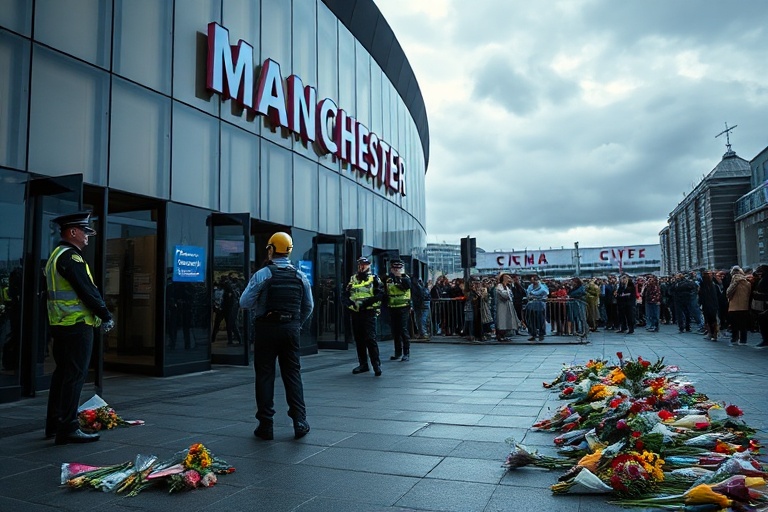
In the weeks following the bombing, Manchester became a symbol of defiance and unity. The city’s residents, along with people across the UK and beyond, came together to show solidarity with the victims. Vigils were held worldwide, and Ariana Grande returned to Manchester just weeks later for a benefit concert titled “One Love Manchester.” The event raised millions for victims and was broadcast to millions of viewers.
The bombing also spurred changes in public security. Manchester Arena underwent a £5 million refurbishment, including enhanced security measures such as stricter entry protocols and increased police presence at large events. The UK government introduced new legislation, such as the Counter-Terrorism and Border Security Act 2019, to strengthen defenses against future attacks.
For many survivors, however, recovery has been a long and painful process. The physical and emotional scars remain, with some victims experiencing long-term trauma. Mental health charities in Manchester reported a surge in demand for counseling services in the years following the attack.
Ongoing Memorials and Tributes
The victims of the Manchester Arena bombing are remembered in several ways:
- Memorial Garden: Located near the arena, the garden features a permanent memorial with the names of the 22 victims engraved on plaques.
- Annual Remembrance Events: Each year on May 22, vigils and tributes are held to honor those who lost their lives.
- The Manchester Foundation Trust: A charity established to support victims and their families, providing financial aid and mental health services.
Lessons Learned and the Path Forward
The Manchester Arena bombing served as a wake-up call for the UK and Europe. It exposed gaps in counterterrorism efforts, public security, and intelligence sharing. In response, authorities implemented stricter measures, including increased surveillance of known extremists and improved coordination between police and security services.
However, the attack also highlighted the challenges of balancing security with public freedoms. Large events, such as concerts and sporting matches, remain vulnerable targets. The debate over how to protect such spaces without creating a fortress-like environment continues to this day.
For Manchester, the bombing was a turning point that reshaped the city’s identity. While the pain of that night will never fade, the resilience of its people has become a defining characteristic. The tragedy also underscored the importance of community and solidarity in the face of adversity.
Looking Ahead: Preventing Future Attacks
Since 2017, the UK has taken steps to prevent similar tragedies, including:
- Increased Police Presence: More armed officers are deployed at large public events.
- Enhanced Venue Security: Arenas and stadiums now follow stricter security protocols, including mandatory bag searches and metal detectors.
- Intelligence Sharing: MI5 and police forces collaborate more closely to monitor high-risk individuals.
- Public Awareness Campaigns: Campaigns like “See It, Say It, Sorted” encourage the public to report suspicious activity.
Despite these efforts, the threat of terrorism remains a reality. The Manchester Arena bombing serves as a stark reminder of the need for vigilance, compassion, and preparedness in an uncertain world.
Conclusion: Honoring the Victims and Moving Forward
The Manchester Arena bombing was a senseless act of violence that shattered lives and left an indelible mark on the city. Yet, in its aftermath, Manchester demonstrated the power of resilience and unity. The victims are remembered not just for how they died, but for the lives they lived and the love they shared.
As the years pass, the city continues to heal, but the memories of that night remain. The lessons learned from the attack have shaped security policies and community efforts, ensuring that the victims’ legacy endures. For those who lost loved ones, for the survivors who carry scars, and for the city that refuses to be broken, the journey toward healing is ongoing.
Manchester’s story is one of tragedy and triumph—a reminder that even in the darkest moments, humanity can prevail. The 22 lives lost on May 22, 2017, will never be forgotten, and their memory continues to inspire acts of kindness, courage, and solidarity across the globe.