Manitoba’s Hidden Gems: Nature, Culture & Adventure in Canada’s Prairies
“`html
Discover Manitoba: Canada’s Hidden Prairie Gem
Manitoba, often overshadowed by its more famous Canadian counterparts, quietly stands as a testament to the country’s diverse cultural and geographical tapestry. Nestled in the heart of the Canadian Prairies, this province offers a unique blend of natural wonders, rich Indigenous heritage, and vibrant urban life. While cities like Toronto and Vancouver dominate global headlines, Manitoba thrives as a destination of authenticity, where tradition meets modernity in unexpected ways.
The province’s capital, Winnipeg, serves as a cultural hub that defies expectations. Known for its thriving arts scene, historic neighborhoods, and culinary innovation, the city challenges the stereotype of the Prairies as a remote or monotonous landscape. Meanwhile, the vast northern regions of Manitoba remain some of the most untouched wilderness areas in North America, offering solitude and breathtaking landscapes that attract adventurers from around the world.
A Land of Contrasts: Geography and Climate
Manitoba’s geography is defined by its extremes. To the north, the vast boreal forest stretches endlessly, interspersed with thousands of lakes and rivers that define the province’s identity. This northern wilderness is home to polar bears in Churchill, a town famously known as the “Polar Bear Capital of the World,” where visitors can observe these majestic creatures in their natural habitat. The annual migration draws wildlife enthusiasts from across the globe, contributing to Manitoba’s reputation as a premier ecotourism destination.
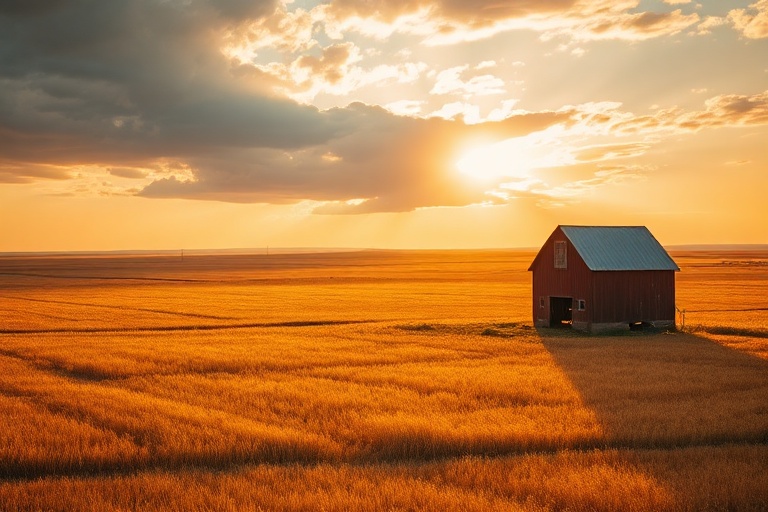
Contrast this with the southern regions, where fertile farmland gives way to rolling prairies and the rugged beauty of the Canadian Shield. The Red River Valley, with its rich soil, has long been the agricultural backbone of the province, producing everything from wheat to canola. The contrast between the northern wilderness and southern farmland creates a dynamic landscape that few provinces can match.
The climate, too, is a study in extremes. Winters are long, cold, and snowy, with temperatures often dipping below -30°C (-22°F). Yet, Manitobans embrace the season with festivals like Festival du Voyageur, a celebration of Franco-Manitoban culture that transforms Winnipeg into a winter wonderland. Summers, on the other hand, are warm and sunny, with long daylight hours that inspire outdoor activities from hiking to kayaking on the province’s countless waterways.
Cultural Mosaic: Indigenous Roots and Immigrant Influence
Manitoba’s cultural landscape is as diverse as its geography. The province is home to one of the largest Indigenous populations in Canada, with First Nations, Métis, and Inuit communities contributing to its rich heritage. Places like The Forks in Winnipeg, a historic meeting place for Indigenous peoples and European settlers, serve as a reminder of the province’s layered history. Today, the Canadian Museum for Human Rights stands as a powerful symbol of reconciliation and education, drawing visitors who seek to understand Canada’s complex past.
The province’s immigrant communities have also left an indelible mark. Winnipeg’s Exchange District, with its turn-of-the-century architecture, reflects the city’s historical ties to immigration from Eastern Europe, particularly Ukraine. The annual Folklorama festival, the largest and longest-running multicultural festival in the world, showcases over 40 cultures through music, dance, and food. This celebration of diversity is a testament to Manitoba’s inclusive spirit and its ability to foster harmony among different communities.
A Culinary Journey Through Manitoba
Food in Manitoba is a reflection of its cultural diversity and natural bounty. The province’s culinary scene is a blend of Indigenous traditions, immigrant influences, and modern innovation. One cannot visit Manitoba without indulging in its iconic dishes:
- Perogies: A staple of Ukrainian cuisine, these dumplings are a must-try. Filled with ingredients like potato, cheese, or meat, they are often served with sour cream or fried onions. Many communities across the province host perogy-making workshops, offering visitors a hands-on experience.
- Bannock: A simple yet versatile bread, bannock has Indigenous roots and is often enjoyed fried or baked. It can be served sweet with jam or savory with stew, making it a versatile dish in Manitoba’s culinary repertoire.
- Pickerd: A traditional Métis dish, pickerd is a type of fried bread that is crispy on the outside and soft on the inside. It’s often served with maple syrup or berries, offering a taste of the province’s Indigenous heritage.
- Wild Game: Manitoba’s vast wilderness provides an abundance of wild game, from venison to bison. Restaurants across the province serve dishes that highlight the province’s hunting traditions, offering a taste of the outdoors.
- Saskatoon Berry Pie: Made with the province’s namesake berry, this dessert is a sweet symbol of Manitoba’s agricultural roots. The berries, which grow wild in the province, are used in everything from jams to wines.
Winnipeg’s food scene is particularly notable for its farm-to-table restaurants and innovative chefs who are redefining prairie cuisine. The city’s Exchange District and Corydon Village neighborhoods are lined with cafes, bakeries, and eateries that showcase local ingredients and global influences. Whether it’s a cozy diner serving up hearty breakfasts or a high-end restaurant crafting modern tasting menus, Manitoba’s culinary offerings are as diverse as its people.
Manitoba on the Global Stage
While Manitoba may not always grab international headlines, it has played a significant role in shaping Canada’s identity. The province has been a leader in progressive policies, from environmental conservation to social justice initiatives. Manitoba was the first province in Canada to establish a Ministry of Aboriginal and Northern Affairs, reflecting its commitment to Indigenous reconciliation and northern development.
In sports, Manitoba has produced world-class athletes who have made their mark on the global stage. The province is home to the Winnipeg Jets, a beloved NHL team with a passionate fan base. The sports culture in Manitoba is deeply ingrained in its communities, with local leagues and events drawing crowds year-round. From hockey to curling, Manitobans embrace sports as a way of life.
Manitoba’s contributions to the arts are equally noteworthy. The Winnipeg Symphony Orchestra, the Royal Manitoba Theatre Centre, and the Winnipeg Art Gallery are just a few of the institutions that have put the province on the map as a cultural destination. The Winnipeg Folk Festival, one of the most renowned music festivals in Canada, attracts performers and audiences from around the world, further cementing the province’s reputation as a hub for creativity.
Economic Drivers and Innovation
Manitoba’s economy is as diverse as its landscape. Agriculture remains a cornerstone, with the province producing over half of Canada’s canola. The manufacturing sector, particularly aerospace and transportation, is another key driver, with companies like Boeing and StandardAero having a significant presence in the province. Meanwhile, the tech sector is rapidly growing, with Winnipeg emerging as a hub for startups and innovation.
The province’s commitment to renewable energy is also noteworthy. Manitoba is a leader in hydroelectric power, with over 99% of its electricity generated from renewable sources. This focus on sustainability has positioned Manitoba as a model for other regions seeking to transition to clean energy.
Education is another area where Manitoba punches above its weight. The University of Manitoba and the University of Winnipeg are renowned for their research and academic programs, attracting students from around the world. The province’s investment in education has created a skilled workforce that drives innovation and economic growth.
Why Manitoba Deserves Your Attention
Manitoba is a province that defies expectations. It is a place where natural beauty, cultural diversity, and economic resilience come together to create a unique and compelling destination. Whether you’re drawn to its vast wilderness, its vibrant cities, or its rich cultural heritage, Manitoba offers something for everyone.
For those seeking adventure, the province’s national parks, including Riding Mountain and Wapusk, provide unparalleled opportunities for hiking, wildlife viewing, and camping. For culture enthusiasts, Winnipeg’s museums, festivals, and historic sites offer a deep dive into Canada’s past and present. And for food lovers, the province’s culinary scene is a journey through flavors and traditions that reflect its diverse communities.
Manitoba is more than just a stop on the way to somewhere else. It is a destination in its own right, a place where the spirit of the Prairies meets the energy of urban life. As the world becomes increasingly interconnected, Manitoba stands as a reminder of the beauty and resilience of smaller, less heralded regions. It is a province that invites exploration, fosters connection, and leaves a lasting impression on all who visit.
In a time when travel often feels like a race to tick off destinations on a list, Manitoba offers something rare: authenticity. It is a place where you can slow down, connect with nature, and engage with communities that are proud of their heritage and eager to share it. Whether you’re a first-time visitor or a returning traveler, Manitoba promises an experience that is as enriching as it is unforgettable.