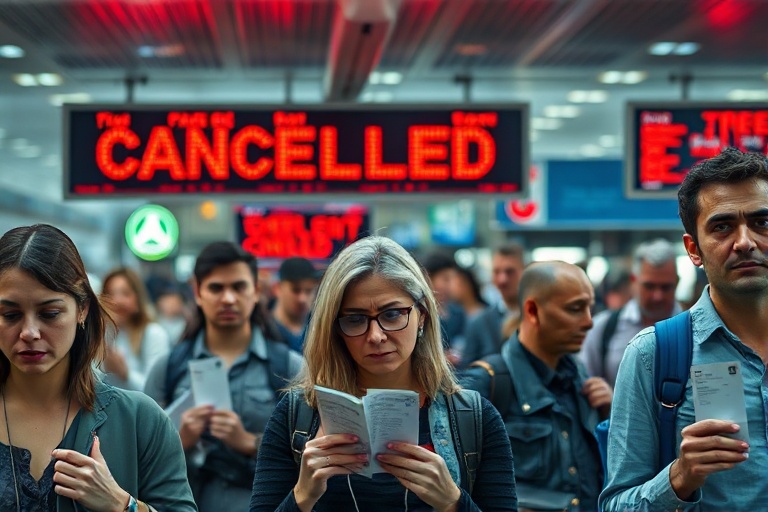
The May half-term holiday period is typically one of the busiest travel windows of the year in the UK. Families flock to destinations across Europe and beyond, eager to make the most of the warmer weather and school breaks. However, this year, the aviation sector is facing significant disruptions, with airlines cancelling hundreds of flights during the peak travel window. The issue stems from a combination of factors, including staff shortages, ongoing technical challenges, and unpredictable weather patterns.
For travellers, these cancellations are more than just an inconvenience—they represent lost time, additional expenses, and the stress of last-minute adjustments. Airlines, meanwhile, are struggling to manage the fallout, with some pointing to broader industry-wide challenges that show no signs of abating. Below, we break down the causes, consequences, and what travellers can do to mitigate the impact of these disruptions.
Why Are Flights Being Cancelled During May Half-Term?
The cancellations are not the result of a single issue but rather a convergence of factors that have created a perfect storm for the aviation industry. At the forefront is the persistent shortage of airline staff, including pilots, cabin crew, and ground handlers. The pandemic led to mass layoffs and furloughs, and while many staff have returned, the sector has struggled to fully rebuild its workforce. Training new employees takes time, and the demand for qualified personnel remains high.
Technical issues are also playing a significant role. Airlines have faced repeated problems with aircraft maintenance, software glitches, and air traffic control delays. Some carriers have attributed cancellations to “operational disruptions,” a vague term that often masks deeper systemic issues. Additionally, unpredictable weather—particularly across Northern Europe—has forced airlines to ground flights as a precaution, further exacerbating the problem.
The timing of these cancellations is particularly unfortunate. May half-term is a critical period for families planning short-haul getaways, and the cancellations have left many scrambling to rebook or find alternative arrangements. Airlines such as easyJet, Ryanair, and British Airways have been among the most affected, with thousands of passengers left in limbo.
The Ripple Effect: How Cancellations Impact Travellers and Airlines
The immediate impact on travellers is clear: disrupted plans, lost money, and the emotional toll of dealing with cancellations. Many families have booked hotels and activities months in advance, only to find their flights cancelled with little notice. Airlines are required to compensate passengers under EU regulations, but the process can be slow and inconsistent, leaving many out of pocket.
Airlines, too, are feeling the strain. Refunds and compensation claims are placing financial pressure on carriers already operating on tight margins. Some airlines have responded by offering vouchers instead of cash refunds, a move that has drawn criticism from consumer rights groups. The cancellations also create a domino effect, disrupting schedules for days after the initial disruption, as airlines struggle to reallocate aircraft and crew.
The broader implications for the travel industry are equally concerning. Holidaymakers may reconsider their plans for future trips, opting for destinations reachable by train or car to avoid the uncertainty of air travel. This could have long-term effects on airlines’ bottom lines, particularly as fuel costs remain high and competition from alternative travel options grows.
Key Takeaways for Travellers
- Check your flight status frequently: Airlines often update schedules last-minute, so monitor your flight’s status via the airline’s app or website.
- Know your rights: Under EU regulations, passengers are entitled to compensation for cancellations, but airlines may try to offer vouchers instead of refunds. Know what you’re entitled to before accepting any alternatives.
- Consider travel insurance: If you haven’t already, ensure your policy covers cancellations and disruptions. Some policies offer additional protections for weather-related delays.
- Have a backup plan: If your flight is cancelled, explore alternative routes or modes of transport, such as Eurostar or ferry services, which may offer more reliable options.
- Contact the airline directly: If you’re stranded, reach out to the airline’s customer service as soon as possible. Some airlines have dedicated helplines for disrupted passengers.
Industry Responses and Long-Term Solutions
Airlines are under intense scrutiny to address the root causes of the cancellations. Some carriers have begun hiring more staff and investing in training programs to rebuild their workforce. Others are exploring technological solutions, such as AI-driven scheduling tools, to better manage disruptions. However, these measures take time to implement, and travellers are unlikely to see immediate improvements.
The UK government has also weighed in, with the Civil Aviation Authority (CAA) urging airlines to prioritise passenger welfare. The CAA has threatened enforcement action against carriers that fail to meet their obligations, including providing adequate compensation and assistance. Still, the regulatory landscape remains complex, and airlines often push back against strict oversight.
For the travel industry as a whole, the current disruptions highlight the fragility of the aviation sector. Airlines are operating in an environment of high costs, labour shortages, and increasing competition from low-cost carriers and alternative travel options. The May half-term cancellations may be a symptom of deeper issues that will require systemic changes to resolve.
Looking Ahead: What’s Next for May Half-Term Travel?
As the May half-term period progresses, travellers are advised to remain flexible and patient. While airlines work to resolve the cancellations, passengers should prepare for the possibility of further disruptions. It’s also worth noting that the issue may extend beyond May, as airlines continue to grapple with staffing and technical challenges.
For those planning future trips, it’s worth considering whether air travel is the most reliable option. Trains, for example, have seen fewer disruptions this year, and booking in advance can help secure seats. Alternatively, travellers could explore staycations or closer destinations that don’t require flights, reducing the risk of cancellations altogether.
Ultimately, the May half-term cancellations serve as a reminder of the unpredictability of modern travel. While airlines and regulators work to address the underlying issues, travellers must remain vigilant and proactive in managing their plans. The lessons learned this May could shape travel habits for years to come.
For more insights on travel disruptions and how to navigate them, visit our Travel and News sections for up-to-date coverage and expert analysis.