basketball fouls
“`html
Understanding Basketball Fouls: Rules, Culture, and Global Impact
The whistle blows. The crowd groans. A player clutches their leg or arm, signaling a foul has been called. Basketball fouls are more than just stoppages in play; they are integral to the game’s rhythm, strategy, and even its cultural identity. Whether in the NBA, FIBA, or local leagues worldwide, fouls shape how the game is played, officiated, and perceived.
From the physicality of the NBA to the tactical fouling in European leagues, the way fouls are called—and contested—varies dramatically. These differences reflect broader themes in basketball’s global evolution: the balance between athleticism and sportsmanship, the influence of international play, and the ever-present debate over officiating consistency. To understand basketball fully, one must first understand its fouls.
Types of Fouls and Their Consequences
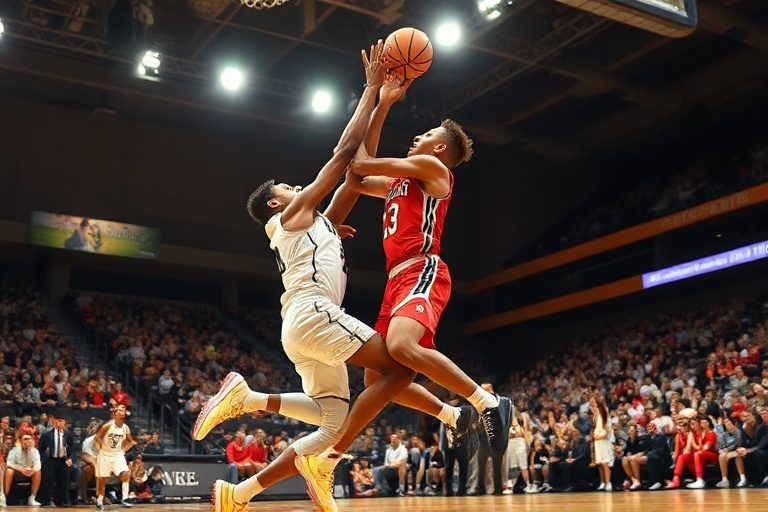
Basketball fouls fall into several categories, each with distinct rules and penalties. Personal fouls, the most common, occur when a player makes illegal contact with an opponent. These can include pushing, holding, or blocking a player in a disadvantageous position. In the NBA, a player is disqualified after six personal fouls, while FIBA rules set the limit at five.
Other foul types include:
- Flagrant fouls: Violent or dangerous contact that endangers player safety. These result in free throws and ejection from the game.
- Technical fouls: Unsportsmanlike conduct, excessive arguing, or delays of game. These award free throws to the opposing team and can accumulate without disqualification.
- Loose ball fouls: Illegal contact during a scramble for the ball, often leading to possession changes.
- Offensive fouls: Illegal contact initiated by the player with the ball, such as charging into a stationary defender.
The consequences of fouls extend beyond immediate penalties. In close games, strategic fouling—intentionally fouling to stop the clock or force poor free-throw shooters—becomes a tactical weapon. Teams like the San Antonio Spurs in the 2010s perfected this approach, frustrating opponents while minimizing defensive breakdowns. Yet, this strategy also invites criticism for disrupting the game’s flow.
Global Variations in Foul Calling
Basketball’s global reach means foul interpretation varies by league, region, and officiating philosophy. The NBA, with its emphasis on entertainment and athleticism, tends to call fewer fouls than FIBA or European leagues, where physicality is often more closely scrutinized. In the 2023 FIBA World Cup, referees averaged 42 fouls per game, compared to 38 in the NBA. These differences can alter how the game is played.
Cultural attitudes toward fouls also shape officiating. In the Philippines, where basketball is a national obsession, fans often protest perceived fouls with passionate outbursts. Referees face immense pressure to maintain order, sometimes leading to controversial calls. Similarly, in Eastern Europe, where basketball has deep historical roots, officials may prioritize fluid, continuous play over frequent whistle stops—a contrast to the NBA’s more stop-and-start style.
These variations highlight a broader tension in global basketball: Should the game prioritize speed and spectacle, or precision and fairness? The answer often depends on who you ask—and where they’re watching from.
The Psychology of Fouls: Players, Referees, and Fan Reactions
Fouls are not just technicalities; they are psychological battlegrounds. Players like Dennis Rodman and Kawhi Leonard built careers on defensive intensity, drawing fouls through relentless pressure. Others, like James Harden, have mastered the art of drawing offensive fouls by exploiting defensive positioning. The mental game of fouling—knowing when to initiate contact or avoid it—can determine a player’s effectiveness.
Referees, too, operate under psychological pressures. In high-stakes games, the fear of missing a call can lead to hesitation or over-correcting. The NBA’s introduction of replay reviews for flagrant fouls and out-of-bounds plays has added another layer of complexity, forcing officials to second-guess their initial judgments. Meanwhile, in amateur leagues worldwide, referee shortages often mean fewer eyes on the game, leading to inconsistent foul calls.
Fans amplify these dynamics. A disputed foul in a packed arena can spark chants, boos, or even post-game debates that last for days. Social media amplifies these reactions, turning fouls into viral moments. In 2022, a controversial foul in a EuroLeague game between Real Madrid and Barcelona sparked a trending hashtag (#EuroLeagueScandal) and renewed calls for video review in European basketball.
These moments reveal how fouls transcend the court. They become part of basketball’s cultural narrative, shaping narratives, rivalries, and even the sport’s global image.
The Future of Fouls: Technology and Rule Changes
Basketball is evolving, and so are its foul rules. The NBA’s implementation of the “no-charge” zone under the basket in 2011 aimed to reduce collisions near the rim. FIBA has experimented with a “foul differential” system in youth leagues to limit physical play. Meanwhile, the rise of player-tracking technology—like SportVU cameras—has given coaches and referees new tools to analyze foul tendencies.
Looking ahead, several trends could reshape foul enforcement:
- Expanded video review: The NBA’s current replay system may expand to include more foul types, reducing human error.
- Global standardization: FIBA is pushing for more consistent foul calls across international competitions, particularly ahead of the 2028 Olympics.
- Player safety initiatives: Rule changes to limit dangerous contact, such as stricter flagrant foul enforcement, could alter defensive strategies.
- Automated officiating: Experimental AI tools are being tested to detect fouls in real-time, though widespread adoption remains years away.
These changes reflect basketball’s ongoing struggle to balance tradition with innovation. Fouls, once seen as simple infractions, are now central to debates about the sport’s future.
Conclusion: Fouls as a Mirror of Basketball’s Soul
Basketball fouls are more than mistakes or missteps; they are the game’s built-in pressure valves, safety mechanisms, and strategic tools. They reveal where a league values athleticism over precision, where referees draw their lines, and where fans find their passions. From the NBA’s fast-paced whistles to the deliberate fouling of European basketball, fouls tell a story of a sport in constant motion.
As basketball grows globally, so too will the debates over fouls. Will technology bring consistency? Will rule changes prioritize speed or safety? One thing is certain: fouls will remain at the heart of the game, shaping its past, present, and future.
For those looking to dive deeper into basketball’s rules and culture, explore our Sports section or check out our analysis of global basketball trends.
—
METADATA
{
“title”: “Basketball Fouls Explained: Rules, Global Differences, and Controversies”,
“metaDescription”: “From NBA to FIBA, fouls shape basketball’s flow and culture. Learn the rules, global differences, and future of foul enforcement.”,
“categories”: [“Sports”, “Analysis”],
“tags”: [“basketball fouls”, “NBA rules”, “FIBA officiating”, “sports psychology”, “global basketball”],
“imageDescription”: “A split-screen image showing an NBA referee blowing a whistle in a fast-paced game on one side, and a FIBA referee making a call in a packed international arena on the other. The setting is dynamic, with players in motion and fans reacting in the background, highlighting the contrast in officiating styles.”
}
—END METADATA—
“`