The Slam Dunk: How Basketball’s Iconic Move Shaped Global Culture
“`html
Slam Dunk: The Global Impact of Basketball’s Most Iconic Move
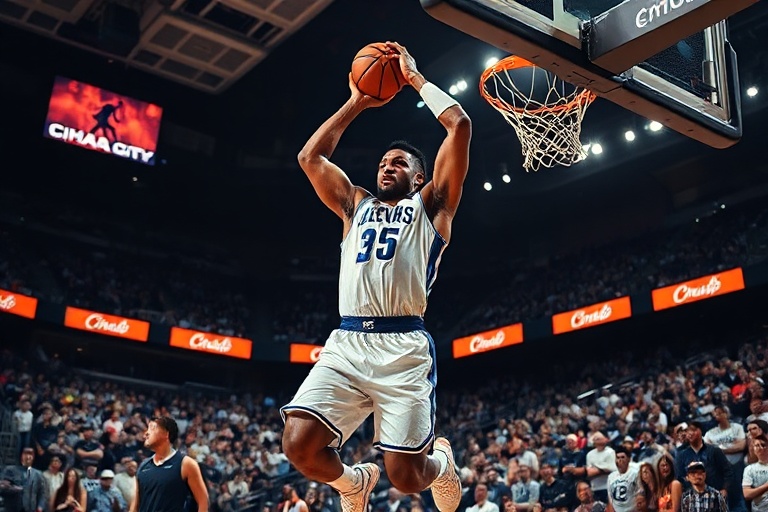
The slam dunk is more than just a scoring play in basketball—it’s a cultural symbol, a moment of pure athleticism, and a universal language understood by fans worldwide. Since its inception, the slam dunk has evolved from a novelty to a defining feature of the game, transcending sports to influence fashion, music, and even social movements. Its simplicity and power make it one of the most recognizable gestures in sports, bridging gaps between cultures and generations.
Basketball’s roots stretch back to the late 19th century, but the slam dunk didn’t emerge as a formal part of the game until the 1930s. The term itself wasn’t even officially recognized by the NCAA until 1936, when the rule prohibiting dunking during games was lifted. This change opened the door for players to showcase their creativity and explosiveness, turning the dunk into an art form. Over the decades, the slam dunk became a way to intimidate opponents, energize teammates, and electrify crowds, cementing its place in the sport’s identity.
The Cultural Rise of the Slam Dunk
The slam dunk’s influence extends far beyond the hardwood. In the 1980s and 1990s, the NBA’s global expansion, fueled by stars like Michael Jordan and Dominique Wilkins, turned dunking into a global spectacle. Jordan’s iconic free-throw-line dunk in the 1988 Slam Dunk Contest remains one of the most replayed moments in sports history, while Wilkins’ acrobatic style redefined what was possible in mid-air. These players didn’t just score points—they created a visual language that resonated across continents.
The dunk also became a cornerstone of hip-hop culture, particularly in the U.S. and beyond. Artists like LL Cool J and Public Enemy referenced dunking in their lyrics, while streetball legends like Earl “The Goat” Manigault became folk heroes in urban communities. The dunk’s raw energy mirrored the rebellious spirit of hip-hop, making it a perfect match for the genre’s aesthetic. Today, sneaker culture and basketball are inseparable, with brands like Nike and Adidas using dunk-inspired designs to market shoes globally.
Internationally, the slam dunk has taken on unique meanings. In the Philippines, where basketball is the most popular sport, dunking is often associated with local heroes like Calvin Abueva and Kiefer Ravena. The country’s passion for the game has led to the creation of streetball tournaments where creativity and flair are just as valued as winning. Meanwhile, in Europe, where basketball has grown rapidly, players like France’s Victor Wembanyama are redefining the dunk’s role in a more strategic, less flashy style of play.
From Streetball to the Olympics: The Dunk’s Evolution
The slam dunk’s journey from playgrounds to professional courts reflects broader changes in basketball. Streetball culture, with its emphasis on style and one-on-one competition, has always been a breeding ground for dunk innovation. Moves like the tomahawk dunk, windmill, and 360-degree spin have roots in these urban courts, where players developed tricks to outmaneuver opponents in tight spaces. These styles eventually made their way into the NBA, where players like Vince Carter and Zion Williamson brought their streetball flair to the league’s biggest stages.
The Olympics have also played a key role in the dunk’s global spread. The 1992 U.S. “Dream Team” showcased dunking to international audiences, inspiring countless players worldwide. Today, dunk contests at the Olympics, though less frequent than in the NBA, still draw massive attention. In 2020, France’s Rudy Gobert and the U.S.’s Bam Adebayo wowed crowds with their athleticism, proving that the dunk remains a universal highlight.
Women’s basketball has also embraced the dunk, though its presence is still less common due to physical differences. Players like Lisa Leslie, who became the first woman to dunk in a WNBA game in 2002, and Brittney Griner, with her high-flying style, have shattered stereotypes and expanded the dunk’s narrative. Their performances challenge outdated perceptions of women’s sports, proving that athleticism knows no gender.
The Dunk’s Role in Modern Basketball Strategy
While the slam dunk is often celebrated for its entertainment value, it has also become a strategic tool in modern basketball. Coaches now analyze dunking not just for its psychological impact but for its efficiency. A well-executed dunk scores two points while demoralizing the defense, making it a high-reward play. Teams like the Milwaukee Bucks and the Denver Nuggets have built their offenses around rim pressure, with players like Giannis Antetokounmpo and Nikola Jokić using their dunking ability to create mismatches.
The dunk’s effectiveness has even influenced rule changes. The NCAA’s 2015-16 season introduced a rule limiting defensive players from attempting to block shots above the rim unless they’re within the restricted area. This change was partly aimed at reducing injuries from dangerous collisions near the basket, but it also highlighted the dunk’s growing significance in the game. Meanwhile, the NBA’s emphasis on spacing and three-point shooting has led to more alley-oop dunks, where players catch passes mid-air and finish with authority.
Technology has also changed how dunks are analyzed. High-speed cameras and motion-tracking software allow coaches to break down a player’s hang time, approach angle, and body control. This data helps players refine their technique, turning the dunk from a flashy move into a measurable skill. For aspiring athletes, apps and online tutorials offer step-by-step guides to mastering everything from the basic two-handed jam to the most advanced reverse dunks.
Why the Slam Dunk Endures
The slam dunk’s longevity can be attributed to its simplicity and adaptability. Unlike complex plays that require precise timing, a dunk is a direct expression of athleticism—something anyone can appreciate. It doesn’t matter if you’re in Los Angeles, Tokyo, or Lagos; the sight of a player soaring above the rim to slam the ball through the hoop is universally thrilling. This accessibility has made the dunk a staple in video games, movies, and even political protests, where it’s used as a metaphor for overcoming obstacles.
For many, the dunk represents more than just scoring. It’s a symbol of perseverance, creativity, and joy. Players like Spud Webb, who won the 1986 Slam Dunk Contest despite being one of the shortest competitors at 5’7”, proved that size isn’t everything. His underdog story resonated with fans who saw their own struggles reflected in his journey. Similarly, Dennis Rodman’s unconventional style—often including behind-the-back and off-the-glass dunks—challenged traditional notions of what a basketball player should look like.
The dunk’s global appeal is also tied to its role in youth sports. For many young players, the first time they touch a basketball is when they attempt their first dunk. It’s a rite of passage, a moment of pride that motivates them to practice harder. Basketball academies in Africa, Asia, and Europe often use dunking as a way to attract talent, knowing that the promise of soaring above the rim can inspire a lifelong love for the game.
A Legacy That Goes Beyond the Game
As basketball continues to grow, the slam dunk remains a cornerstone of its identity. It’s a bridge between past and present, connecting legends like Wilt Chamberlain and Kareem Abdul-Jabbar to today’s stars like LeBron James and Ja Morant. The dunk’s cultural footprint extends into music, fashion, and art, where it’s celebrated as a symbol of power and creativity. Even in non-sports contexts, the phrase “slam dunk” is used to describe something guaranteed to succeed—a testament to its enduring impact.
For fans, the thrill of a well-executed dunk is timeless. Whether it’s a last-second game-winner in an NBA Finals game or a viral clip of a 12-year-old outshining their peers on a local court, the dunk captures the essence of basketball: excitement, innovation, and sheer determination. As the game evolves, the slam dunk will undoubtedly adapt, but its place in the heart of basketball is secure.
For those looking to dive deeper into basketball’s cultural and technical aspects, explore our Sports and Culture sections for more insights.