What Is Melanoma?
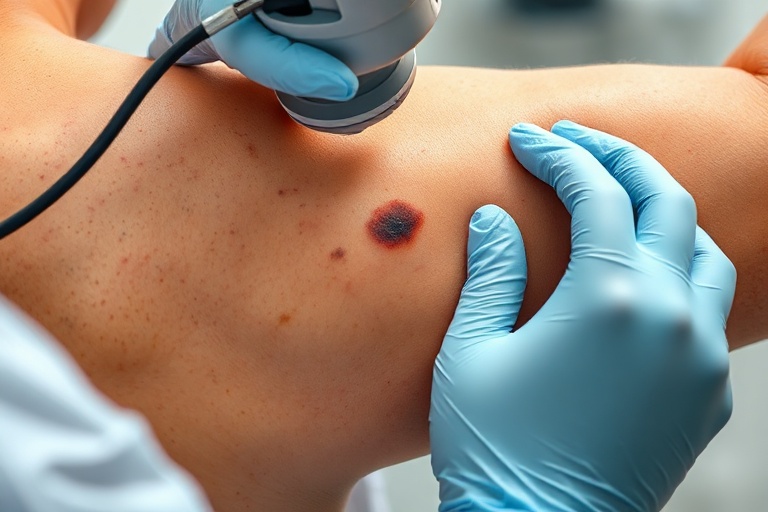
Melanoma is the most serious type of skin cancer, developing in the cells that produce melanin—the pigment responsible for skin color. Unlike other skin cancers, melanoma can spread rapidly to other organs if not detected early. While it accounts for only about 1% of all skin cancer cases, it causes the majority of skin cancer deaths worldwide.
This disease often appears as an unusual mole or dark spot on the skin, but it can also form in less obvious places such as the eyes, mouth, or under the nails. Its unpredictable nature makes awareness and early detection critical. Public health campaigns in countries like Australia and the United States have significantly raised awareness, but melanoma remains a global concern.
Global Incidence and Cultural Factors
Melanoma rates vary dramatically around the world. Australia and New Zealand have the highest incidence rates, largely due to high UV exposure and fair-skinned populations. In contrast, regions near the equator with darker-skinned populations tend to have lower rates, though when melanoma does occur in these groups, it is often diagnosed at a later stage.
Cultural practices also influence risk factors. In many Western countries, tanning culture has historically promoted sun exposure as desirable, contributing to higher melanoma rates. Meanwhile, in parts of Asia and Africa, where lighter skin is often associated with wealth and status, skin-lightening products and limited sun protection have led to rising cases of acral lentiginous melanoma—a type that appears on palms, soles, and under nails.
These disparities highlight how socioeconomic and cultural contexts shape health outcomes. For example, in Japan, melanoma on the feet and hands is more common due to limited awareness of sun protection for these areas. Public health initiatives are now adapting to address these unique regional challenges.
Prevention and Early Detection Strategies
Preventing melanoma starts with reducing UV exposure, the primary environmental cause of the disease. The World Health Organization (WHO) recommends several key strategies:
- Seek shade, especially during midday hours when UV rays are strongest.
- Wear protective clothing, including wide-brimmed hats and UV-blocking sunglasses.
- Use broad-spectrum sunscreen with an SPF of 30 or higher, and reapply every two hours.
- Avoid tanning beds, which emit UVA and UVB radiation linked to increased melanoma risk.
Early detection through regular self-exams and dermatologist visits can save lives. The ABCDE rule is a simple tool for identifying suspicious moles:
- Asymmetry: One half of the mole doesn’t match the other.
- Border: Edges are irregular, ragged, or blurred.
- Color: Uneven shades of brown, black, tan, red, white, or blue.
- Diameter: Larger than 6mm (though melanomas can be smaller).
- Evolving: Changes in size, shape, or color over time.
Technological advancements are also improving early detection. Dermatologists increasingly use AI-powered imaging tools and smartphone apps to monitor skin changes. In regions with limited access to dermatologists, telemedicine is emerging as a lifeline for remote consultations.
Treatment and Emerging Research
Treatment for melanoma depends on the stage of the disease. For localized melanomas, surgical removal is often curative. For advanced cases, options include immunotherapy, targeted therapy, and radiation. Immunotherapy drugs like pembrolizumab and nivolumab have revolutionized treatment, boosting survival rates for late-stage patients.
Research into melanoma is progressing rapidly. Scientists are exploring new immunotherapy combinations, personalized medicine approaches, and even vaccines that train the immune system to attack cancer cells. Clinical trials are underway to test these innovations, offering hope for better outcomes.
Genetic research is also shedding light on why some people are more susceptible to melanoma. Mutations in genes like CDKN2A and BRAF are being studied for their role in increasing risk. This knowledge could lead to more targeted prevention strategies for high-risk individuals.
“Melanoma doesn’t discriminate, but access to care does. In low-income countries, late-stage diagnoses are far too common. We need global collaboration to ensure early detection tools reach underserved communities.” — Dr. Elena Vasquez, Global Health Researcher
Conclusion: A Call for Awareness and Action
Melanoma remains a formidable global health challenge, but it is one we can confront with education, innovation, and policy change. While high-risk groups—such as those with fair skin, a history of sunburns, or a family history of melanoma—should be especially vigilant, the disease can affect anyone. Public health campaigns must adapt to cultural nuances, ensuring that prevention messages resonate across diverse populations.
Technology is playing an increasingly vital role in early detection and treatment, but it cannot replace the need for widespread awareness. From schools to workplaces, integrating skin health education can foster a culture of prevention. Governments and health organizations must prioritize funding for research, especially in regions where melanoma is rising but resources are scarce.
Ultimately, melanoma is more than a medical issue—it’s a societal one. By challenging harmful beauty standards, promoting sun-safe behaviors, and ensuring equitable access to care, we can reduce its global burden. The fight against melanoma is far from over, but with collective effort, progress is within reach.
For more insights on health and wellness, visit our Health section.