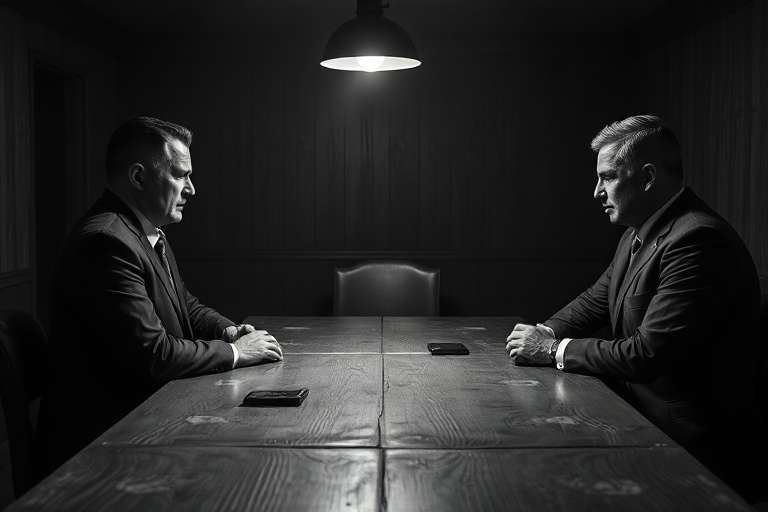
Mindhunter, the 2017 Netflix series created by Joe Penhall and produced by David Fincher, stands as one of the most meticulously researched crime dramas ever made. The show introduced audiences to a largely untold chapter in law enforcement history: the birth of criminal profiling. Set in the late 1970s, it follows FBI agents Holden Ford (Jonathan Groff), Bill Tench (Holt McCallany), and psychologist Wendy Carr (Anna Torv) as they pioneer a new method of interviewing incarcerated serial killers to understand their psyche.
While the series ended after two seasons, its influence persists. It didn’t just entertain—it educated, challenged, and reshaped public perception of both criminals and the agents who pursue them. More than a decade after its release, the questions it raises about psychology, justice, and the human capacity for evil remain unsettlingly relevant.
The Real-Life Inspiration Behind Mindhunter
The FBI’s Behavioral Science Unit (BSU)—later renamed the National Center for the Analysis of Violent Crime—wasn’t always a fixture of American policing. Before the 1970s, serial killers were often treated as isolated cases, their patterns overlooked or misunderstood. That changed when a small group of agents, including John E. Douglas and Robert Ressler, began conducting interviews with some of the most notorious criminals in U.S. history.
Douglas and Ressler’s work directly inspired the characters in Mindhunter. Their 1995 book Mindhunter: Inside the FBI’s Elite Serial Crime Unit served as the primary source for the series, blending true crime with psychological insight. The show’s attention to detail—from the era’s fashion to the bureaucratic struggles within the FBI—reflects the creators’ commitment to authenticity. Fincher, known for his perfectionism, even insisted on using vintage typewriters for the office scenes to maintain historical accuracy.
What makes the series particularly compelling is its focus on process over spectacle. There are no flashy car chases or dramatic shootouts. Instead, the tension comes from intellectual confrontation: agents probing killers’ motives, watching for inconsistencies, and slowly piecing together behavioral patterns. This quiet intensity set Mindhunter apart from other crime dramas of its time.
Key Themes and Psychological Insights
Mindhunter isn’t just a crime show—it’s a study of human darkness. The series explores several profound themes:
- Nature vs. Nurture: The agents grapple with whether serial killers are born or made. Interviews with Ed Kemper (a towering, articulate killer who murdered his mother) and Monte Rissell (a young, seemingly ordinary offender) force them to confront unsettling truths about trauma and development.
- The Banality of Evil: Unlike Hollywood’s dramatized villains, the killers in Mindhunter are often mundane in appearance and speech. This dissonance makes their crimes even more disturbing.
- Empathy as a Tool: The agents must temporarily suspend moral judgment to understand their subjects. This raises ethical questions: How much empathy is too much? Where does understanding end and complicity begin?
- Institutional Resistance: The FBI’s old guard resists the new profiling methods, reflecting broader cultural pushback against psychological approaches to crime. Change, even when necessary, is rarely welcomed without friction.
The show’s most haunting moment comes when Holden Ford tells Ed Kemper, “You don’t seem like a monster.” Kemper replies, “Oh, but I am.” This exchange encapsulates the series’ central tension: the banality of evil and the illusion of normalcy.
The Show’s Legacy and Cultural Impact
Mindhunter arrived at a cultural inflection point. The late 2010s saw a surge in true crime consumption, from podcasts like Serial to documentaries like Making a Murderer. Yet few works matched the depth of Mindhunter. While other series sensationalized violence, Mindhunter treated it with clinical precision, prioritizing psychology over gore.
Its influence extends beyond entertainment. The show has been cited in academic discussions about criminal profiling, with some criminology programs incorporating it into their curricula. Law enforcement agencies, including the FBI, have used it as a training tool to illustrate the importance of behavioral analysis.
But the series also sparked debate. Some critics argued that it romanticized its subjects, humanizing killers at the expense of their victims. Others praised its nuanced portrayal of Wendy Carr, one of the few women in a male-dominated field. Her character’s struggles with sexuality and professional credibility added another layer of complexity to the narrative.
Fincher’s direction amplified the show’s impact. His signature long takes and muted color palette created an atmosphere of unease, while Trent Reznor and Atticus Ross’s score added a dissonant, unsettling undertone. These choices weren’t just stylistic—they reinforced the show’s themes of hidden darkness and psychological complexity.
Why Mindhunter Remains Essential Viewing
In an era of algorithm-driven content and shallow storytelling, Mindhunter endures because it prioritizes substance over spectacle. It’s a show that respects its audience’s intelligence, offering no easy answers or tidy resolutions. The unresolved fate of Wendy Carr in Season 2, the ambiguous morality of its protagonists—all of it lingers long after the credits roll.
For those interested in the intersection of psychology and justice, Mindhunter is a masterclass. It reminds us that understanding evil isn’t about glorifying it, but about confronting its roots. In doing so, it challenges viewers to ask uncomfortable questions: Could anyone become a monster under the right circumstances? What does it say about society that we’re both fascinated and repelled by these figures?
As true crime continues to dominate pop culture, Mindhunter stands as a rare example of the genre done right—educational, thought-provoking, and unflinchingly honest.
For more on crime dramas and their real-world counterparts, explore Trending and Entertainment on Dave’s Locker.
Final Thoughts
Mindhunter isn’t just a show about killers—it’s a show about the people trying to stop them. It’s about the cost of empathy, the weight of knowledge, and the uncomfortable truth that evil often wears a human face. In an age where true crime is everywhere, it remains a standout for its depth, its restraint, and its unwavering commitment to the truth.