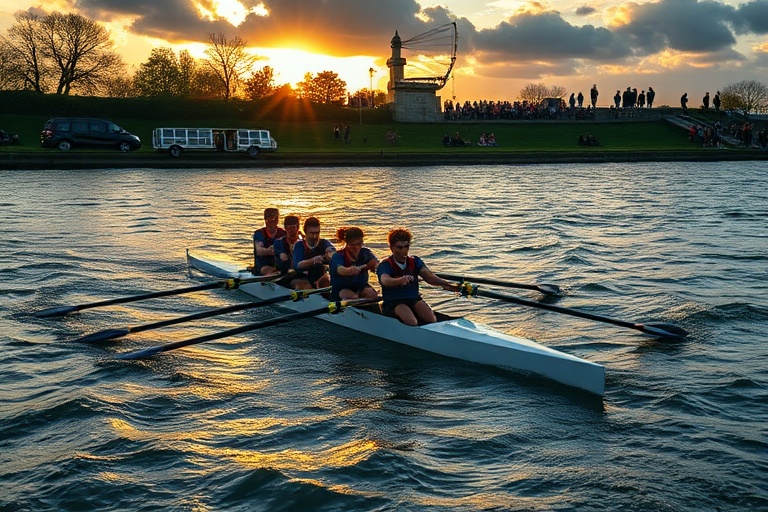
The National Schools Regatta stands as one of the most prestigious events on the British rowing calendar, a proving ground where young athletes transform potential into performance. As the 2026 edition approaches, anticipation builds not only for the competition itself but for the stories that will unfold on the water at historic venues like Holme Pierrepont in Nottingham. This year’s regatta promises to showcase the next generation of rowing talent, with squads from across the UK converging to compete in a fiercely contested battle for supremacy.
Organizers have confirmed that the 2026 regatta will maintain its longstanding tradition of hosting events for school crews aged 15 to 18, while also introducing an expanded junior category for younger athletes. This strategic move reflects a growing emphasis on early development in the sport, ensuring that rowing remains accessible and competitive from the grassroots level upward. With entries expected to surpass 2,000 competitors across multiple disciplines, the event is poised to deliver both intensity and inclusivity.
Preparation and Training: The Backbone of Success
Behind every medal at the National Schools Regatta lies months, sometimes years, of meticulous preparation. Coaches and athletes begin their campaigns long before the starting pistol fires, focusing on a blend of physical conditioning, technical refinement, and mental resilience. Rowing demands a rare combination of endurance, strength, and tactical acumen, qualities that are honed through disciplined training regimes.
For the 2026 regatta, many teams have adopted innovative training methods to gain a competitive edge. Data-driven approaches, including the use of power meters and on-water GPS tracking, are now commonplace. These tools allow coaches to monitor stroke efficiency, pacing strategies, and recovery phases with unprecedented precision. Additionally, cross-training disciplines such as cycling and swimming are increasingly integrated into rowers’ routines to build cardiovascular fitness and reduce injury risk.
Psychological preparation has also taken center stage. Sports psychologists are now a staple in elite rowing programs, helping athletes manage pre-race nerves, maintain focus under pressure, and visualize success. The mental toll of competing at such a high level can be significant, particularly when young rowers face the weight of expectations from teammates, coaches, and parents. As one coach noted, “Winning starts in the mind long before the boat hits the water.”
The Venue: Holme Pierrepont’s Legacy of Speed and Tradition
Holme Pierrepont National Watersports Centre, affectionately known as “Holme Pierrepont” or simply “Holme,” has hosted the National Schools Regatta since its inception in 1981. The venue’s 2,000-meter regatta course is renowned for its technical challenges, including a series of bends that test a crew’s ability to balance power and precision. Over the decades, the course has witnessed countless dramatic finishes and underdog victories, cementing its reputation as a true battleground for aspiring champions.
For the 2026 event, Holme Pierrepont will undergo further enhancements to accommodate the growing field of competitors. Upgrades to the start and finish line infrastructure aim to streamline the racing process, reducing delays and ensuring fair starts for all crews. Spectator facilities are also set to receive an upgrade, with expanded viewing areas and improved amenities designed to enhance the experience for families and supporters.
Beyond its technical demands, Holme Pierrepont holds cultural significance in the rowing community. It is a place where lifelong memories are forged—not just for competitors but for the volunteers, officials, and spectators who return year after year. The regatta’s atmosphere is electric, with the sound of oars dipping in unison and the roar of the crowd creating a symphony that resonates far beyond the racecourse.
Rivalries and Underdogs: Stories to Watch in 2026
The National Schools Regatta is a stage where rivalries are born and legacies are made. Among the most anticipated matchups in 2026 is the clash between Eton College and Westminster School, two traditional powerhouses with a storied history of competition. Eton, known for its rigorous training programs and technical prowess, will be looking to reclaim the title after a narrow defeat in 2025. Westminster, meanwhile, boasts a fleet of athletes with exceptional endurance, a trait that could prove decisive on Holme’s challenging course.
But the regatta is also where underdogs rise to the occasion. Smaller schools with limited resources often produce crews that punch above their weight, relying on grit and determination to overcome more favored opponents. In 2024, a team from a state school in the North West defied expectations by securing a medal in the Girls’ Junior 1x event, proving that talent and teamwork can triumph over pedigree. This year, all eyes will be on similar stories of perseverance, particularly from schools in regions where rowing is still growing in popularity.
Another narrative to watch involves the inclusion of adaptive rowing categories. The 2026 regatta will feature events for athletes with disabilities, a move that aligns with broader initiatives to make rowing more accessible. Organizers have partnered with organizations such as Dave’s Locker Sports to ensure that these events receive the same level of visibility and support as traditional races. This inclusion not only broadens the regatta’s appeal but also reinforces its role as a platform for diversity and inclusion in sport.
Beyond the Finish Line: The Ripple Effect of the Regatta
The impact of the National Schools Regatta extends far beyond the medals and trophies awarded on race day. For many young athletes, participation in the event serves as a catalyst for future success in the sport. Alumni of the regatta have gone on to represent Great Britain at international competitions, including the Olympics and World Championships. The discipline, teamwork, and resilience developed through the regatta’s grueling demands often translate into lifelong skills that extend into careers and personal growth.
For coaches and volunteers, the regatta is an opportunity to scout emerging talent and forge connections within the rowing community. Many programs use the event as a recruitment tool, identifying athletes who demonstrate the potential to excel at higher levels. The networking opportunities are invaluable, with university recruiters and club coaches frequently in attendance to scout the next generation of rowers.
Economically, the regatta also plays a vital role in the local community. Holme Pierrepont and the surrounding area benefit from an influx of visitors, who spend on accommodations, dining, and other services. In 2026, organizers are collaborating with local businesses to create a “Regatta Weekend” package, offering visitors a curated experience that highlights the best of Nottinghamshire. This initiative aims to maximize the event’s positive impact on the regional economy.
What to Expect on Race Day
Race day at the National Schools Regatta is a spectacle of precision and passion. The event typically spans three days, with heats, semifinals, and finals held across various boat classes. The schedule is meticulously planned to ensure fair competition, with crews assigned start times based on their preliminary performances. Spectators can expect a full day of action, with races kicking off early in the morning and continuing into the late afternoon.
For those planning to attend, here’s a quick guide to making the most of the experience:
- Arrive early: Parking and public transport can be busy, so allow extra time to navigate the venue and find a good viewing spot.
- Dress in layers: April weather in Nottingham can be unpredictable, with chilly mornings and warmer afternoons. Bring a waterproof jacket just in case.
- Bring earplugs: The atmosphere at Holme Pierrepont is loud, especially during finals. Earplugs can help protect your hearing while still allowing you to enjoy the excitement.
- Support your team: Whether you’re cheering for a local school or a national favorite, your enthusiasm can make a difference. Don’t be shy to join in the chants and applause!
- Explore the stalls: The regatta features a range of vendors selling rowing gear, sports nutrition, and local crafts. It’s a great opportunity to pick up souvenirs or stock up on training essentials.
The National Schools Regatta 2026 is more than just a competition; it is a celebration of youth, ambition, and the enduring spirit of rowing. As the boats line up and the coxswains issue their final commands, the stage is set for another chapter in the regatta’s storied history. For the athletes, it’s a chance to prove themselves against the best in the country. For the spectators, it’s an opportunity to witness the future of the sport in action. And for the rowing community, it’s a reminder of why this event remains a cornerstone of British sporting tradition.