Nepal vs USA: Key Differences in Culture and Society
“`html
Nepal vs USA: A Comparative Look at Culture, Economy, and Society
Comparing Nepal and the United States reveals stark contrasts in geography, culture, and economic development. These two nations, though vastly different in scale and influence, offer unique perspectives on life, tradition, and progress. From the towering Himalayas to the sprawling urban landscapes, each country presents distinct opportunities and challenges.
The United States, a global superpower, boasts a highly industrialized economy and diverse population. Nepal, a landlocked Himalayan nation, remains one of the least developed countries but is rich in natural beauty and cultural heritage. Understanding these differences provides valuable insight into how societies function on opposite ends of the spectrum.
Geography and Landscape
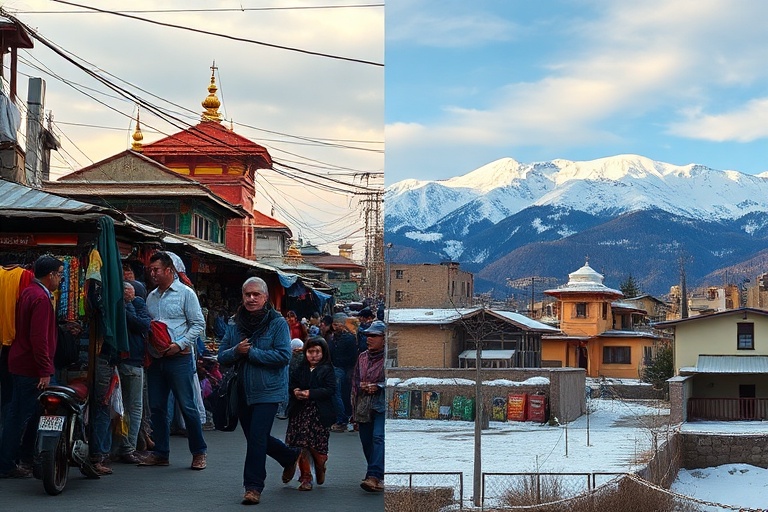
Nepal is a small country nestled in the Himalayas, bordered by China and India. Its dramatic topography includes eight of the world’s ten highest peaks, such as Mount Everest, the tallest mountain on Earth. The country features diverse ecosystems, from tropical jungles in the Terai region to alpine meadows and arid high valleys in the north.
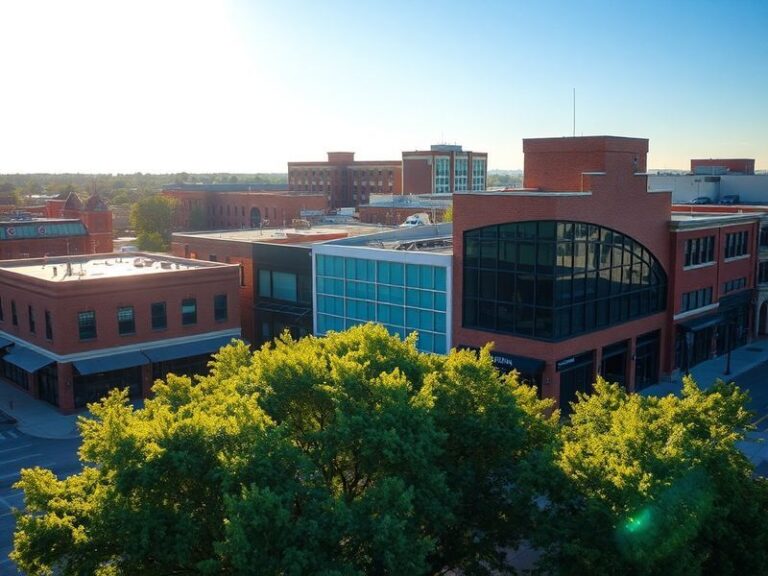
The United States, in contrast, spans a vast continent with varied landscapes—from the frozen tundras of Alaska to the deserts of Arizona, the Great Plains, and the tropical beaches of Hawaii. Its sheer size allows for a wide range of climates and natural resources, contributing to its economic and strategic strength.
- Nepal: Landlocked, mountainous, prone to earthquakes and monsoons
- USA: Coast-to-coast diversity, hurricane-prone coastal areas, vast plains and forests
Cultural and Social Structure
Nepal is deeply rooted in Hinduism and Buddhism, with a society that values family, festivals, and community bonds. Over 125 ethnic groups coexist, each with distinct languages, traditions, and attire. Festivals like Dashain, Tihar, and Buddha Jayanti are celebrated with great enthusiasm, reflecting the country’s spiritual and cultural richness.
The United States, meanwhile, is a melting pot of cultures, shaped by centuries of immigration. English is the dominant language, though Spanish and numerous other languages are widely spoken. American culture emphasizes individualism, innovation, and consumerism, with a strong influence on global media, entertainment, and technology.
Social structures also differ significantly. In Nepal, extended families often live together, and respect for elders is paramount. In the U.S., nuclear families are more common, and social mobility is highly valued, though economic inequality remains a persistent issue.
Economic and Political Realities
Nepal’s economy relies heavily on agriculture, tourism, and remittances from migrant workers. With a GDP per capita of around $1,200, it ranks among the poorest countries in the world. Political instability, corruption, and limited infrastructure have hindered development despite ongoing efforts by international organizations.
The United States, with a GDP per capita exceeding $70,000, is one of the world’s largest economies. It leads in technology, finance, and military power, with a highly developed infrastructure and robust institutions. However, it faces challenges such as income inequality, healthcare disparities, and political polarization.
Politically, Nepal transitioned from a monarchy to a federal democratic republic in 2008, though governance remains fragile. The U.S., a long-standing constitutional republic, has a stable but increasingly polarized political system, with ongoing debates over healthcare, immigration, and social justice.
Education and Healthcare Systems
Education in Nepal is accessible but underfunded, with literacy rates improving slowly. Public schools often lack resources, and many children, especially in rural areas, leave education early to support their families. Private schools and universities cater to the elite, widening the divide.
In the U.S., education is compulsory until age 16–18, with a mix of public, private, and charter schools. Higher education is highly competitive, with top universities like Harvard and MIT attracting students worldwide. However, rising tuition costs and student debt remain major concerns.
Healthcare access also reflects these disparities. Nepal has a limited healthcare infrastructure, with rural areas facing shortages of doctors and medical facilities. The U.S., despite its advanced medical technology, has a fragmented healthcare system where millions remain uninsured, leading to preventable deaths and financial hardship.
Tourism and Global Influence
Tourism is vital to Nepal’s economy, drawing trekkers, mountaineers, and spiritual seekers to destinations like the Kathmandu Valley, Pokhara, and Everest Base Camp. The country’s natural beauty and cultural landmarks, such as the Swayambhunath Stupa and Pashupatinath Temple, make it a unique travel destination.
The U.S., with its iconic landmarks like the Statue of Liberty, Grand Canyon, and Disney World, is the world’s top tourist destination. American pop culture, including Hollywood films, music, and fashion, exerts a global influence, shaping trends and consumer behavior worldwide.
While Nepal’s tourism sector is recovering from the devastating 2015 earthquake and the COVID-19 pandemic, the U.S. continues to dominate global tourism with over 80 million international visitors annually. Both nations, however, face challenges related to sustainability, overtourism, and environmental impact.
Environmental and Climatic Challenges
Nepal is highly vulnerable to climate change, with melting glaciers threatening water supplies and increasing the risk of floods and landslides. Deforestation and air pollution in cities like Kathmandu pose additional environmental concerns. The government has launched initiatives to promote renewable energy and conservation, but progress is slow.
The U.S. is a major contributor to global greenhouse gas emissions, though it has made strides in renewable energy adoption in recent years. Wildfires, hurricanes, and extreme weather events have become more frequent, prompting debates over climate policy and infrastructure resilience.
Both countries must address environmental degradation, but their approaches reflect differing priorities—Nepal focuses on survival and adaptation, while the U.S. grapples with balancing economic growth and sustainability.
Conclusion: Two Worlds, One Planet
The comparison between Nepal and the United States highlights the vast spectrum of human experience. One nation thrives on diversity and technological advancement, while the other struggles with poverty but remains rich in culture and natural splendor. Both face unique challenges—climate change, political instability, and social inequality—that demand global attention and cooperation.
Understanding these differences fosters empathy and perspective. Whether exploring the spiritual traditions of Kathmandu or the technological hubs of Silicon Valley, each country offers lessons in resilience, creativity, and the human spirit. For travelers, students, and policymakers alike, the contrasts between Nepal and the U.S. serve as a reminder of both the fragility and resilience of our interconnected world.
To learn more about global cultures and trends, visit our Culture and Travel sections for deeper insights and travel guides.