Joplin, Missouri: A City of Resilience and Opportunity
“`html
Joplin, Missouri: A City Rebuilt and Reimagined
Nestled in the southwestern corner of Missouri, Joplin stands as a testament to both natural resilience and human determination. The city’s story is one of recovery, innovation, and community spirit—a narrative that continues to evolve more than a decade after a devastating tornado reshaped its landscape. Today, Joplin is a blend of restored historic charm, modern development, and a thriving cultural scene that reflects its diverse heritage.
From its origins as a mining boomtown to its current status as a regional hub for healthcare, education, and manufacturing, Joplin has consistently adapted to meet the needs of its residents. The city’s proximity to the Ozark Mountains also makes it an appealing destination for outdoor enthusiasts, while its affordable cost of living attracts families and young professionals alike. This multifaceted identity has earned Joplin a reputation as a city on the rise, offering opportunities without sacrificing its small-town warmth.
The Tornado That Changed Everything
On May 22, 2011, an EF-5 tornado tore through Joplin with winds exceeding 200 miles per hour, leaving a path of destruction nearly a mile wide and six miles long. The storm claimed 161 lives, injured over 1,000 people, and damaged or destroyed more than 8,000 buildings. It was one of the deadliest tornadoes in modern U.S. history, and the emotional and economic toll was immense.
In the immediate aftermath, the community’s response was swift and unified. Volunteers from across the country descended on Joplin to assist with cleanup and rebuilding efforts. Local organizations, like the Community Foundation of the Ozarks, played a crucial role in coordinating relief efforts and providing long-term support. The disaster also spurred innovative recovery strategies, including the creation of the Joplin Recovery Permit Center, which streamlined the rebuilding process by uniting city staff, contractors, and residents in one location.
Rebuilding Joplin was not just about restoring structures; it was about reimagining the city’s future. The recovery plan prioritized sustainable development, with a focus on green spaces, storm-resistant construction, and economic diversification. Today, landmarks like the rebuilt St. John’s Regional Medical Center and the Joplin High School serve as symbols of the city’s progress, while the annual Joplin Tornado Festival honors the resilience of its people.
A City on the Move: Economy and Innovation
Joplin’s economy has long been anchored by healthcare, manufacturing, and education, but recent years have seen a diversification that positions the city for sustained growth. Freeman Health System, one of the region’s largest employers, continues to expand its services, while companies like Leggett & Platt and TAMKO Building Products maintain strong manufacturing presences. The city’s workforce development initiatives, such as the Missouri Southern State University and Ozarks Technical Community College partnerships, ensure that residents have access to the skills needed for modern industries.
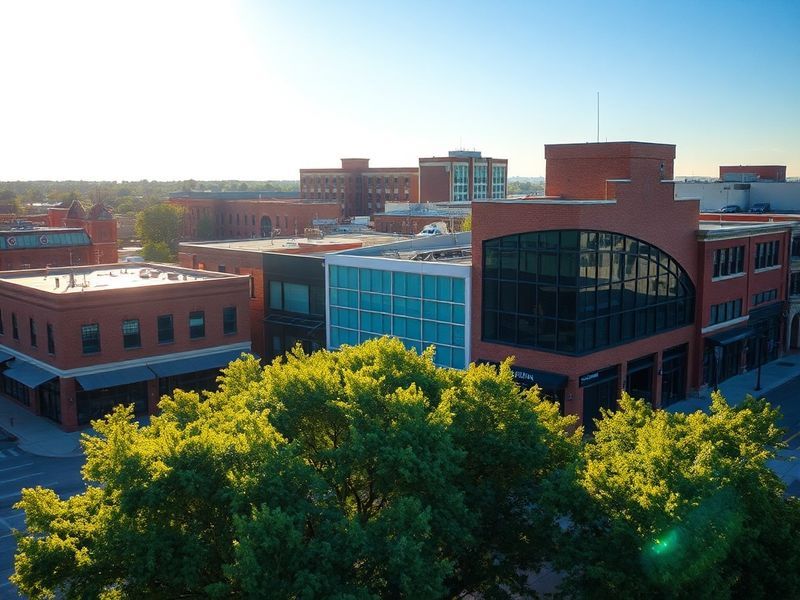
Innovation is also taking root in Joplin. The city’s downtown revitalization efforts have attracted tech startups and creative businesses, transforming vacant storefronts into vibrant hubs. The Joplin Innovation Center, launched in 2018, provides resources and mentorship for entrepreneurs, fostering a culture of collaboration. Meanwhile, the expansion of the Joplin Regional Airport has enhanced connectivity, making it easier for businesses to thrive and visitors to explore the region.
One of the most promising developments is the growth of the logistics and distribution sector. With its strategic location at the intersection of Interstates 44 and 49, Joplin is becoming a key player in supply chain networks. Companies like Amazon and Walmart have established distribution centers nearby, creating jobs and driving economic activity. This shift not only bolsters the local economy but also reinforces Joplin’s role as a gateway between the Midwest and the Southwest.
Culture, Education, and Outdoor Adventures
Beyond its economic strengths, Joplin offers a rich cultural scene and abundant recreational opportunities. The city is home to a variety of museums, including the George A. Spiva Center for the Arts, which showcases local and regional talent, and the Post Memorial Art Reference Library, a unique repository of art materials and resources. For music lovers, the Joplin Union Depot hosts concerts and events year-round, while the historic Fox Theatre continues to enchant audiences with its classic charm.
Education is another cornerstone of Joplin’s identity. The Joplin School District has earned accolades for its innovative programs, such as the Academy of Fine Arts and the Early Childhood Center. Private institutions like Ozark Christian College also contribute to the city’s educational landscape, attracting students from across the nation. The presence of these schools not only enriches the community but also supports a youthful, dynamic atmosphere.
For those who prefer the outdoors, Joplin serves as a gateway to some of Missouri’s most breathtaking natural wonders. The nearby Pineville area offers hiking trails, fishing spots, and scenic overlooks, while the Ozark National Scenic Riverways provide opportunities for canoeing, kayaking, and camping. The city itself boasts over 30 parks, including the expansive Schifferdecker Park, which features a golf course, splash pad, and the popular Butterfly Garden and Nature Center.
Looking Ahead: Challenges and Opportunities
Despite its progress, Joplin faces challenges that are common to many mid-sized cities. Affordable housing remains a concern, particularly as demand grows and property values rise. Infrastructure upgrades, including road and utility improvements, are ongoing priorities to support the city’s expanding population. Additionally, workforce shortages in critical industries like healthcare and education require targeted solutions to ensure long-term stability.
- Affordable Housing: The city is exploring partnerships with developers to create mixed-income housing projects and incentivize the renovation of existing properties.
- Workforce Development: Local organizations are collaborating with schools to align training programs with industry needs, particularly in high-demand fields like nursing and advanced manufacturing.
- Infrastructure Investment: A recent bond issue will fund road repairs and the expansion of broadband access, addressing gaps in connectivity that have hindered some businesses and residents.
- Community Engagement: Efforts to foster inclusivity, such as the Joplin Multicultural Festival, aim to celebrate the city’s diversity and ensure all residents feel represented in its growth.
Yet, for all its challenges, Joplin’s trajectory remains upward. The city’s ability to adapt and innovate is evident in its recovery from the 2011 tornado, and its future appears equally bright. With a growing economy, a vibrant cultural scene, and a strong sense of community, Joplin is carving out a unique identity in the heart of the Ozarks.
The story of Joplin is far from over. It is a story of resilience, of people who have faced unimaginable hardship and emerged stronger. It is a story of a city that refuses to be defined by a single event, instead choosing to look forward with optimism and determination. For visitors and residents alike, Joplin offers a glimpse into the power of community and the potential of places that dare to rebuild.