St. George’s Day: History, Global Celebrations & Cultural Significance
“`html
St. George’s Day: A Celebration of Identity Beyond Borders
Every April 23rd, communities across the globe pause to honor St. George’s Day, a tradition that extends far beyond its English origins. While the feast day is most prominently associated with England, its influence and observance have spread to regions where British expatriates, cultural enthusiasts, and diaspora communities gather to celebrate shared heritage. The day serves as more than a national holiday; it’s a moment of reflection on identity, history, and the evolving nature of cultural pride.
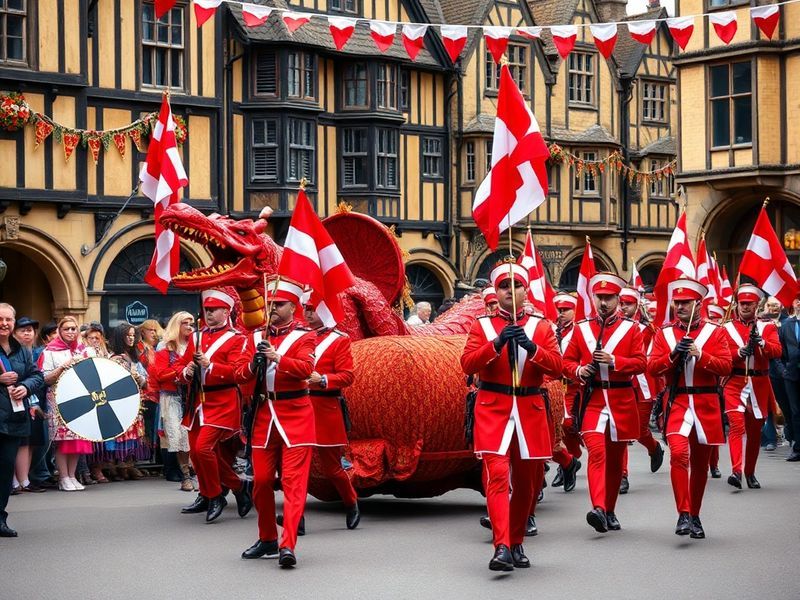
St. George, the legendary dragon-slaying saint, has been venerated since the early Christian era. His feast day coincides with the anniversary of his martyrdom, traditionally dated to the 4th century. Over centuries, his symbolism—a red cross on a white background—has become synonymous with courage, chivalry, and moral fortitude. These ideals transcend geography, making St. George a figure of inspiration in diverse cultures, from Catalonia to Ethiopia.
The English Origins and Global Spread
In England, St. George’s Day has been observed since at least the 13th century, though its modern celebration remains less commercialized than other national holidays. The day is marked by flag-waving, traditional Morris dancing, and the consumption of Georgian-themed foods like simnel cake. Yet, its reach extends well beyond the British Isles. In Catalonia, St. George is the patron saint, and April 23rd is celebrated as Diada de Sant Jordi, a day of roses and books that rivals Valentine’s Day in popularity.
Across the Atlantic, St. George’s Day is observed in former British colonies, particularly in the Caribbean, where communities of African and British descent blend traditions. In Antigua and Barbuda, it is a public holiday, and the day features parades, cricket matches, and church services. Similarly, in Newfoundland, Canada, the day is celebrated with gatherings that highlight the province’s English heritage, often featuring folk music and historical reenactments.
This global observance reflects the diasporic nature of British culture, where traditions are preserved, adapted, and reimagined. For many, St. George’s Day is not just about national pride but about connecting with a shared past that transcends borders.
Cultural Symbolism and Modern Interpretations
St. George’s story—of a knight slaying a dragon to save a princess—has been interpreted as an allegory for good triumphing over evil. This narrative has made the saint a powerful symbol in literature, art, and even political movements. During the Middle Ages, his image was invoked in crusades and wars, while in modern times, he has been adopted by environmental groups and human rights organizations as a figure of resistance.
In England, debates about making St. George’s Day a national holiday have gained traction in recent years. Proponents argue that it could boost patriotism and tourism, similar to St. Patrick’s Day in Ireland. Critics, however, caution against reducing the day to mere pageantry, emphasizing its historical and religious significance. This tension reflects broader discussions about national identity in a multicultural society.
Globally, St. George’s Day has also been embraced by non-British communities. In Ethiopia, where he is the patron saint, the day is celebrated with religious processions and feasts. In Bulgaria, St. George is the protector of shepherds, and the day is marked by rituals involving lamb roasting and blessings for livestock. These variations highlight how cultural symbols evolve when adopted by different societies.
St. George in Literature and Folklore
St. George’s legend has been immortalized in countless works of literature. Geoffrey Chaucer’s The Canterbury Tales references him as a model of chivalry, while John Milton’s Paradise Lost invokes his name in a broader context of divine justice. In Russian folklore, St. George is a dragon-slayer who rescues a princess, a tale that mirrors the Western version but is deeply embedded in Slavic tradition.
These stories underscore the universality of St. George’s myth. Whether as a Christian martyr or a folk hero, his narrative resonates across cultures, adapting to local beliefs and values. This adaptability is perhaps why his feast day continues to be celebrated in so many diverse ways.
How St. George’s Day is Celebrated Around the World
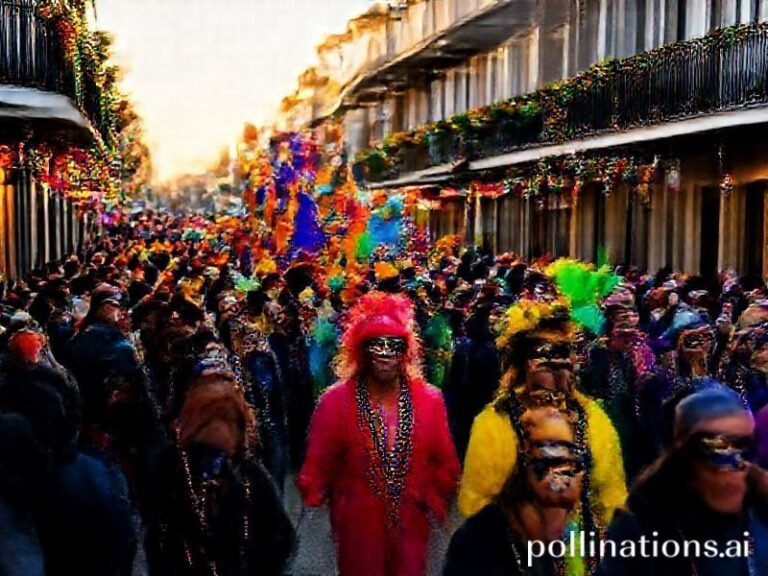
From formal religious observances to lively street festivals, St. George’s Day takes many forms. Below are some of the most notable traditions:
- England: Flag-raising ceremonies, Morris dancing, and the wearing of a red rose. Some communities also hold historical reenactments of St. George’s life.
- Catalonia: Known as Diada de Sant Jordi, the day features the exchange of books and roses between lovers and friends, symbolizing love and culture.
- Antigua and Barbuda: A public holiday with parades, cricket matches, and church services, blending British and Caribbean traditions.
- Bulgaria: Shepherds lead their flocks to churches for blessings, followed by feasts featuring roasted lamb and folk music.
- Ethiopia: Religious processions and feasts honor St. George as the patron saint, with traditional dances and communal meals.
These celebrations reveal the day’s versatility. In some places, it is a solemn religious observance, while in others, it is a vibrant cultural festival. This diversity is a testament to St. George’s enduring legacy.
Why St. George’s Day Matters Today
In an era of globalization, St. George’s Day offers a lens through which to examine identity, heritage, and belonging. For diaspora communities, it is a way to maintain a connection to their roots. For others, it is an opportunity to explore the layers of history behind a seemingly simple holiday.
Moreover, the day challenges us to think about how we celebrate national symbols in a multicultural world. Should St. George’s Day be a symbol of Englishness, or can it be a celebration of shared values? The answer may vary, but the conversation itself is valuable.
As societies become more interconnected, traditions like St. George’s Day remind us of the importance of preserving cultural heritage while embracing diversity. Whether through a rose in Catalonia or a cricket match in Antigua, the day continues to evolve, reflecting the changing face of global communities.
For those interested in exploring cultural traditions further, Dave’s Locker’s Culture section offers deeper insights into how holidays and celebrations shape identity worldwide.
A Final Thought
St. George’s Day is more than a relic of the past; it is a living tradition that adapts and thrives in new contexts. As we celebrate on April 23rd, we are reminded that cultural pride is not static. It is a dynamic force that connects us to the past while shaping our future.