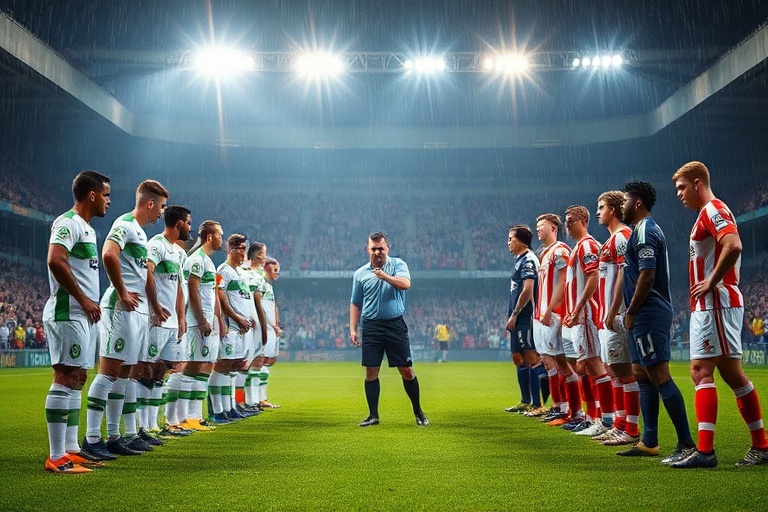
The rivalry between Shamrock Rovers and Sligo Rovers is one of the most storied in Irish football. While both clubs share a common heritage as founding members of the League of Ireland, their histories, fanbases, and recent fortunes have diverged significantly. This matchup, whenever it occurs, offers more than just three points—it provides a snapshot of Irish football’s contrasting identities.
Shamrock Rovers, based in Tallaght, Dublin, have long been regarded as the glamour club of Irish football. With 21 league titles and a reputation for attracting international stars, they represent the professionalized, commercially driven side of the sport in Ireland. Sligo Rovers, on the other hand, embody the underdog spirit, rooted in their northwest coastal town and known for developing homegrown talent and fostering deep community ties.
The Historical Context: Where Tradition Meets Modernity
Shamrock Rovers were founded in 1901 and quickly established themselves as a dominant force. Their Dalymount Park era in the mid-20th century became legendary, with the club winning multiple titles and producing icons like Liam Tuohy and Paddy Coad. Though financial struggles in the 1980s and 1990s led to a period of decline, the move to Tallaght Stadium in 2009 marked a new chapter—one of investment, ambition, and corporate backing.
Sligo Rovers, founded in 1928, have always played second fiddle in terms of silverware but have carved out a reputation for resilience. Their 2012 and 2013 league titles were historic, coming against financial odds and with a squad largely assembled from within the club’s academy. The club’s 2014 FAI Cup win further cemented their place as a club that punches above its weight, especially in European competition.
The contrast is clear: Shamrock Rovers are the establishment, Sligo Rovers the plucky outsiders. Yet both clubs have contributed significantly to Irish football’s identity.
Recent Form and Tactical Approaches
In recent seasons, Shamrock Rovers have consistently challenged for the league title, their squad bolstered by foreign signings and a structured youth development pathway. Under manager Stephen Bradley, the Hoops have combined tactical discipline with attacking flair, often fielding a back three and pressing high up the pitch.
Sligo Rovers, managed by John Russell, have taken a different route. Known for their organized defensive structure and quick transitions, the Bit O’ Red often frustrate stronger opponents. Their 2023 season saw them finish third, qualifying for the UEFA Europa Conference League—a remarkable achievement for a club with a modest budget.
The tactical battle is fascinating. Rovers may dominate possession and territory, but Sligo Rovers excel in set-pieces and defensive solidity. Matches between the two often hinge on individual moments—perhaps a defensive error from Shamrock or a counterattack from Sligo that catches the full-backs out.
Key Areas to Watch
- Midfield control: Shamrock’s foreign imports often dictate tempo, while Sligo rely on local talents like Jordan McGlinchey and Kris Fahey to control the rhythm.
- Set-pieces: Sligo are consistently dangerous from dead-ball situations, scoring nearly a third of their goals this way in the past two seasons.
- Home advantage: Tallaght Stadium’s artificial pitch favors Rovers’ technical style, while Sligo’s Showgrounds, with its natural surface, can slow the game down.
- Psychological edge: Sligo have beaten Shamrock in recent cup ties, including a dramatic 2022 FAI Cup quarter-final, giving them bragging rights.
Fan Culture and Community Impact
Shamrock Rovers’ fanbase is diverse and widely dispersed, reflecting Dublin’s cosmopolitan population. The club’s ultras, the Hoops Army, bring vibrant tifos and chants, particularly in European nights. However, criticism persists over ticket prices and a perceived disconnect from the working-class roots of the club.
Sligo Rovers’ support, by contrast, is deeply local. The Showgrounds on matchdays buzzes with the sound of Sligo accents, trad music, and songs passed down through generations. The club’s “One Club, One Town” ethos is not just a slogan—it’s a way of life. Junior players are often seen training alongside first-team stars, and youth teams draw hundreds of spectators.
This cultural difference is palpable on derby days. While Shamrock Rovers’ matches draw media attention and corporate hospitality, Sligo Rovers’ games are community events—part of the social fabric of the northwest.
The Broader Significance of the Rivalry
The Shamrock Rovers vs Sligo Rovers fixture highlights the dual realities of Irish football. On one side, a club striving for continental progress and professional standards. On the other, a club preserving tradition, identity, and grassroots passion.
Matches between them are not just about points—they’re about what Irish football could be. They ask questions about sustainability, fan engagement, and the balance between ambition and authenticity.
For neutrals, these games offer drama, emotion, and a reminder that football is more than trophies. It’s about people, places, and the stories they tell.
Why These Clashes Matter
They provide a counter-narrative to the dominance of Dublin-based clubs in the league.
They showcase the unpredictability of football—where a small-town club can outwit a glamour side on its day.
They keep the flame of genuine local pride alive in an era of globalized football.
In many ways, the Shamrock Rovers vs Sligo Rovers rivalry is a microcosm of Irish society itself: a blend of ambition and tradition, progress and preservation.
When these two teams meet, football fans are reminded that the beautiful game is at its best when it reflects the soul of its community.
Looking Ahead: What’s Next for Both Clubs?
Shamrock Rovers continue to push for UEFA Champions League qualification, investing in analytics, recruitment, and infrastructure. Their academy is producing players like Lee Grace and Conor Keeley, who could become first-team regulars within two years.
Sligo Rovers, meanwhile, are focused on consolidating their position in the top flight while growing their youth setup. The club’s recent partnership with local schools has doubled participation in underage football, a sign of long-term strategy.
For both clubs, the next chapter will be written on the pitch—but also in boardrooms, community centers, and training grounds across Ireland.
The Shamrock Rovers vs Sligo Rovers rivalry is more than a fixture. It’s a dialogue between two visions of Irish football. And as long as both clubs exist, that conversation will continue.
Visit our Sports section for more football coverage.
Stay updated with Irish sports news on Dave’s Locker.