The Mandalorian & Grogu: How a Star Wars Spin-Off Became a Global Cultural Touchstone
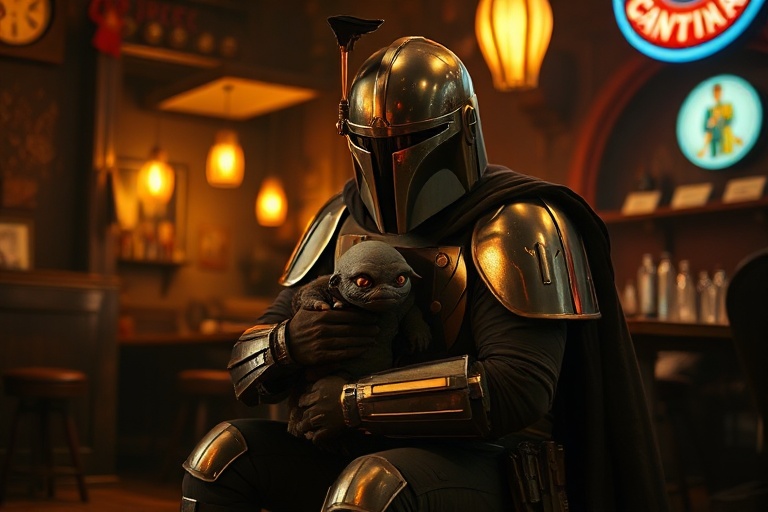
The relationship between Din Djarin, the Mandalorian, and Grogu—commonly known as Baby Yoda—has transcended its origins as a television series to become a defining element of modern pop culture. Since its debut in November 2019, The Mandalorian has not only revitalized interest in Star Wars but also introduced one of the most beloved characters in recent memory. Grogu, with his large ears, big eyes, and mysterious Force abilities, quickly became a symbol of innocence and wonder in a franchise often defined by epic battles and intergalactic politics.
What began as a simple bounty-hunting storyline evolved into a deeply emotional journey about redemption, family, and the bonds that form between unlikely companions. The dynamic between the stoic Mandalorian and the playful Grogu has resonated across generations, cultures, and even languages. This connection has left an indelible mark on global audiences, proving that compelling storytelling transcends cultural barriers.
The Origins of a Modern Mythology
The character of Grogu, officially designated as “The Child” in production materials, was introduced as a mysterious Force-sensitive being sought by both bounty hunters and the sinister Empire. Yet, within moments of his first appearance, Grogu captured the imagination of viewers worldwide. His design, inspired by traditional Star Wars lore while feeling fresh and original, tapped into a universal archetype: the wise but childlike creature with an aura of quiet power.
Culturally, Grogu represents more than just a cute character. He embodies themes of vulnerability, protection, and the innocence of childhood in a universe often defined by war and conflict. This duality struck a chord with audiences, particularly in regions where family and tradition hold deep significance. In countries like Japan, where the Star Wars franchise has maintained strong popularity since the original trilogy, Grogu’s reception was especially warm. Local merchandise featuring the character sold out rapidly, and fan art reinterpreted him in traditional Japanese styles, blending modern pop culture with cultural heritage.
Meanwhile, in Latin America, Grogu became a symbol of hope and resilience during the COVID-19 pandemic. His gentle demeanor and the Mandalorian’s unwavering dedication to his care offered a comforting contrast to the chaos of the era. Social media platforms saw a surge in fan creations, from memes to heartfelt illustrations, all centered around the duo’s bond.
A Global Phenomenon Through Digital and Traditional Media
The global reach of The Mandalorian and Grogu can be attributed to a carefully orchestrated blend of digital and traditional media strategies. Disney+ launched with a marketing campaign that emphasized accessibility and emotional connection. Trailers focused not on epic battles but on the tender moments between the Mandalorian and Grogu, positioning their relationship as the heart of the series.
Social media played a crucial role in amplifying Grogu’s popularity. Platforms like TikTok and Instagram became hubs for fan-generated content, with users creating videos mimicking Grogu’s gestures, expressions, and even his famous “nurse” scene. Hashtags such as #BabyYoda and #TheMandalorian trended globally, and the character’s image was shared across millions of posts daily. In China, where Star Wars had previously struggled to gain traction, Grogu became a gateway for younger audiences. His likeness appeared on everything from plush toys to mobile wallpapers, and state media even acknowledged his cultural impact, noting his role in introducing Western sci-fi to new generations.
Television and streaming platforms in Europe also contributed to the phenomenon. In the United Kingdom, The Mandalorian was one of the most-watched shows on Disney+ during its first season. British critics praised the series for its visual storytelling and emotional depth, while British artists began incorporating Grogu into fan art that reflected local landscapes and cultural icons. Similarly, in South Korea, Grogu’s image was used in collaborations with K-pop idols and influencers, further cementing his status as a global icon.
The Cultural Impact Beyond the Screen
The influence of Grogu and the Mandalorian extends far beyond streaming platforms and social media. Their presence can be seen in fashion, art, and even education. Luxury brands like Gucci and Coach released collections featuring Grogu’s likeness, blending high fashion with pop culture. Art exhibits in major cities, from New York to Tokyo, featured Grogu-inspired installations that explored themes of childhood, protection, and the future.
In the world of education, Grogu has become a tool for teaching empathy and emotional intelligence. Schools and parenting blogs have used his character to discuss topics such as attachment, care, and the importance of nurturing relationships. Even in medical contexts, Grogu’s calm demeanor has been referenced as a way to comfort patients, particularly children undergoing treatment.
Merchandise has been a driving force behind Grogu’s global appeal. The character’s image adorns everything from baby onesies to high-end collectibles. In 2021, a life-sized Grogu animatronic was unveiled at a theme park in Japan, drawing long lines of visitors eager for a photo opportunity. Meanwhile, in the United States, limited-edition Funko Pop! figures and LEGO sets featuring Grogu sold out within hours of release, often fetching high prices on secondary markets.
The Legacy of a Bond That Transcends Language
The relationship between the Mandalorian and Grogu is a masterclass in storytelling simplicity. It relies on visual cues, subtle performances, and the universal language of human (and alien) emotion. The Mandalorian’s stoic exterior contrasts sharply with Grogu’s playful innocence, creating a dynamic that feels both familiar and fresh. This contrast mirrors real-world relationships, where caregivers and children often have vastly different personalities yet share an unbreakable bond.
Culturally, this bond resonates because it reflects broader societal values. In many cultures, the act of protecting and nurturing a child is seen as a sacred duty. Grogu’s dependence on the Mandalorian, and the Mandalorian’s gradual acceptance of that responsibility, taps into these universal themes. Whether in Western individualism or Eastern collectivist traditions, the idea of someone putting aside their own desires to care for another is deeply moving.
The global success of The Mandalorian and Grogu also highlights the power of streaming platforms in shaping cultural narratives. Unlike traditional television, which was often limited by regional broadcasting schedules, Disney+ allowed audiences worldwide to experience the series simultaneously. This global release strategy ensured that Grogu’s impact was felt uniformly, creating a shared cultural moment that transcended borders.
Looking Ahead: The Future of Grogu and the Mandalorian
As The Mandalorian continues into new seasons and spin-offs, the role of Grogu remains central to its identity. Fans eagerly anticipate how his character will evolve, particularly as he begins to explore his Force abilities more fully. Upcoming projects, such as The Book of Boba Fett and Ahsoka, promise to deepen the lore surrounding Grogu and his place in the Star Wars universe.
For now, Grogu’s legacy is secure. He has become more than a character; he is a cultural symbol, a marketing juggernaut, and a testament to the power of emotional storytelling. In a media landscape often dominated by spectacle and CGI-driven action, Grogu reminds us of the simple power of connection. Whether through a screen, a plush toy, or a piece of fan art, his presence continues to inspire and comfort audiences around the world.
As we look to the future of Star Wars, one thing is clear: the bond between the Mandalorian and Grogu will remain a cornerstone of the franchise’s appeal. Their story is a reminder that even in a galaxy far, far away, the most powerful connections are those rooted in humanity—or whatever passes for it among Mandalorians and their young charges.
Where to Experience the Phenomenon
For fans eager to dive deeper into the world of The Mandalorian and Grogu, there are several ways to engage with the franchise beyond the television series:
- Entertainment: Stay updated on new releases, merchandise drops, and behind-the-scenes content through dedicated entertainment platforms.
- Collectibles and Merchandise: Explore official Star Wars stores and licensed retailers for exclusive Grogu-themed items, from apparel to high-end collectibles.
- Fan Communities: Join online forums and social media groups where fans discuss theories, share artwork, and celebrate the legacy of Grogu and the Mandalorian.
- Gaming: Grogu has made appearances in several video games, including Fortnite and LEGO Star Wars: The Skywalker Saga, offering interactive ways to engage with the character.
The story of the Mandalorian and Grogu is far from over. As new adventures unfold, one thing remains certain: their bond will continue to captivate audiences, proving that sometimes, the simplest stories are the most powerful.