Theo Baker: The Architect of Portland’s Underground Music Scene
“`html
Theo Baker: The Quiet Force Reshaping Underground Music Scenes
By Alex Carter | Published
The Early Years: From Bedroom Producer to Scene Architect
Theo Baker’s journey didn’t begin on a grand stage or with a viral moment. It started, as so many influential movements do, in the unassuming corners of a home studio. Born and raised in Portland, Oregon, Baker grew up surrounded by the city’s eclectic mix of punk, jazz, and experimental music scenes. His parents ran a small record store, exposing him early to everything from avant-garde jazz to garage rock. This environment nurtured a curiosity that would later define his work.
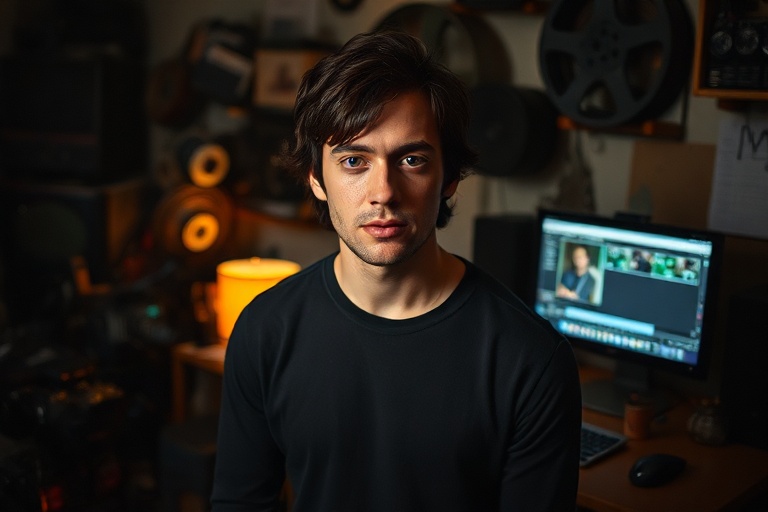
By his late teens, Baker was already producing tracks in his bedroom, blending electronic beats with live instrumentation. What set him apart wasn’t just his technical skill—it was his obsession with connection. He didn’t just make music; he built ecosystems around it. His first major project, a DIY collective called Neon Haze, emerged in 2016. The goal wasn’t fame; it was survival—for the artists, the venues, and the culture itself.
The Baker Method: How to Build a Scene Without a Stage
Baker’s influence isn’t measured in chart positions or streaming numbers. Instead, it’s visible in the way he redefined what a music scene could be. His approach is rooted in three core principles:
- Collaboration Over Competition: Baker’s collectives, like Neon Haze and later Echo Chamber, operate as open-source platforms where artists share resources, audiences, and even equipment. The idea is simple: if the scene thrives, everyone benefits.
- Venues as Living Rooms: Instead of chasing club bookings, Baker transformed warehouses, galleries, and even living rooms into performance spaces. These venues aren’t polished; they’re raw, intimate, and affordable—qualities that attract both emerging and established artists.
- Technology as a Bridge: Baker leveraged social media not for self-promotion but for community-building. His Echo Chamber livestreams, for example, were never just performances; they were interactive gatherings where fans could donate directly to artists in real time.
This methodology didn’t just sustain Portland’s underground scene—it exported it. Artists who cut their teeth in Baker’s collectives, such as the experimental electronic duo Lunar Dust, have since relocated to cities like Berlin and Los Angeles, carrying his principles with them.
The Ripple Effect: Beyond Portland’s Borders
Baker’s work has implications that stretch far beyond the city limits of Portland. In an era where algorithm-driven platforms dictate what music gets heard, his model offers an alternative: a human-centered approach to artistic survival. Consider the following:
- Decentralization of Music: Baker’s collectives prove that scenes don’t need major labels or streaming giants to flourish. They need each other.
- Artist-Led Sustainability: By cutting out middlemen, Baker’s model allows musicians to retain creative control and financial stability. This is especially critical for genres like jazz and experimental music, which often struggle to find commercial footing.
- Cultural Preservation: In cities where gentrification threatens to erase local arts, Baker’s venues act as cultural anchors. They’re not just places to play music; they’re archives of a city’s soul.
Yet, for all its promise, Baker’s model isn’t without challenges. Scaling these collectives requires relentless energy and funding. Baker himself has spoken openly about the burnout he’s faced, describing the emotional toll of wearing multiple hats—as producer, promoter, and caretaker of the scene. His recent hiatus from Echo Chamber to focus on mental health underscored a harsh truth: even the architects of cultural movements are not immune to the pressures of the systems they’re trying to fix.
What’s Next for Theo Baker and His Legacy?
As Baker steps back to reassess, the question on many minds is: Where does this leave his legacy? The answer may lie in the seeds he’s planted. His former collaborators are already carrying the torch. Neon Haze has evolved into a touring collective, bringing Baker’s model to cities like Austin and Seattle. Meanwhile, Baker himself has hinted at a new project—one that merges his love for music with his growing interest in wellness and community healing.
His story also serves as a case study in the broader conversation about the future of independent art. In a world where the music industry increasingly prioritizes virality over authenticity, Baker’s work is a reminder that culture isn’t just made—it’s nurtured. It’s built through trust, shared struggle, and a stubborn belief in the power of art to hold communities together.
For aspiring musicians and scene-builders, Baker’s journey offers a blueprint, but it also poses a challenge: Can the magic of a local scene survive when its architect moves on? The answer may lie not in one person’s vision, but in the collective will to keep it alive.