UPS Airlines: The Invisible Giant Powering Global Trade
“`html
UPS Airlines: The Invisible Giant of Global Shipping
When most people think of UPS, they picture brown delivery trucks or the familiar buzz of a package arriving at their door. But behind the scenes, UPS operates one of the largest and most sophisticated airline networks in the world. UPS Airlines isn’t just a logistics tool—it’s a critical artery of global commerce, quietly moving millions of packages across continents every single day.
The Scale of UPS Airlines: By the Numbers
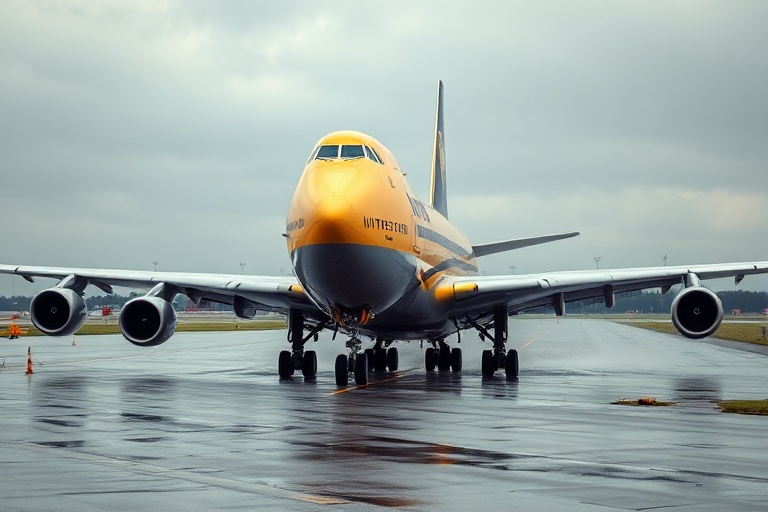
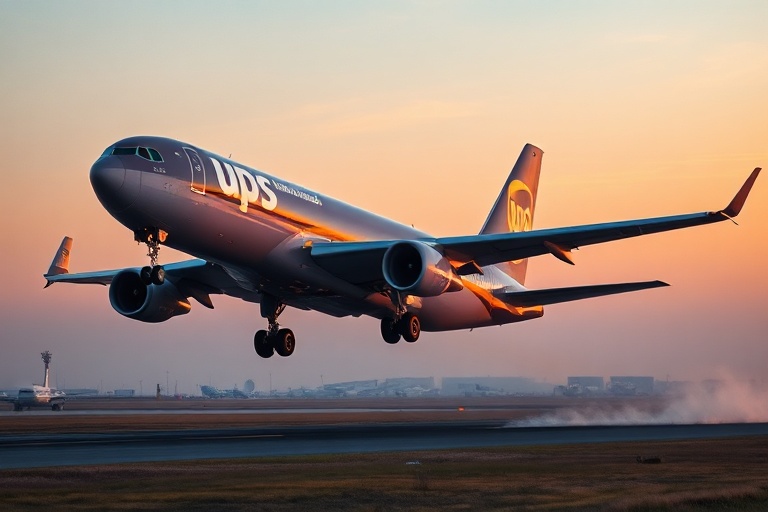
Founded in 1988, UPS Airlines has grown into an aviation powerhouse. With a fleet of over 270 aircraft—including Boeing 747s, 767s, and Airbus A300s—the airline connects more than 220 countries and territories. In 2023 alone, UPS Airlines transported over 5.3 billion packages, a figure that underscores its indispensable role in modern supply chains.
What sets UPS Airlines apart isn’t just its size but its efficiency. The airline operates one of the most punctual fleets in the industry, with an on-time performance consistently above 90%. This reliability is a cornerstone of UPS’s reputation as a trusted shipping partner.
Key Operational Highlights
- Hub Network: UPS’s global hubs in Louisville, Kentucky (Worldport), and Cologne, Germany, serve as nerve centers for its operations, processing tens of thousands of packages per hour.
- Fuel Efficiency: The airline has invested heavily in modernizing its fleet, reducing fuel consumption by over 15% since 2010 through the use of newer, more efficient aircraft.
- Sustainability Goals: UPS aims to reduce carbon emissions by 50% by 2030, a target it’s pursuing through sustainable aviation fuels and alternative energy initiatives.
- 24/7 Operations: Unlike passenger airlines, UPS Airlines operates around the clock, with peak activity occurring during night hours to ensure next-day deliveries.
The Role of UPS Airlines in Global Trade
UPS Airlines isn’t just a shipping service—it’s a lifeline for businesses large and small. From small e-commerce startups to Fortune 500 companies, countless enterprises rely on UPS’s air network to meet tight deadlines and maintain supply chain integrity. During the COVID-19 pandemic, for example, UPS Airlines played a crucial role in distributing vaccines, medical supplies, and personal protective equipment worldwide.
The airline’s reach extends beyond traditional shipping. UPS operates specialized services like UPS Healthcare, which provides temperature-controlled shipping for pharmaceuticals and medical devices, and UPS Capital, which offers financing solutions tied to supply chain needs. These services highlight the airline’s evolution from a package delivery service to a comprehensive logistics provider.
Economic Impact
UPS Airlines contributes significantly to the global economy. According to a 2022 study by Oxford Economics, the UPS supply chain network supports over 5.3 million jobs worldwide. In the United States alone, UPS’s operations generate more than $54 billion in economic activity annually. The airline’s presence in smaller communities also drives local economic growth, creating jobs in logistics, warehousing, and retail.
Challenges and Innovations
Despite its dominance, UPS Airlines faces challenges. Rising fuel costs, labor shortages, and increasing competition from companies like Amazon and FedEx have put pressure on margins. Additionally, the airline must navigate complex international regulations, from customs compliance to airspace restrictions.
To stay ahead, UPS has turned to technology. The company has invested in AI-driven route optimization, real-time tracking, and automated sorting facilities. Its ORION (On-Road Integrated Optimization and Navigation) system, for instance, uses algorithms to plan the most efficient delivery routes, saving millions of gallons of fuel annually. In the air, UPS is testing autonomous drones and electric cargo planes to further reduce emissions and operational costs.
Adapting to a Changing World
UPS Airlines has also had to adapt to shifting consumer behaviors. The rise of e-commerce has led to unprecedented demand for fast, reliable shipping, pushing UPS to expand its air capacity and improve delivery speeds. At the same time, the airline has had to address labor concerns, including pilot shortages and demands for better working conditions.
One of the most significant shifts in recent years has been the growth of international shipping. As global trade expands, UPS has increased its focus on cross-border logistics, opening new hubs and partnering with local carriers to streamline customs processes. This expansion has positioned UPS as a key player in the booming cross-border e-commerce market.
The Future of UPS Airlines
The next decade will be critical for UPS Airlines. The push toward sustainability, the rise of automation, and the evolving demands of global trade will shape its trajectory. UPS has already made strides in reducing its environmental footprint, but the real test will be balancing profitability with sustainability. Can the airline continue to grow while meeting its carbon reduction goals? Can it maintain its edge in a market where competitors are rapidly catching up?
One thing is certain: UPS Airlines will remain a cornerstone of global trade. Its ability to innovate, adapt, and deliver will ensure its place in the logistics landscape for years to come. For businesses and consumers alike, the invisible giant of the skies will continue to be the unseen force that keeps the world moving.
As UPS expands its fleet, adopts new technologies, and tackles sustainability challenges, it will set the standard for what a modern logistics company can achieve. Whether it’s delivering a life-saving vaccine or a last-minute birthday gift, UPS Airlines remains the backbone of a connected world.
For those interested in the broader implications of global shipping, explore how UPS’s innovations compare to other industry leaders by visiting our News and Business sections. The future of logistics is unfolding now—and UPS is at the forefront.