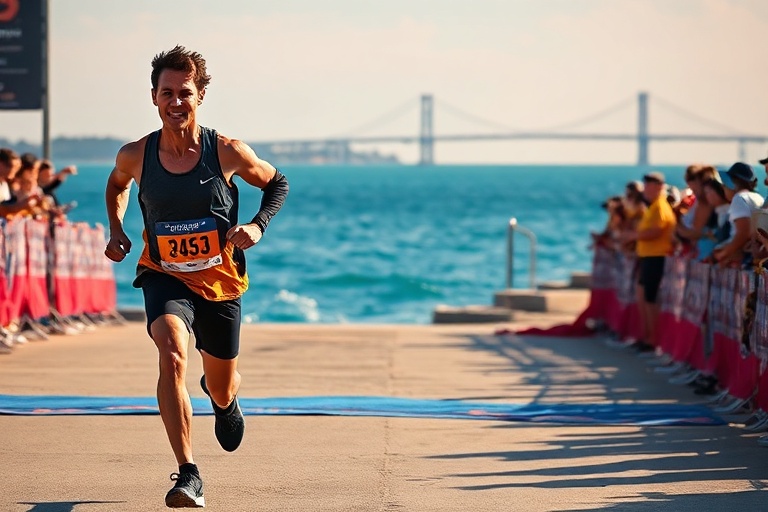
The Bayshore Marathon, held annually in Traverse City, Michigan, has grown from a local race into one of the most respected long-distance running events in the United States. Since its inception in 1998, the marathon has attracted thousands of runners from around the world, drawn not only by its scenic course along the shores of Lake Michigan but also by its reputation for excellent organization and community spirit.
What began as a modest gathering of dedicated runners has evolved into a four-day festival of running, featuring a full marathon, a half marathon, a 10K, and a 5K. The event’s success reflects broader trends in endurance sports, where community, sustainability, and inclusivity have become as important as competition. As marathon culture expands globally, events like the Bayshore Marathon offer a model for how races can balance athletic rigor with local engagement and environmental responsibility.
The Course: A Journey Through Natural Beauty and Human Challenge
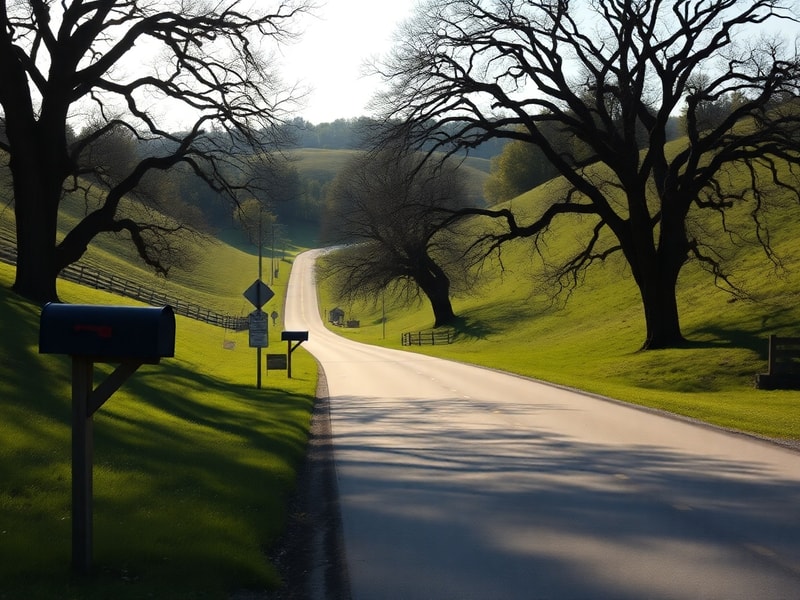
The Bayshore Marathon’s most celebrated feature is its course, which winds through some of northern Michigan’s most breathtaking landscapes. Runners begin in downtown Traverse City before heading north along the Lake Michigan shoreline, passing through vineyards, coastal forests, and charming lakeside towns. The route includes challenging elevation changes, particularly in the final 10 kilometers, where runners face the notorious “Old Mission Hill” before descending toward the finish line.
This blend of natural splendor and athletic challenge is not unique to Michigan. Similar coastal marathons, such as the Big Sur International Marathon in California or the Marathon des Sables in Morocco, also leverage geography to test runners’ endurance. However, the Bayshore Marathon distinguishes itself through its accessibility. While elite runners compete for podium finishes, the event remains welcoming to first-timers, with generous time limits and a strong emphasis on personal achievement over competition.
Key Features of the Bayshore Marathon Course
- Start/Finish: Downtown Traverse City, with a festive pre-race expo in the parking lot of a local high school.
- Scenic Highlights: Views of Lake Michigan, cherry orchards, and the historic lighthouses of Old Mission Peninsula.
- Challenges: The “Old Mission Hill” climb in the final 10K tests even the most seasoned runners.
- Support: Aid stations every 2-3 miles, stocked with locally sourced snacks and electrolyte drinks.
- Post-Race: A celebratory finish festival with live music, local food vendors, and a post-race massage tent.
Cultural Impact: How the Bayshore Marathon Reflects Broader Trends in Running
Marathons have evolved far beyond their origins as elite athletic competitions. Today, they are cultural touchstones that reflect local identity, economic priorities, and even environmental values. The Bayshore Marathon exemplifies this shift, blending athletic tradition with contemporary concerns like sustainability and community building.
One notable trend in modern marathons is the emphasis on “destination racing,” where participants choose events based on the location as much as the competition. The Bayshore Marathon capitalizes on this by partnering with local businesses, wineries, and tourism boards to create a weekend-long experience. Runners often extend their stays to explore Traverse City’s culinary scene, visit nearby Sleeping Bear Dunes National Lakeshore, or enjoy the region’s renowned wine trails.
Another significant development is the rise of “charity bibs,” where runners fundraise for causes close to their hearts. The Bayshore Marathon supports numerous local and national charities, from childhood health initiatives to environmental conservation. This aligns with a global movement where marathons serve as platforms for social good. For example, the London Marathon’s charity program raised over £66 million in 2023, demonstrating how running events can drive meaningful change.
The Global Marathon Scene: Where the Bayshore Stands Out
While the Bayshore Marathon may not have the international fame of events like the Boston or New York City Marathons, it occupies a unique niche in the global running calendar. Its timing—typically in late May—fits neatly between spring and summer races, offering a refreshing alternative to the crowded spring marathon season. Additionally, its smaller scale (around 3,000 participants) fosters a more intimate atmosphere, where elite runners and first-timers share the course without the overwhelming crowds of larger races.
Globally, marathons are becoming increasingly diverse in both their offerings and their participant demographics. Events like the Tokyo Marathon in Japan and the Cape Town Marathon in South Africa highlight the sport’s global reach, each incorporating local cultural elements into their celebrations. The Bayshore Marathon, with its Northern Michigan charm and Midwestern hospitality, fits squarely into this trend. It’s a race that feels both distinctly American and universally appealing.
Moreover, the Bayshore Marathon has embraced technology in ways that resonate with today’s runners. Its use of real-time tracking, social media integration, and a user-friendly mobile app reflects how even smaller races are leveraging digital tools to enhance the experience. This aligns with broader shifts in endurance sports, where data-driven training and virtual communities play an ever-growing role.
Why the Bayshore Marathon Matters Beyond the Race
The Bayshore Marathon is more than just a footrace; it’s a testament to how sports can strengthen communities and drive local economies. In Traverse City, the event injects millions of dollars into the regional economy each year, supporting hotels, restaurants, and small businesses. Local volunteers—often numbering in the hundreds—play a critical role in the race’s success, underscoring the event’s grassroots appeal.
For runners, the Bayshore offers something rare in the marathon world: a sense of belonging. The post-race festival, with its live music and local food, fosters a celebratory atmosphere that lingers long after the final finisher crosses the line. This focus on community is a hallmark of smaller marathons, which often prioritize camaraderie over competition. It’s a model that larger races are increasingly trying to emulate, as evidenced by the growing popularity of “bucket-list” marathons that balance athletic achievement with memorable experiences.
Looking ahead, the Bayshore Marathon is well-positioned to continue its growth. With increasing participation from international runners and a strong commitment to sustainability—including efforts to reduce waste and promote eco-friendly practices—the event is evolving in step with the values of modern runners. As marathons around the world adapt to changing demographics and environmental concerns, the Bayshore stands as an example of how to create an event that is both competitive and inclusive.
A Closer Look: What Runners Say About the Bayshore Marathon
Feedback from participants underscores the race’s unique appeal. Many cite the scenic course as a major draw, while others praise the organization and the warmth of the local community. Here’s what a few runners had to say:
- “The Bayshore Marathon is one of the most beautiful races I’ve ever run. The support from the locals is incredible, and the post-race festival is the perfect way to celebrate.” — Elena, Chicago
- “As a first-time marathoner, I was nervous, but the Bayshore’s friendly atmosphere made it manageable. The volunteers were out in full force, and the aid stations were well-stocked.” — Marcus, Atlanta
- “I loved the mix of natural beauty and challenge. The Old Mission Hill was tough, but the views made it worth every step.” — Aisha, Toronto
Conclusion: The Bayshore Marathon as a Model for the Future
The Bayshore Marathon’s success is a reflection of broader shifts in the world of endurance sports. As marathons become more than just races—transforming into cultural events, economic drivers, and platforms for social good—they must balance tradition with innovation. The Bayshore does this by honoring its roots as a community-focused event while embracing new technologies, sustainability practices, and diverse participation.
For runners, the Bayshore offers an experience that is both challenging and rewarding. For spectators, it’s a celebration of local culture and natural beauty. And for the global running community, it serves as a reminder that the best marathons are those that bring people together—not just to compete, but to connect.
As the marathon landscape continues to evolve, events like the Bayshore will play a crucial role in shaping its future. By staying true to its values while adapting to the needs of modern runners, the Bayshore Marathon proves that great races are about more than just the miles—it’s about the people and the places they represent.