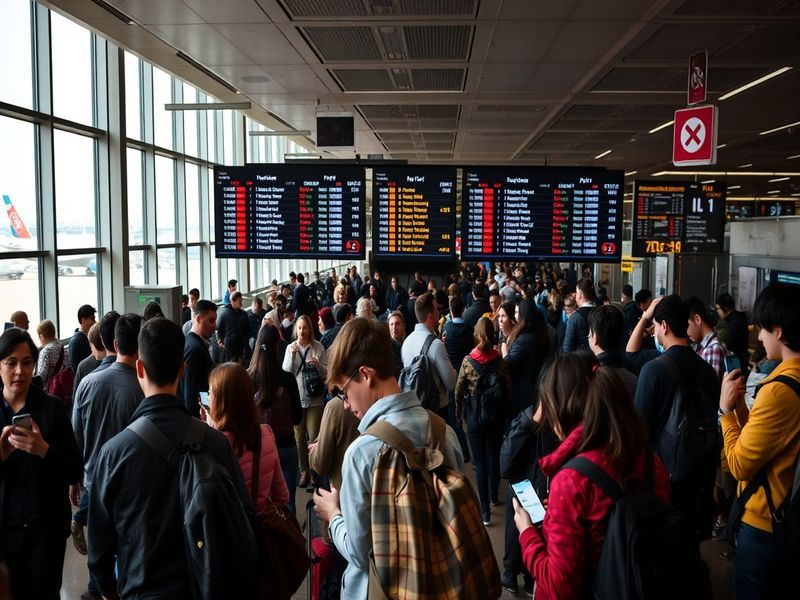
The Importance of Flight Status Updates for Modern Travelers
Understanding Flight Status: What It Means for Travelers
Flight status is a crucial aspect of air travel that affects passengers and airlines alike. It encompasses information about whether a flight is on time, delayed, or canceled. This information can influence travel plans, connecting flights, and even the overall experience of flying. With advancements in technology, obtaining real-time flight status updates has become easier than ever.
The Importance of Real-Time Flight Tracking
In an age where instant communication is the norm, travelers expect timely updates about their flights. Real-time tracking systems provide passengers with information at their fingertips, allowing them to make informed decisions. Here are some key benefits of real-time flight tracking:
- Enhanced Convenience: Passengers can check their flight status from mobile apps or websites, eliminating the need to be physically present at the airport.
- Improved Planning: Knowing about delays or cancellations in advance allows travelers to adjust their itineraries accordingly.
- Reduced Stress: Having access to accurate information helps alleviate anxiety related to travel disruptions.
- Better Communication: Airlines can communicate changes more effectively, keeping passengers informed and engaged.
How Flight Status Information Is Disseminated
Flight status updates originate from various sources, including airline systems, airports, and air traffic control. The integration of these systems ensures that travelers receive accurate and timely information. Here’s how the process works:
- Data Collection: Airlines gather data about their flights, including departure and arrival times, weather conditions, and operational status.
- System Integration: This information is then integrated into various platforms, such as airline websites, mobile apps, and third-party tracking services.
- Real-Time Updates: As changes occur, updates are communicated to passengers through notifications or alerts.
This interconnected system benefits both passengers and airlines. Passengers receive the information they need, while airlines can manage operations more efficiently by anticipating issues and responding quickly.
Broader Implications for the Travel Industry
Flight status updates are not just a matter of convenience; they carry significant implications for the travel industry as a whole. With the rise of budget airlines and increased competition, maintaining a reliable flight schedule is essential for customer satisfaction and loyalty.
A few broader implications include:
- Impact on Customer Loyalty: Travelers are more likely to choose airlines that provide reliable information and timely updates.
- Operational Efficiency: Airlines that effectively manage flight status can streamline their operations, reducing costs associated with delays and cancellations.
- Regulatory Compliance: Airlines must adhere to regulations regarding flight information, making transparency a critical factor in their operations.
Moreover, as travelers become more tech-savvy, the demand for accurate and immediate flight status updates is expected to grow. Airlines that invest in technology to enhance their communication with passengers will likely see a competitive advantage.
Conclusion
Flight status is a vital component of the travel experience, impacting everything from individual travel plans to the broader operational strategies of airlines. As technology continues to advance, the ability to monitor and communicate flight status will only improve, leading to a more efficient travel experience. Understanding how flight status works and its significance can empower travelers to make better decisions, ultimately enhancing their journey.
For more insights on travel and related topics, check out our Travel and Technology categories.