Weekend Aurora Borealis Forecast: Best North American Spots to See the Northern Lights
With solar activity peaking this season, skywatchers across the northern United States and Canada have a rare opportunity to witness the northern lights this weekend. Forecasts from the NOAA Space Weather Prediction Center indicate a strong geomagnetic storm watch from Friday evening through Sunday morning, creating ideal conditions for aurora displays.
Where to See the Aurora This Weekend
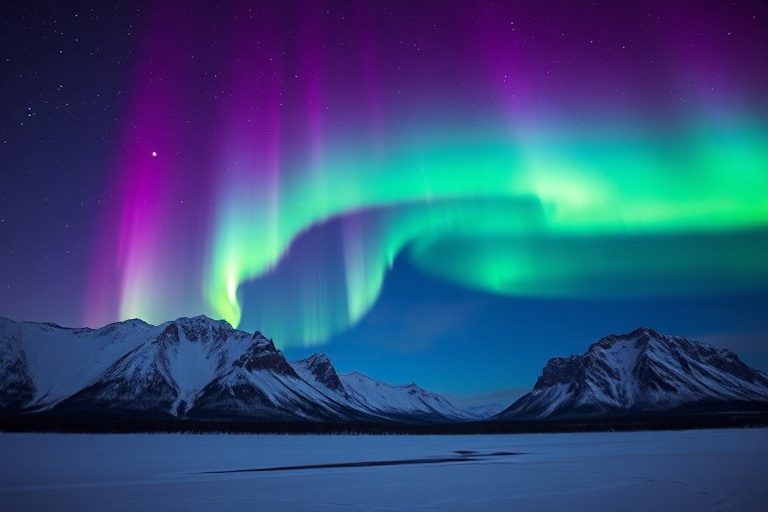
The northern lights are most visible in regions near the Arctic Circle, but strong solar storms can push the auroral oval further south. This weekend’s forecast suggests sightings as far south as the northern tier of U.S. states and into southern Canada. Prime viewing locations include:
- Fairbanks, Alaska: Alaska remains the most reliable spot for consistent aurora activity, with clear skies expected throughout the weekend. The Denali National Park offers unobstructed northern views.
- Yellowknife, Northwest Territories: Known as one of the best aurora destinations in the world, Yellowknife’s remote location and frequent clear skies make it a top choice. Local outfitters offer guided tours with heated teepees for comfort.
- Churchill, Manitoba: Famous for its polar bears, Churchill also provides dramatic aurora displays over the Hudson Bay. The Aurora Domes offer glass-roofed accommodations for uninterrupted viewing.
- Upper Midwest, USA: States like Minnesota, North Dakota, and Michigan may see auroras low on the northern horizon. The Boundary Waters Canoe Area in Minnesota offers remote wilderness settings.
- Newfoundland, Canada: St. John’s and nearby Gros Morne National Park provide coastal aurora views, with the Atlantic Ocean adding to the dramatic scenery.
For real-time updates, the Geophysical Institute at the University of Alaska Fairbanks offers hourly aurora forecasts and webcam feeds from key locations.
Timing and Viewing Conditions
The best time to view the aurora is typically between 10 p.m. and 2 a.m. local time, when geomagnetic activity peaks. However, this weekend’s forecast suggests that displays could begin as early as dusk and continue through dawn, especially during the strongest solar flares.
Weather plays a critical role in visibility. Clear or partly cloudy skies are essential, so check local forecasts for cloud cover predictions. In Alaska and northern Canada, temperatures can drop below freezing, so dress in layers and bring hand warmers. Mobile apps like My Aurora Forecast provide hourly cloud cover and aurora strength updates.
Photography Tips for Capturing the Lights
Photographing the aurora requires patience and the right equipment. A DSLR or mirrorless camera with manual settings is ideal, along with a wide-angle lens (f/2.8 or faster) and a sturdy tripod. Key settings include:
- ISO: 1600–3200 (higher ISO for weaker displays)
- Aperture: Wide open (f/2.8 or lower)
- Shutter Speed: 10–20 seconds (use a remote shutter to avoid shake)
- Focus: Manual focus set to infinity (or use live view to fine-tune)
Practice beforehand to adjust settings quickly in the cold. Bring extra batteries, as cold drains them faster, and use a headlamp with a red light setting to preserve night vision.
Safety and Ethical Viewing Practices
While aurora chasing is thrilling, it’s important to prioritize safety and respect for local communities and environments. In remote areas, always inform someone of your plans and carry emergency supplies, including a charged satellite phone if venturing far from cell service.
In national parks and protected areas, follow Leave No Trace principles. Avoid trampling delicate vegetation or disturbing wildlife, especially in regions like Denali or Gros Morne, where ecosystems are fragile. If using a tour guide, choose operators certified by organizations like Adventure Canada or National Geographic Expeditions, which prioritize sustainability.
Light Pollution and Urban Considerations
Urban areas with significant light pollution may obscure faint auroras, but strong displays can still be visible from darker suburban edges. In cities like Edmonton or Anchorage, head to parks or elevated areas like hilltops for better views. Apps like Light Pollution Map help identify darker skies within driving distance.
Why This Weekend’s Storm Is Special
This weekend’s geomagnetic storm is part of the current solar cycle, which is approaching its peak in 2024–2025. Solar maximum periods bring more frequent and intense auroras, as well as a higher likelihood of displays reaching lower latitudes. The NOAA’s Planetary K-index (Kp) measures geomagnetic activity on a scale of 0 to 9. A Kp of 5 or higher indicates a geomagnetic storm, while a Kp of 7 or above suggests strong auroras visible at mid-latitudes.
Historically, solar maximums have produced legendary aurora events. In October 2003, auroras were visible as far south as Texas and Florida during the Halloween solar storms. While this weekend’s storm is not expected to be that extreme, it offers a taste of what’s possible during the current cycle.
Connecting with the Science Behind the Lights
The aurora borealis, or northern lights, occur when charged particles from the sun collide with Earth’s magnetic field and atmosphere. These particles excite oxygen and nitrogen molecules, which release energy as colorful light. Oxygen produces green and red hues, while nitrogen contributes blue and purple tones. The colors and intensity depend on the altitude and type of gas involved.
For those interested in learning more, the NASA Science website offers detailed explanations of solar activity and aurora formation. Citizen science projects like Aurorasaurus allow enthusiasts to report sightings and contribute to research.
Final Thoughts: Don’t Miss the Show
This weekend’s aurora forecast presents a rare opportunity for both seasoned aurora chasers and first-time viewers. Whether you’re traveling to a remote wilderness lodge or stepping outside your back door in the northern U.S., keep an eye on the sky. The unpredictability of auroras is part of their magic—sometimes the best displays happen when forecasts are modest.
For those unable to travel, livestreams from aurora webcams in places like Yellowknife or Fairbanks offer a virtual experience. Websites like Explore.org provide 24/7 aurora feeds from multiple locations.
As solar activity continues to intensify, the coming months promise even more opportunities to witness the northern lights. Bookmark the NOAA’s space weather alerts, follow local aurora groups on social media, and set a reminder to look up. The sky is putting on a show—all you need to do is watch.